Guanyin Chan Temple
Address
502乡道与建设道交叉口东南140米
Description
Guanyin Chan Temple
📍 Address: 140 meters southeast of the intersection of 502 County Road and Jian She Road, Huiji District, Zhengzhou City, Henan Province
🏯 Historical Development
Guanyin Chan Temple was originally established during the Taihe period of the Northern Wei Dynasty (AD 477), making it over 1,500 years old and one of the oldest surviving Buddhist temples in Central China. Initially named "Ciyun Temple," it was later renamed after enshrining the Bodhisattva Guanyin. The temple flourished during the Sui and Tang dynasties, declined in the Song and Yuan periods, and underwent significant restoration in the Ming and Qing dynasties. A major reconstruction under Emperor Guangxu of the Qing Dynasty marked a pivotal moment in its history. For centuries, it served as an important transmission center for the Linji school of Chan Buddhism in Central China and has long been acclaimed as the "Foremost Chan Grove in Northern Henan."
🛕 Architectural Layout and Cultural Relics
The temple faces south, built into the mountainside with a symmetrical central axis layout. Key extant structures include:
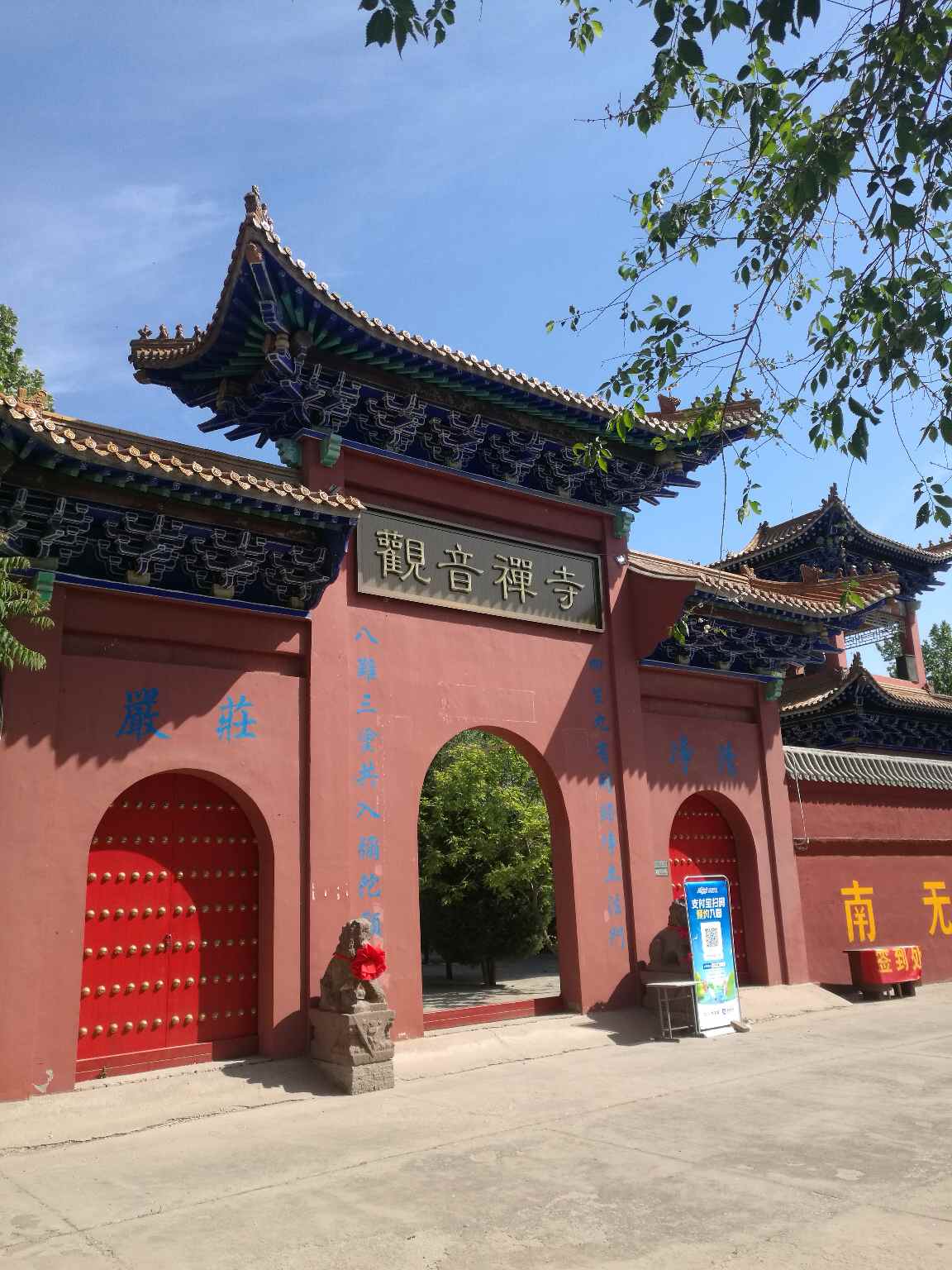
- Mountain Gate Hall: In Ming Dynasty style, featuring carved stone door frames; the plaque inscribed “Guanyin Chan Temple” was written by a renowned Qing Dynasty calligrapher;
- Hall of the Four Heavenly Kings: Houses colorful clay sculptures of the Four Heavenly Kings; well-preserved murals depict themes from the Buddha’s Life Story Collection Sutra;
- Mahavira Hall: A single-eaved hip roof with a typical Qing imperial timber framework; the main statue is a triad of Buddha forms, flanked by eighteen Arhats—original works of high artistic value;
- Sutra Pavilion: A Ming Dynasty wooden pavilion housing a facsimile edition of the Taishō Shinshū Daizōkyō and several hand-copied scriptures from the Ming and Qing dynasties;
- Ancient Well and Stone Steles: An ancient well from the Northern Wei Dynasty remains within the courtyard, its walls inscribed with the words “Year Seven of Great Wei Taihe.” To the west stands the Qing Dynasty stele dated to the 23rd year of Qianlong, recording the temple’s renovation—this document is a crucial physical source for studying local Buddhist history.
🌿 Cultural Significance
Guanyin Chan Temple stands as a living testament to the continuity of Central Chinese Buddhist culture. Its architectural style, religious rituals, and inscribed records reflect the evolution of Han Chinese Buddhism through localization and adaptation. The temple regularly hosts chanting ceremonies and meditation retreats, serving as a vital hub for religious and cultural exchange in the Zhengzhou region.
📅 Visitor Information
- Opening Hours: 6:30 AM – 6:00 PM daily (open throughout holidays)
- Admission: Free entry (donations for incense are voluntary)
- Transportation: Take Metro Line 3 to “Henan Provincial Sports Center Station,” transfer to Bus Line 292, and get off at “Guanyin Chan Temple Stop,” then walk approximately 200 meters
- Recommended Visit Duration: 1.5 to 2 hours
- Visitor Guidelines: Please dress modestly, refrain from loud talking inside halls, and do not photograph or film within the main hall
✨ Visitor Tip: Large-scale religious ceremonies are held on the 19th day of the second, sixth, and ninth lunar months—celebrating the Bodhisattva Guanyin’s birthday, enlightenment, and monastic ordination respectively. These events attract countless pilgrims and offer the perfect opportunity to experience the temple’s enduring spiritual atmosphere.