Bai Guang Temple
Address
固安镇新源街路
Description
Bai Guang Temple 🏯
📍 Location: Xinyuan Street, Gua'an Town, Gu'an County, Langfang City, Hebei Province
📅 Construction Period: Originally built during the Northern Song Dynasty; surviving structures mainly date from the Ming and Qing dynasties
🏛️ Status: County-level Cultural Relics Protection Unit (designated in 2013)
I. Historical Development
Bai Guang Temple was originally known as "Bai Guang An," first constructed during the Dazhong Xiangfu era of the Northern Song Dynasty (1008–1016), named after its proximity to the village of Bai Guang. It was rebuilt during the Jiajing period of the Ming Dynasty and expanded in the Qianlong era of the Qing Dynasty, serving as an important Chan Buddhist monastery in southern Beijing region. The temple has suffered multiple destructions due to wars and natural disasters throughout history. The extant buildings are largely reconstructions from the late Qing to early Republican periods, preserving a typical northern Chinese temple layout.
II. Architectural Layout and Features
The temple faces south with a central axis layout. Key surviving structures include:
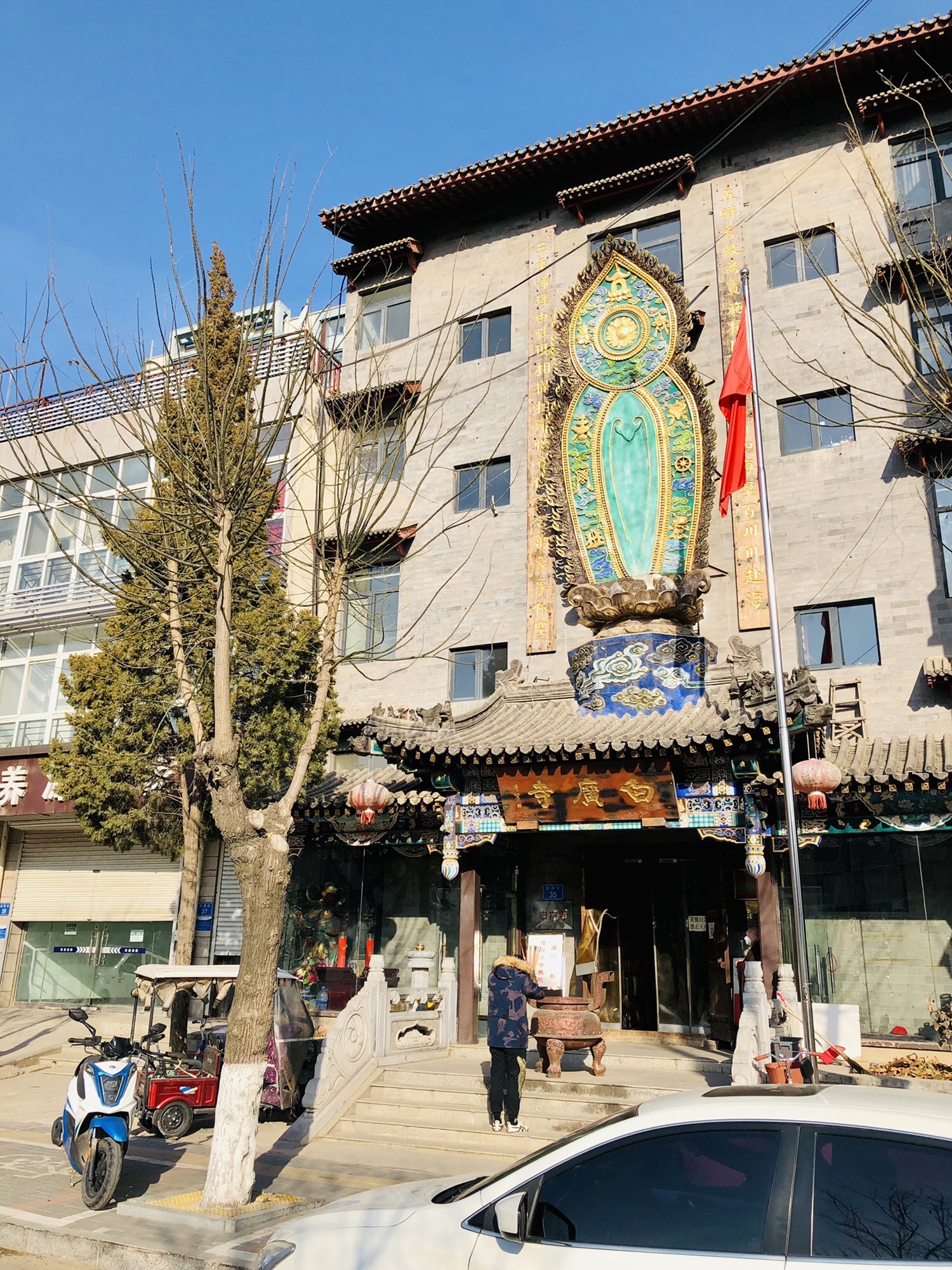
- Mountain Gate Hall: A single-eaved hip roof with brick-and-wood construction; the lintel bears the inscription "Bai Guang Temple" in bold, powerful calligraphy.
- Hall of the Four Heavenly Kings: Features stone lotus pedestals beneath the front eaves; houses statues of the Four Heavenly Kings, with fragments of colored murals still visible inside.
- Mahavira Hall: The main hall, three bays wide, with a palatial roof covered in glazed tiles. Originally housed statues of Sakyamuni Buddha and the Eighteen Arhats—now damaged or lost.
- Bell and Drum Towers: Positioned opposite each other, symmetrically arranged; the bell tower contains a cast-iron bell from the Qing Dynasty, inscribed with legible text.
III. Cultural and Historical Significance
- Two Qing Dynasty steles stand before the halls, recording renovation histories and donor lists—valuable sources for historical research.
- Three ancient cypress trees within the temple grounds, over a century old, exhibit twisted trunks and branches, symbolizing enduring resilience through centuries of change.
- As one of the few relatively well-preserved folk Buddhist temples in southern Beijing area, it serves as a crucial physical example for studying the spread of Buddhism in North China and local religious traditions.
IV. Visitor Information
- Opening Hours: Daily 8:00–17:30 (open on holidays)
- Admission: Free entry (donations for incense are voluntary)
- Transportation Tips: Take a bus from Langfang to Gu'an, alight at "Gu'an County Government Station," then walk approximately 500 meters to reach the temple
- Visiting Guidelines: The temple grounds are serene and tranquil—please dress respectfully. Climbing or touching historic structures is strictly prohibited. Show reverence for this sacred site.
⚠️ Reminder: The temple remains an active place of worship. Please remain quiet and avoid loud noises during your visit.
Bai Guang Temple, a thousand-year-old sanctuary hidden amidst urban life, silently echoes with the whispers of history.