Fangcheng Dao Academy
Address
古方城民间博物馆(106国道西)
Description
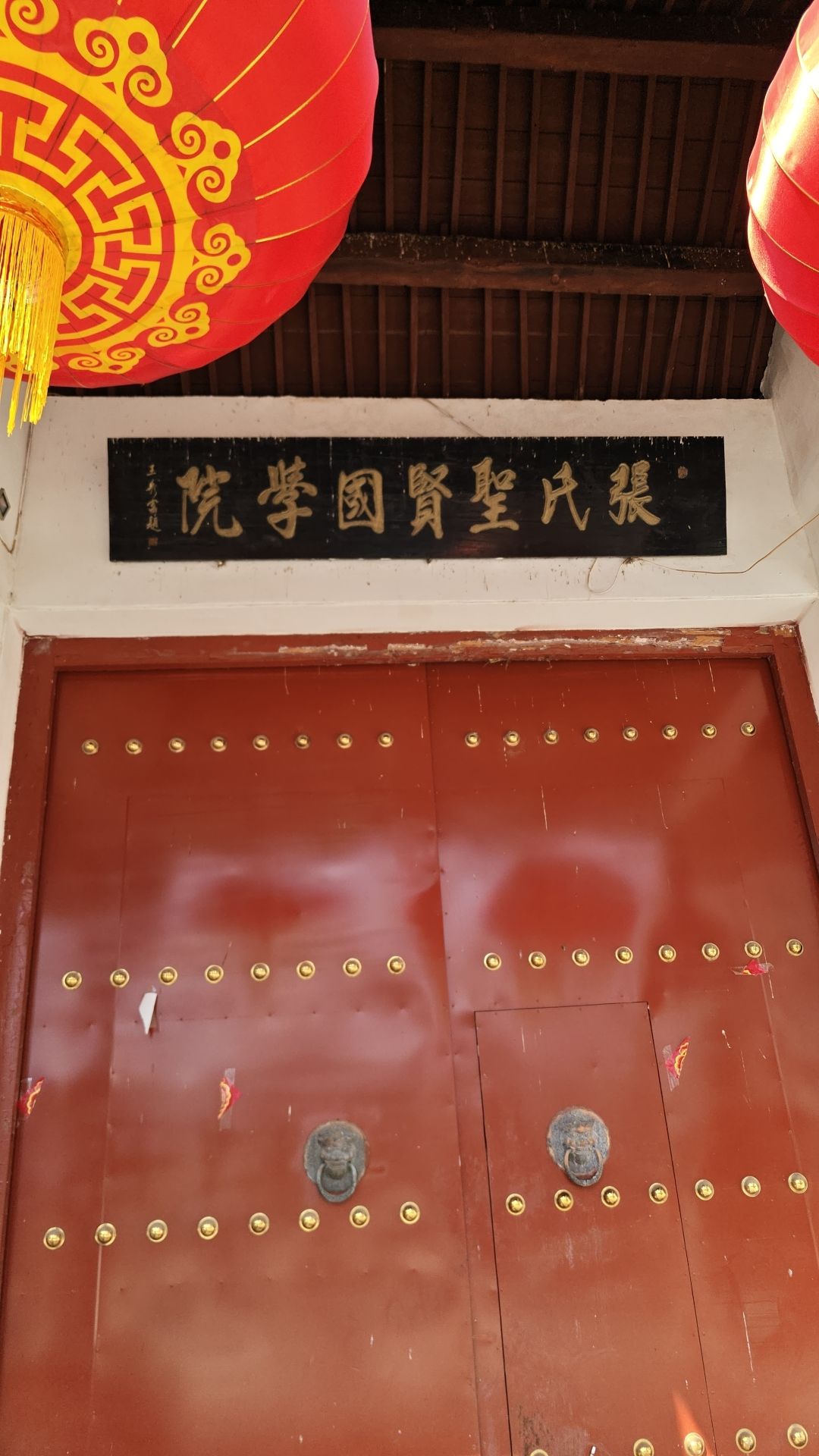
Fangcheng Dao Academy
📍 Address: Gu Fangcheng Folk Museum (West side of National Highway 106)
🏛️ Historical Background
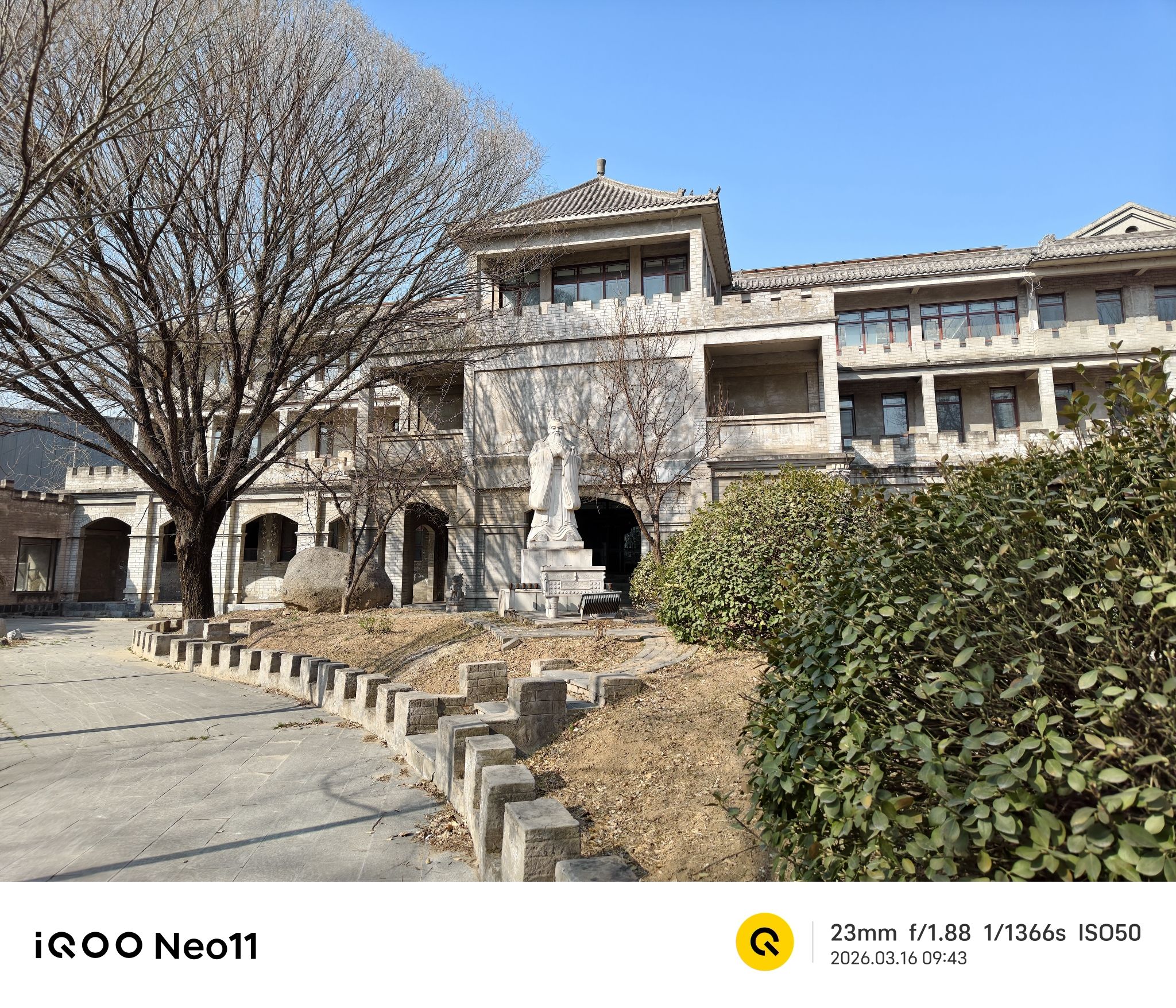
Fangcheng Dao Academy was originally a site for Taoist activities during the Ming Dynasty, founded in the 12th year of Emperor Chenghua’s reign (1473 AD). It is one of the better-preserved Ming and Qing dynasty Taoist architectural complexes remaining in southern Henan Province. The complex was renovated during the Qianlong era of the Qing Dynasty and has withstood centuries of change, witnessing the evolution of local religious culture and folk beliefs. In the mid-20th century, it fell into disrepair but was later rescued and preserved by cultural heritage authorities, reopening in 2015 under the name "Gu Fangcheng Folk Museum."
🪨 Architectural Features
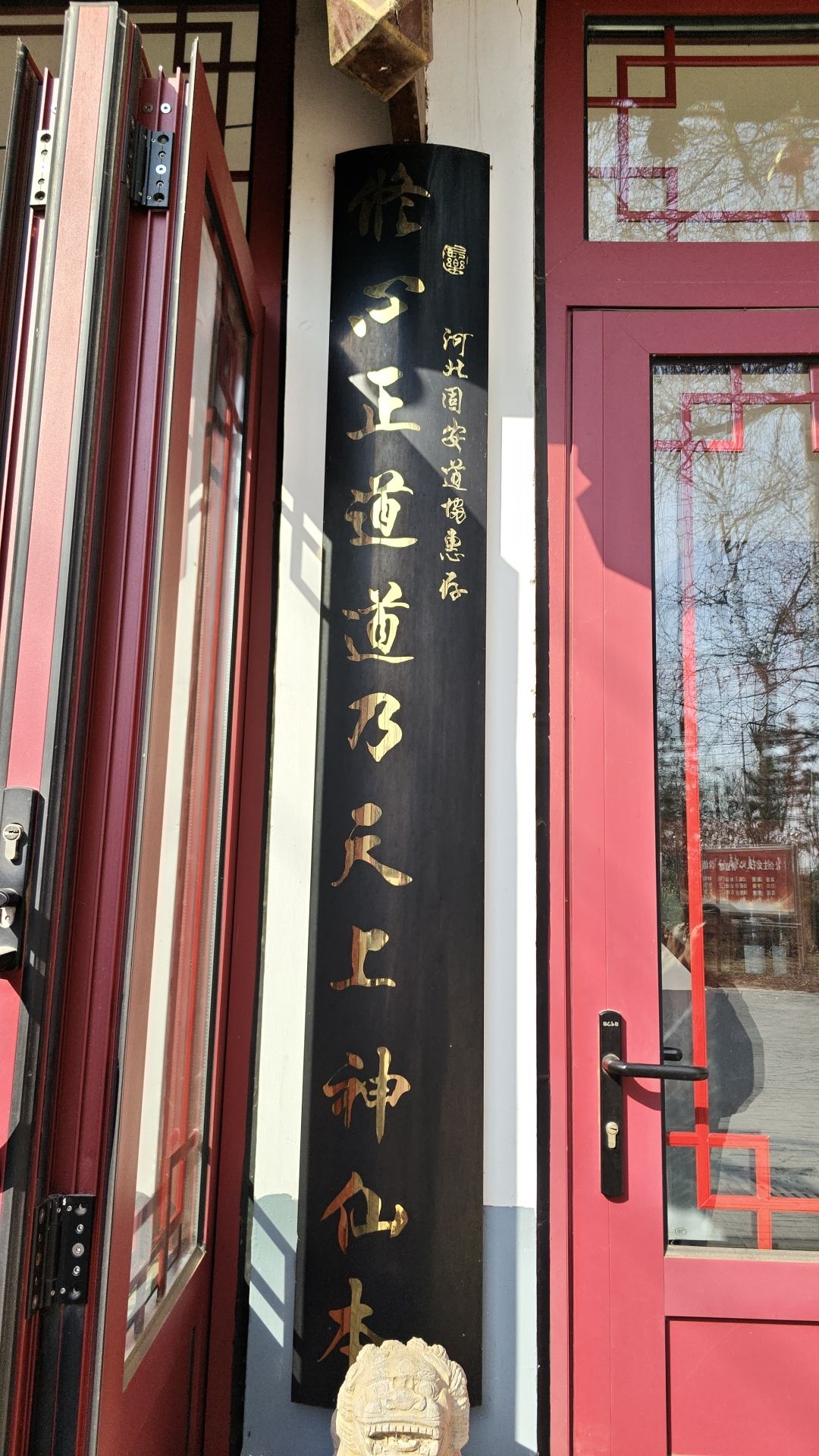
The academy faces south, built against the hillside, with a rigorous layout reflecting the traditional fengshui concept of harmony between heaven and humanity. Main structures include the main gate, Yu Huang Hall, Sanqing Hall, bell and drum towers, and east-west auxiliary halls—all constructed with brick and wood, featuring hip roofs adorned with carved beams, painted decorations, and faded murals. Notably, the stone-carved mythical beasts before the Sanqing Hall and the mural “Eight Immortals Crossing the Sea” inside the hall remain remarkably well-preserved, holding significant artistic and historical value.
🏺 Cultural Relics
More than ten steles are currently preserved within the compound, including the "Record of the Restoration of the Academy" stele erected in the 16th year of Jiaqing’s reign (1811), documenting the academy’s rise and fall as well as contributions from local gentry. The museum houses over a hundred artifacts from the Ming and Qing dynasties, including bronze mirrors, incense burners, Taoist robes, and scriptures—some classified as national third-grade or higher cultural relics—offering insight into Taoist rituals, attire, and daily customs.
📜 Cultural Significance
Fangcheng Dao Academy serves as a crucial physical testament to the spread of Taoism in central China, folk beliefs, and the interplay between religion and local society. Its architectural style, religious symbols, and traditional folk activities—such as the temple fair held on the ninth day of the ninth lunar month—have been preserved to this day, embodying profound intangible cultural heritage.
🎟️ Visitor Information
- Opening Hours: 8:30–17:00, Tuesday through Sunday (closed Mondays)
- Admission: Free (requires real-name reservation)
- Transportation: Take a bus along National Highway 106 and get off at "Gu Fangcheng Station," then walk about 500 meters
- Tips: Please keep quiet and refrain from smoking or open flames inside; we recommend bringing a camera to capture the intricate details of the ancient architecture.
🌿 A thread of incense carries ancient elegance; half the courtyard's pine shadows reflect timeless history. Fangcheng Dao Academy awaits kindred spirits for a rendezvous across a thousand years.