Lashan Ruins
Address
腊山内(西南角)
Description
🏯 Lashan Ruins
📍 Location: Southwest corner of Lashan Nature Reserve, Tai'an City, Shandong Province
📅 Historical Period: Neolithic to Shang and Zhou dynasties (circa 3000 BCE – 1046 BCE)
🔍 Archaeological Significance: National Key Cultural Relics Protection Unit; a major prehistoric settlement site in central Shandong
🌍 Historical Development
Nestled within the foothills of Mount Tai, the Lashan Ruins are one of the better-preserved prehistoric cultural sites in Shandong Province. Archaeological excavations reveal that the site was continuously inhabited for nearly two millennia, spanning the late Dawenkou Culture, early to middle Longshan Culture, and Yueshi Culture periods. It provides crucial physical evidence for studying the social structure, agricultural development, and early religious beliefs of prehistoric societies along the lower Yellow River.
🏛️ Site Layout and Architectural Remains
The site covers an irregular rectangular area of approximately 12,000 square meters, with key remains including:
- Ash Pits Cluster: Dozens of circular or oval pits containing pottery shards, bone tools, and carbonized grains, reflecting the level of local agricultural production;
- Foundation Remains of Houses: Multiple semi-subterranean house foundations discovered, featuring clearly defined rammed earth walls, some of which were fire-hardened, indicating early construction techniques;
- Ritual Pit: A deep pit with ceremonial function, yielding ritual objects such as jade axes and clay tripods, suggesting the presence of primitive religious practices.
🪨 Significant Artifacts and Cultural Value
Over a thousand artifacts have been unearthed, including representative items such as:
- Black Pottery Gui (a hallmark artifact of the Longshan Culture), exquisitely crafted with well-defined patterns;
- Ground Stone Axes and Knives, demonstrating advanced use of farming tools;
- Painted Pottery Fragments adorned with geometric motifs and solar symbols, displaying strong totemic characteristics.
✅ Cultural Significance: The Lashan Ruins serve as vital physical evidence of the transition from Dawenkou to Longshan cultures, revealing regional characteristics within the diverse origins of Chinese civilization, earning it the title “living fossil of Qilu culture.”
🚶♂️ Visitor Information
- 🕒 Opening Hours: Open year-round (8:00–17:30), closed on Mondays (except public holidays)
- 🎫 Admission: Free (entry requires ID registration)
- 🚗 Transportation: Take a bus from downtown Tai’an to "Lashan Scenic Area Station," then walk about 15 minutes to reach the site
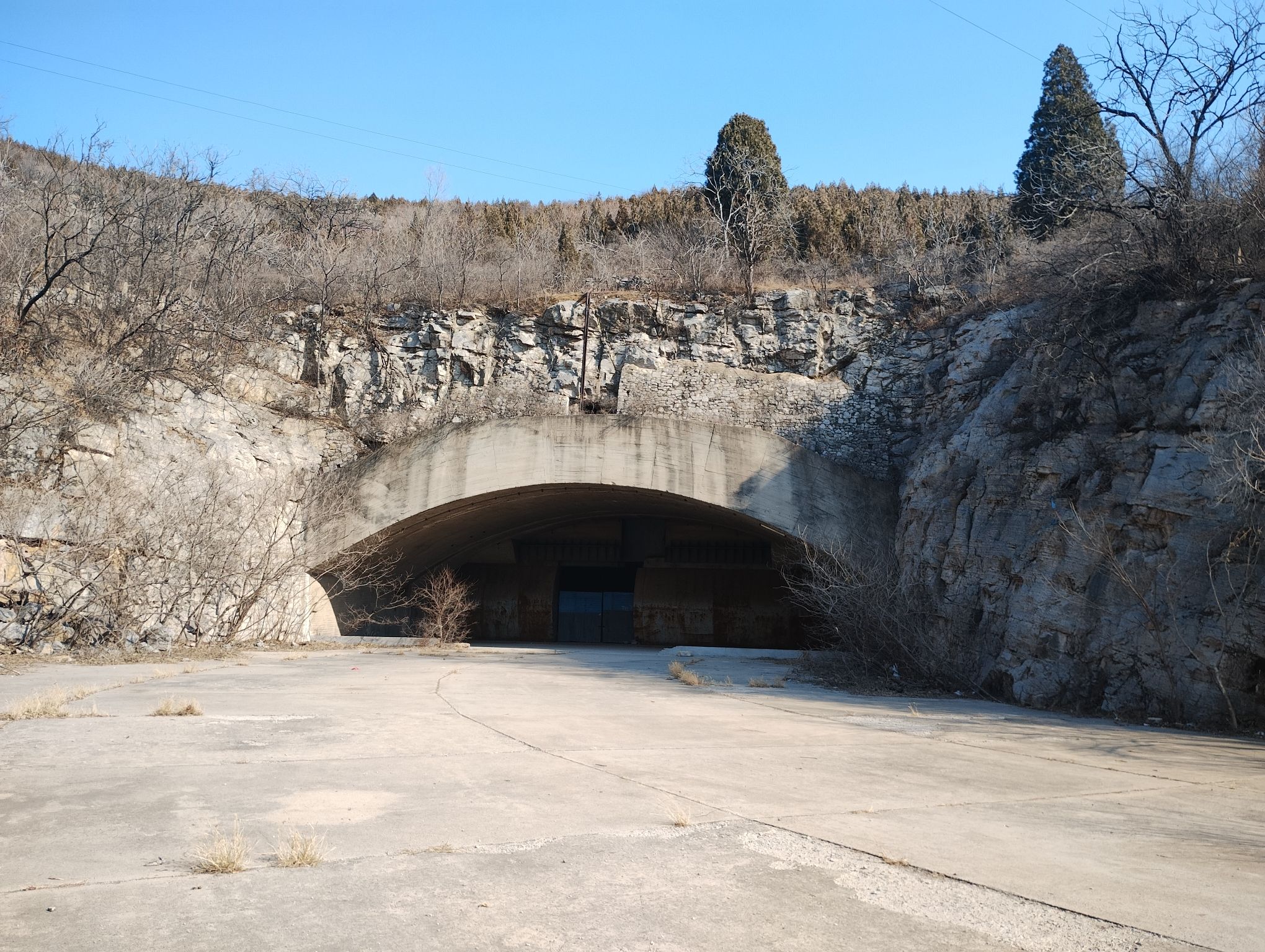
- 📌 Tips: The site is located in a forested mountain area—wear non-slip footwear. Picking plants or climbing ancient structures is strictly prohibited within the protected zone
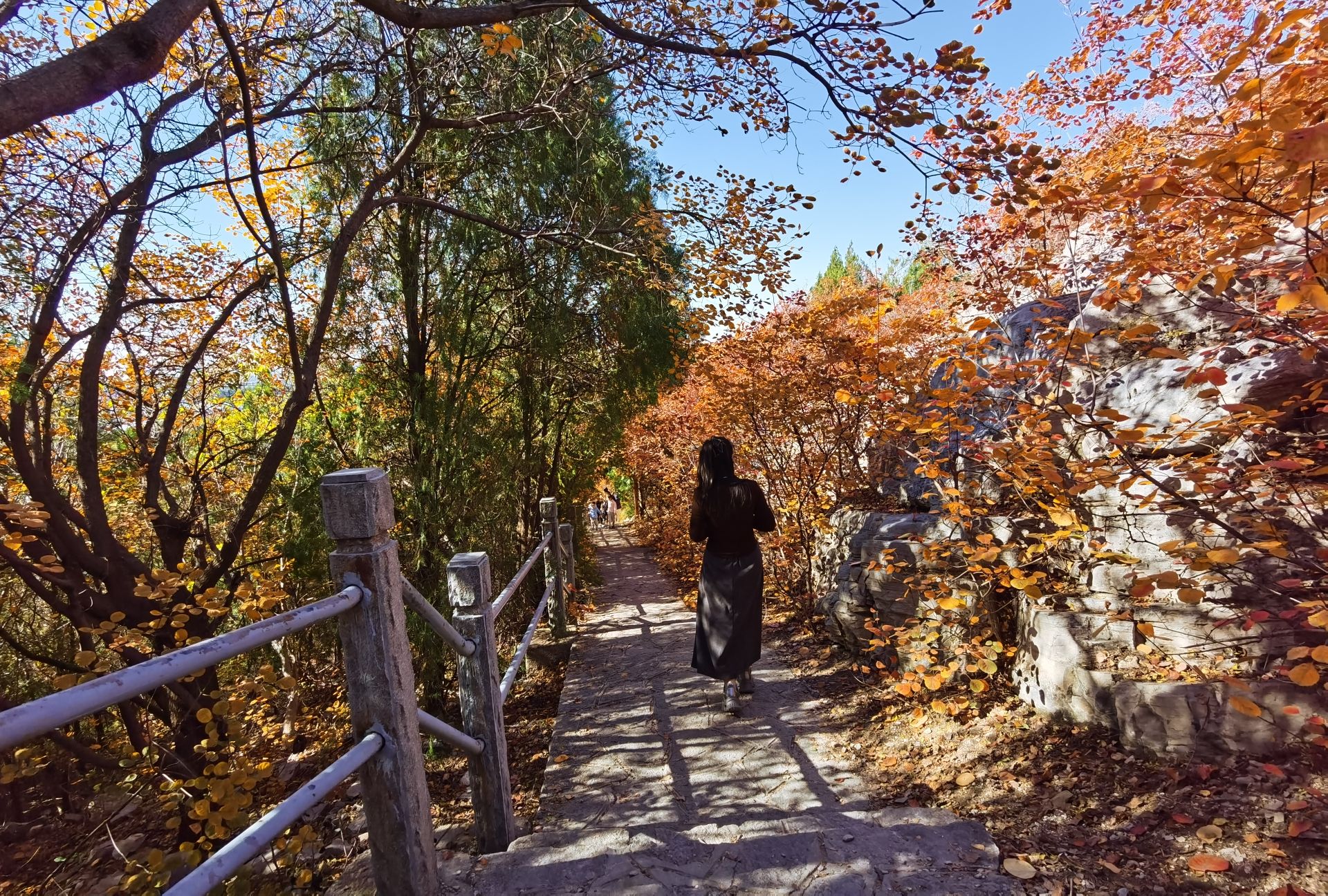
🌿 Visitor Tip: The surrounding area features dense vegetation; spring offers views of wild cherry blossoms, while autumn paints the hills in vibrant hues—perfect for exploring the harmonious blend of human heritage and natural beauty.