Five Saints Shrine
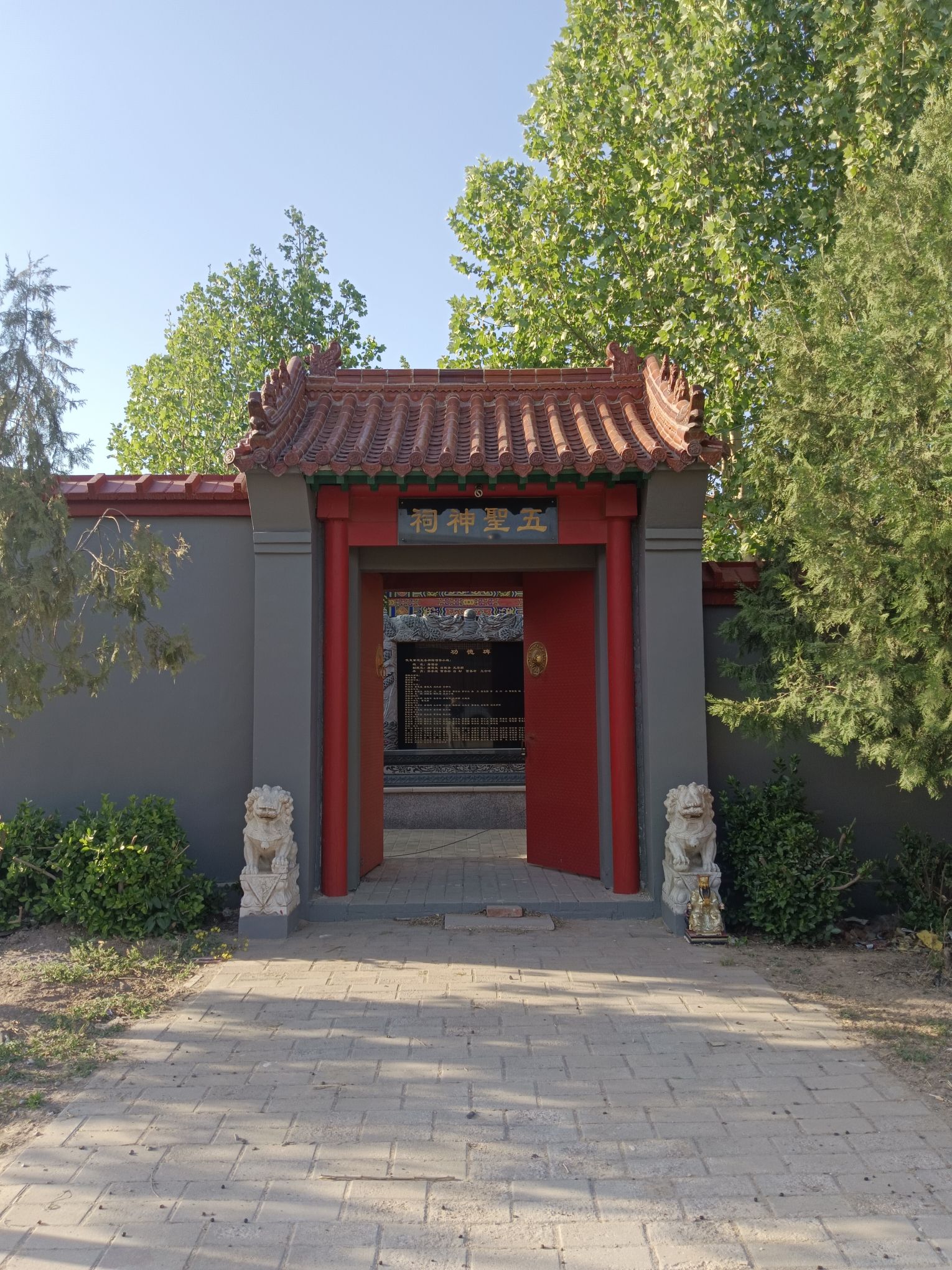
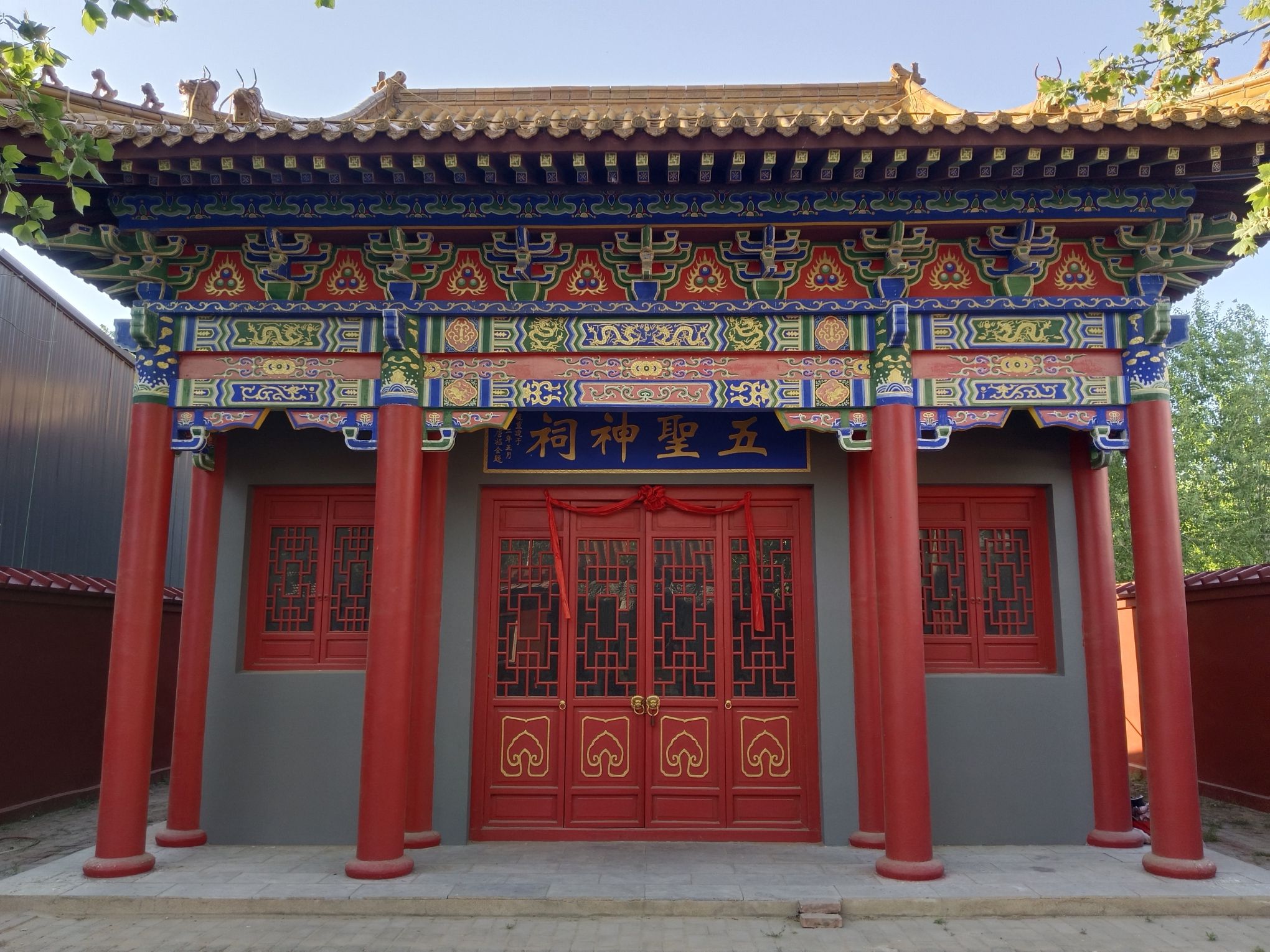
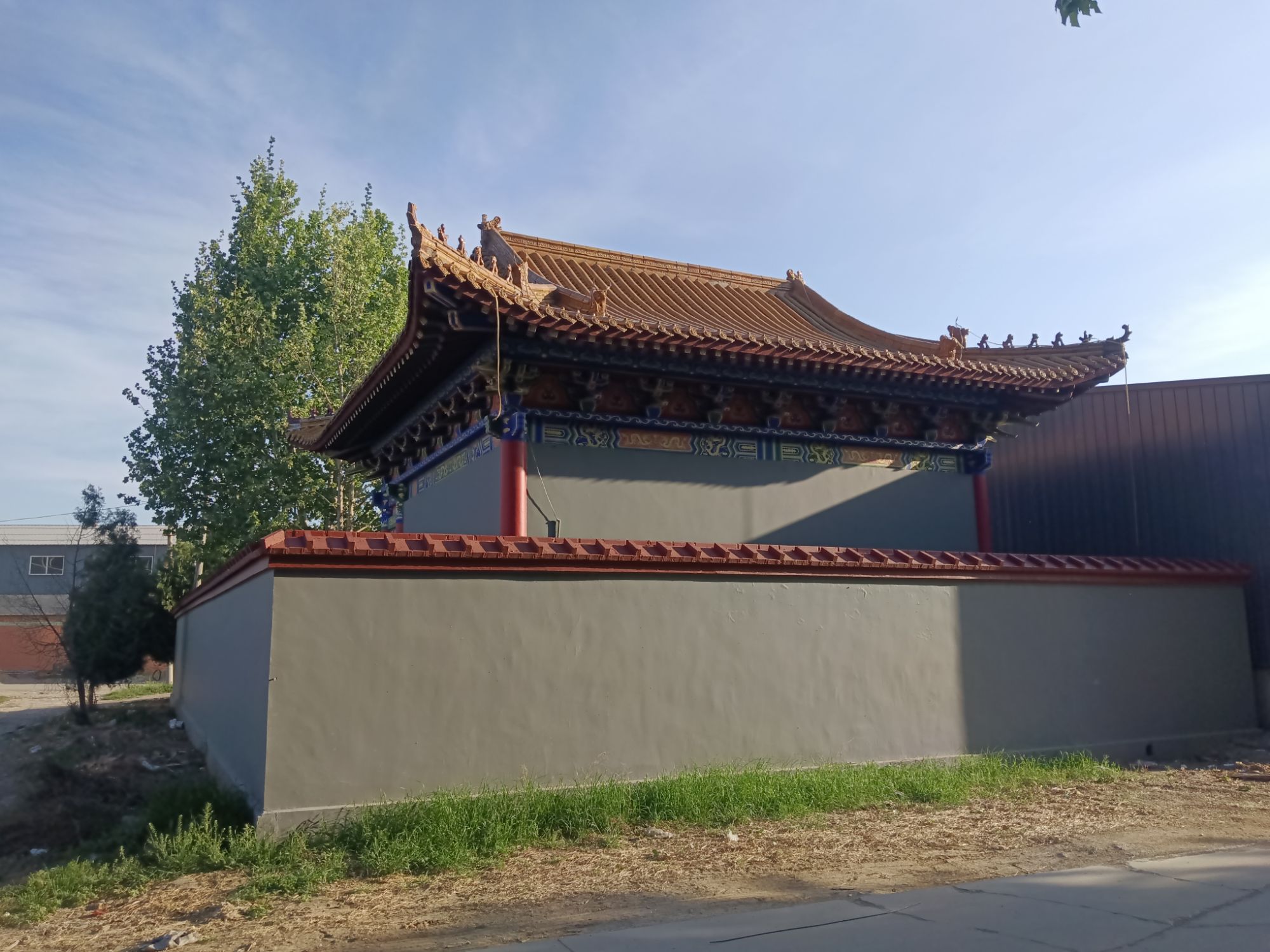
Address
中心路2号
Description
Five Saints Shrine
📍 Address: No. 2 Central Road
🏛️ Category: Historical and Cultural Ancient Architecture / Folk Religious Temple
Historical Origins
The Five Saints Shrine was originally constructed during the Jiajing period of the Ming Dynasty (1522), making it nearly 500 years old. Built by local villagers to pray for favorable weather, bountiful harvests, and prosperity, the shrine venerates the "Five Saints"—five revered folk heroes honored as regional guardian deities: the Civil Saint, the Martial Saint, the Agricultural Saint, the Medical Saint, and the Commercial Saint. Its belief system integrates elements from Confucianism, Taoism, and Buddhism, representing a significant example of folk religion in southern China during the Ming and Qing dynasties.
Architectural Features
The temple faces south with its main structure aligned along a central axis, preserving the core architectural layout from a Qing Dynasty renovation. The entire complex employs a traditional tai-liang wooden framework, featuring glazed tiles and blue bricks, with upturned eaves and ornate carvings. The main hall spans three bays in width and two in depth, with a curved-roof corridor in front, beneath which hangs a plaque inscribed “Blessing All Living Beings.” The east and west auxiliary halls enshrine deities associated with the four seasons; their door lintels bear carved characters reading “Loyalty, Filial Piety, Benevolence, and Righteousness,” clearly reflecting Confucian ethical values.
Cultural Relics and Remnants
- Inscription Stone from the Tenth Year of Guangxu (1884): Located before the main hall, this stele records the history of the temple’s reconstruction. The calligraphy is bold and powerful, holding considerable historical significance.
- Residual Painted Murals: Fragments of Qing Dynasty murals remain on the rear wall of the main hall, depicting scenes of the “Five Saints Touring the Region.” Despite weathering over time, intricate details of costumes and patterns are still discernible.
- Pair of Bronze Incense Burners: Placed before the hall, cast during the Qianlong era, these burners bear the inscription “Eternal Guardian of Mountains and Rivers.” Craftsmanship is exquisite, and they are listed as provincial cultural relics.
Cultural Significance
The Five Saints Shrine serves as a vital physical testament for studying folk beliefs, clan organizations, and local social structures in southern China since the Ming and Qing dynasties. The concept of “unifying the Five Saints” reflects traditional society’s reverence for diverse virtues and demonstrates a unique function of cultural integration. Designated a Municipal-Level Cultural Heritage Site in 2013.
Visitor Information
- 🕰️ Opening Hours: 8:00–17:30 daily (open year-round, including holidays)
- 🎫 Admission: Free entry (requires real-name registration)
- 🚶♂️ Recommended Visit Duration: Approximately 45 minutes; recommended to explore alongside nearby historic streets and cultural districts
- 📌 Transportation: Located just 200 meters on foot from the “Central Road Intersection” bus stop in the city center
✨ Tip: On the second day of the second lunar month—the anniversary of the Five Saints’ birth—the shrine hosts traditional sacrificial ceremonies, offering visitors an opportunity to experience intangible cultural heritage customs.