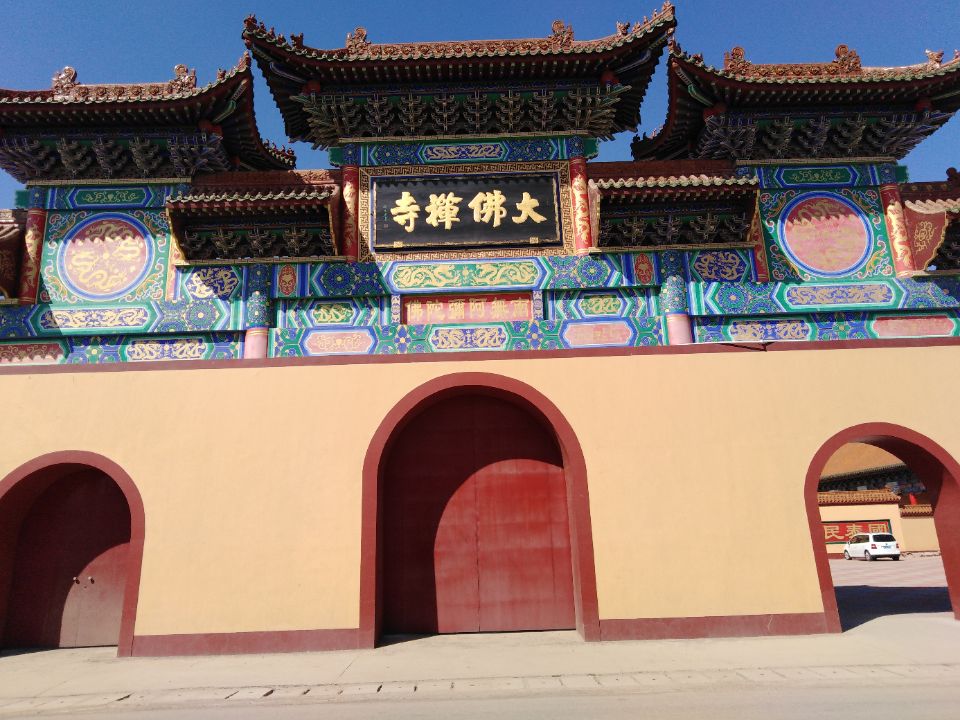
Dafó Chan Temple (Temporarily Closed)
Address
佛缘道
Description
Dafó Chan Temple (Temporarily Closed)
📍 Address: Foyuan Road, a certain city in a certain province, China
📅 Status: Temporarily closed to the public due to comprehensive renovation and cultural heritage preservation. The reopening date will be announced separately.
🏯 Historical Origins
Dafó Chan Temple was originally established during the Northern and Southern Dynasties period (5th century CE), with a history spanning over 1,500 years. It stands as one of the earliest Buddhist sites in southern China, playing a pivotal role in the early spread of Buddhism in the region. According to the Local Gazetteer, it was initially known as "Lingyin Jing She," later renamed "Dafó Chan Temple" after a massive stone Buddha was carved directly into the cliffside. The temple has undergone multiple cycles of destruction and reconstruction throughout history. It was rebuilt during the Wanli era of the Ming Dynasty and expanded under Emperor Qianlong of the Qing Dynasty, eventually forming a three-part layout of "front hall, central hall, and rear pagoda"—a key ancestral seat of the Linji school of Zen Buddhism in eastern Zhejiang.
🏛️ Architecture and Cultural Relics
- Main Hall: Five bays wide with a hip roof structure; its timber framework employs the Song Dynasty's raised-beam system, featuring exquisite wood carvings and well-preserved Ming Dynasty polychrome paintings.
- Rock-cut Giant Buddha: Carved directly into the mountainside, standing approximately 12 meters tall, seated in solemn dignity with round facial features and flowing drapery lines. This quintessential Sui-Tang style stone sculpture is inscribed on a natural rock face and designated as a national key cultural relic protection site.
- Ancient Bell Tower: Houses a Ming Dynasty bronze bell inscribed with the words “Cast in the Tenth Year of Yongle, to pacify the mountain and protect the temple.” Its deep, resonant tone remains audible to this day.
- Stone Stele Grove: Contains over twenty steles dating from the Tang to Qing dynasties. Among them, the Record of the Great Buddha stele, inscribed by renowned calligrapher Li Yong, is particularly precious and hailed as the “Number One Stele of Southern China.”
🌿 Cultural Significance
Beyond serving as a place of religious practice, Dafó Chan Temple is a living testament to Chinese Buddhist art and the integration of Confucianism, Daoism, and Buddhism. Its architectural layout embodies the philosophical concept of “harmony between heaven and humanity,” while the stone Buddha sculptures reflect the trend of Buddhist secularization during the Sui and Tang periods. The temple’s extensive manuscript collections preserve numerous Zen Buddhist teachings and local religious records, making it of exceptional historical, artistic, and religious research value.
🚶 Tourist Information (Pending Reopening)
- ✅ Recommended Highlights: Panoramic view of the rock-cut giant Buddha, ancient bell tower, stele grove, and Zen hall murals
- ⚠️ Advisory Note: Currently closed to visitors. Please follow the official WeChat account for updates on reopening
- 📞 Inquiry Hotline: 057×-××××××× (Please refer to the official website for accurate information)
- 🕊️ Visitor Recommendation: During non-opening periods, experience the temple virtually through our online digital exhibition
🌸 May a ray of Buddha’s light await our joyful reunion.