Shuangquan Chan Temple
Address
巴花线双泉寺附近
Description
Shuangquan Chan Temple
📍 Address: Near Shuangquan Temple, Bahuaxian Road, Puhu County, Chengdu City, Sichuan Province
⛩️ Historical Development:
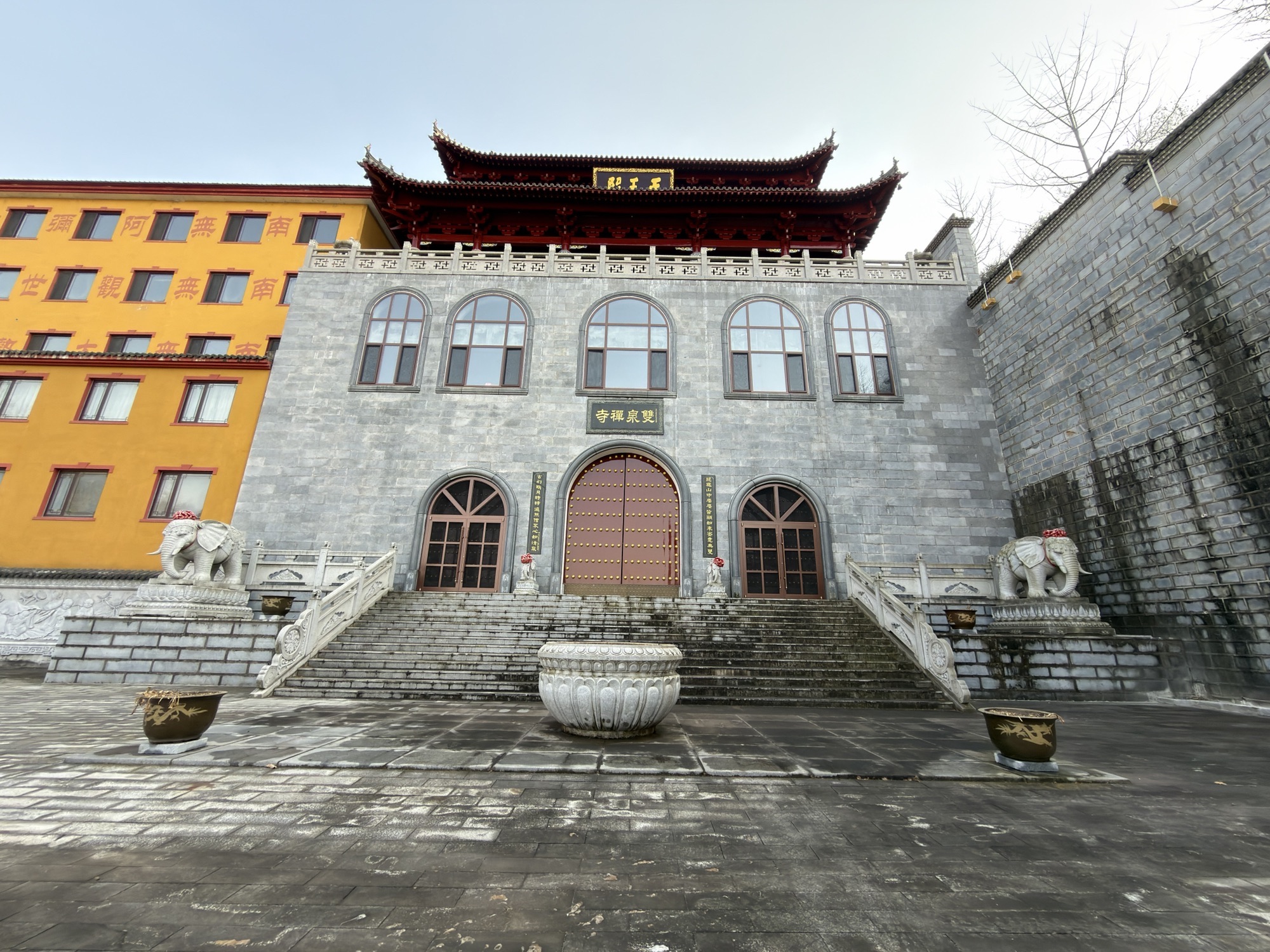
Shuangquan Chan Temple was originally established during the Zhen Guan era of the Tang Dynasty (627 AD), making it over 1,300 years old and one of the most significant Zen Buddhist temples in western Sichuan. According to the Puhu County Gazetteer, the temple was initially named "Shuangquan Yuan" (Double Spring Courtyard), derived from two perennial springs located in front of the temple. During the Song Dynasty, it was renamed "Shuangquan Chan Temple" and became a major transmission center for the Yunmen lineage of Zen Buddhism in western Sichuan. It underwent multiple renovations during the Ming and Qing dynasties, enjoyed flourishing incense offerings, and was once counted among the Eight Great Zen Monasteries of Sichuan.
🏛️ Architecture and Layout:
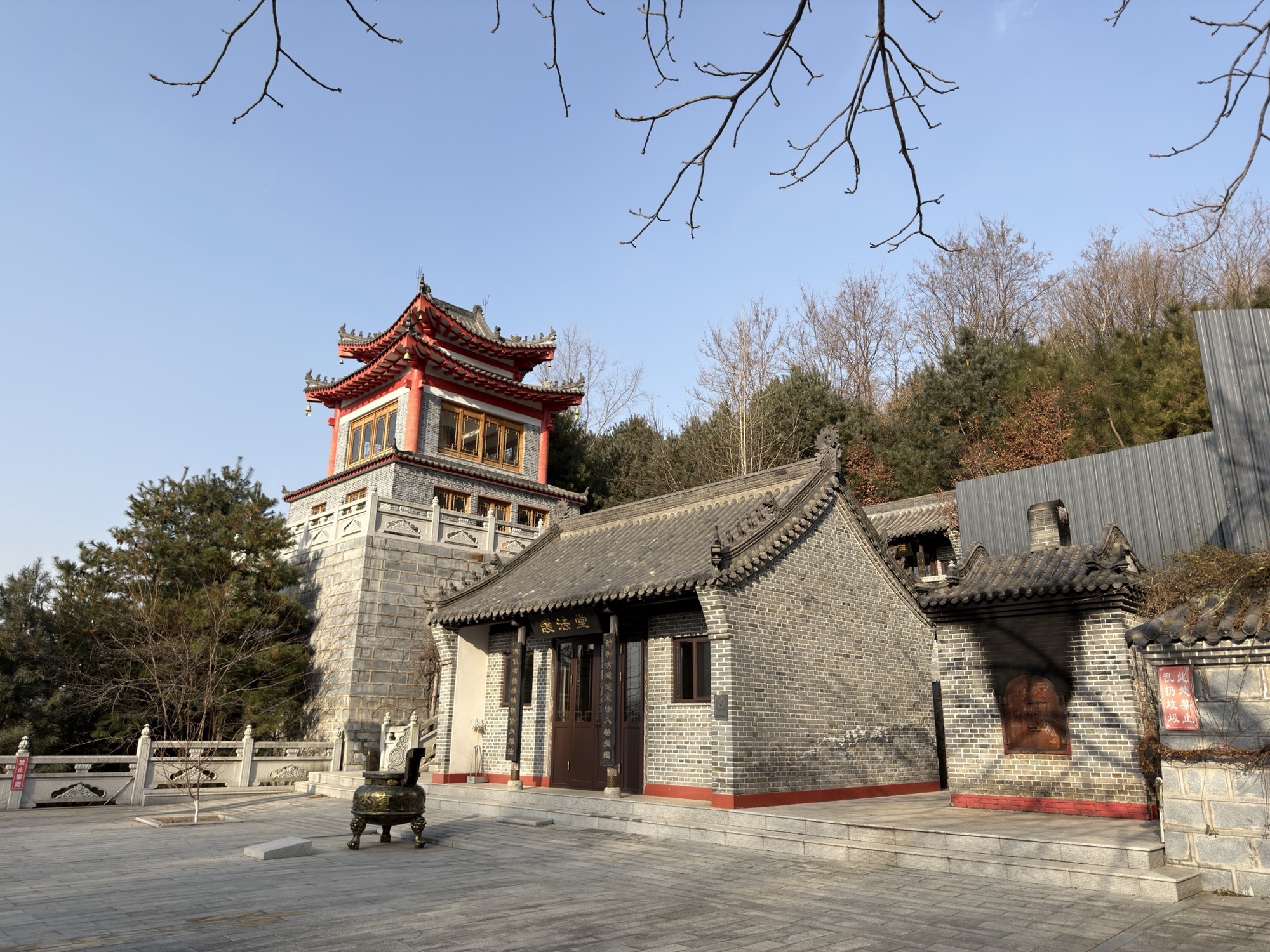
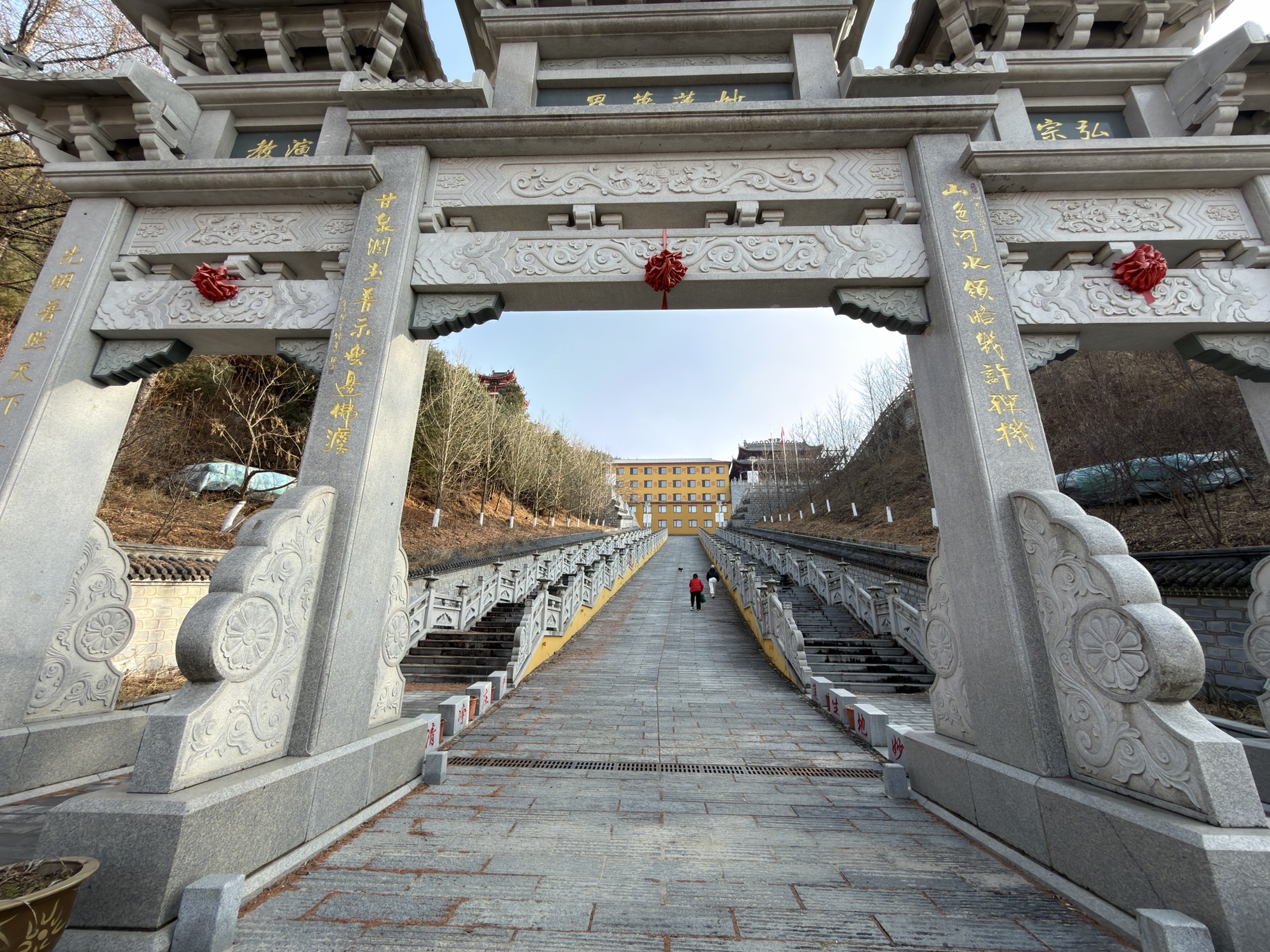
The temple is built into the mountainside, facing south with a north-south orientation, following a traditional "three-hall" layout. The main structures currently standing include the mountain gate, the Hall of the Four Heavenly Kings, the Mahavira Hall, the Sutra Repository, and the Bell and Drum Towers. The primary buildings feature traditional dougong wooden frame construction, tiled roofs with green tiles, and upturned eaves, exuding an ancient and solemn elegance. Inside the Mahavira Hall stands a statue of the Buddha Shakyamuni, flanked by eighteen colorful clay sculptures of Arhats—masterpieces from the Qing Dynasty, renowned for their exquisite craftsmanship and lifelike expressions.
📜 Cultural and Historical Significance:
The temple houses three Ming Dynasty stone inscriptions, including the stele titled Record of the Restoration of Shuangquan Chan Temple, which meticulously documents the temple’s renovation history and holds substantial historical value. Additional cultural relics include a pair of bronze lotus lamps from the Qing Dynasty and a Ming-era iron bell, all designated as county-level protected cultural heritage. The temple has long preserved its Zen meditation traditions, continuing practices such as morning gongs and evening drums, as well as collective seven-day meditation retreats—making it a vital physical testament to the development of Buddhist culture and Zen transmission in the Bashu region.
🧘♂️ Visitor Information:
- Opening Hours: Daily 6:00–18:00 (open on holidays)
- Admission: Free entry (donations for incense are voluntary)
- Transportation Tips: Take Chengdu Metro Line 2 to Longquan Station, transfer to a Puhu Express Bus bound for Puhu County, then take a taxi for about 15 minutes to reach the temple.
- Visiting Tips: The temple grounds are serene and tranquil—please dress modestly; observe religious etiquette, and refrain from loud talking or photography.
✨ Cultural Legacy:
Shuangquan Chan Temple is not only a living continuation of a thousand-year-old Buddhist lineage but also embodies the spiritual essence of “a Zen heart finding peace” in western Sichuan. With its ever-flowing springs and uninterrupted chants, it stands as a peaceful sanctuary beyond the bustling city—a place truly worthy of deep exploration.