Longquan Lake Tourist Resort
Address
八汤线北50米
Description
🌿 Longquan Lake Tourist Resort
📍 Address: 50 meters north of Bayuanshi Road (within LaiShui County, Baoding City, Hebei Province)
🏞 Overview
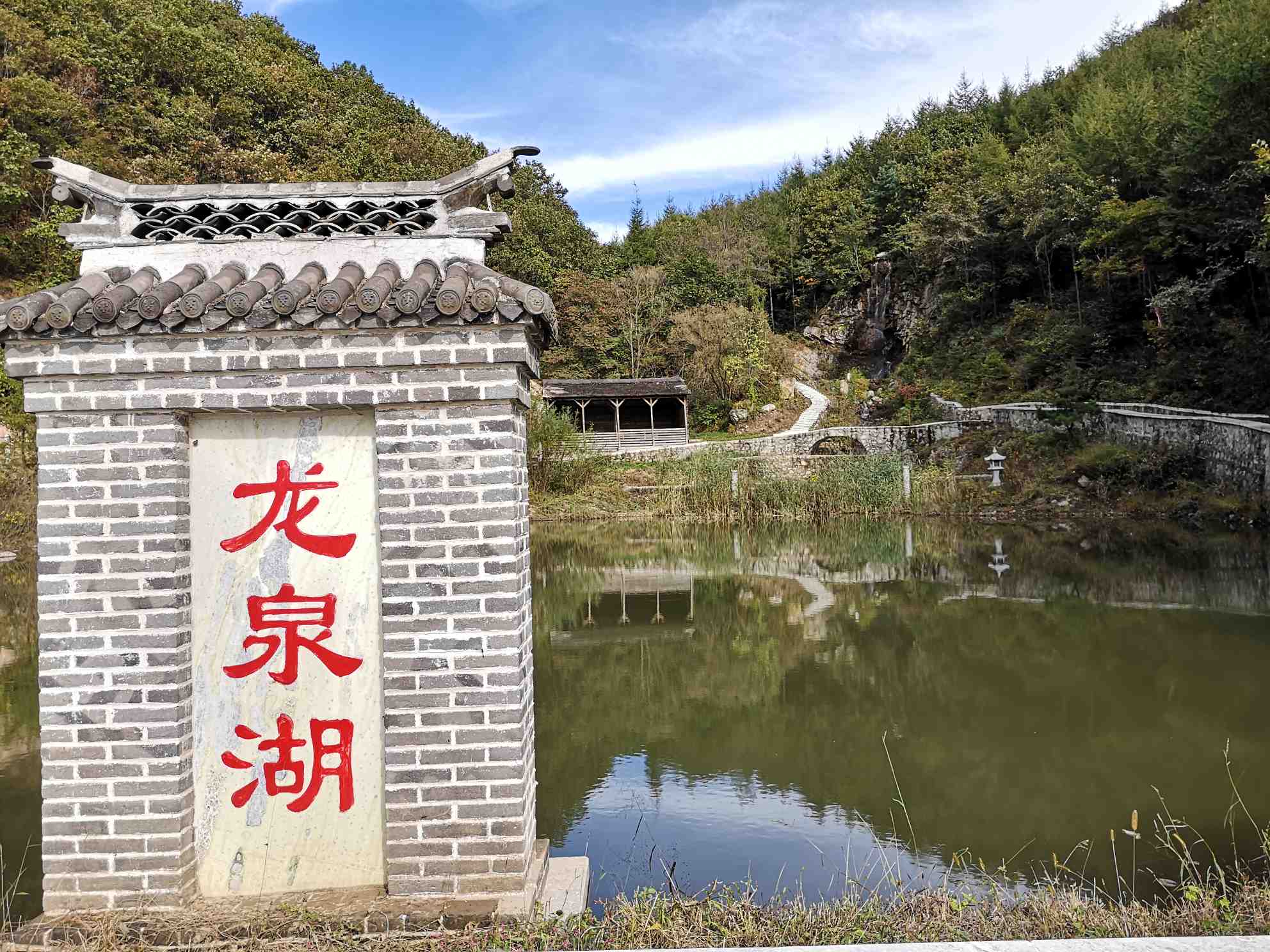
Longquan Lake Tourist Resort is nestled at the eastern foothills of the Taihang Mountains, offering a comprehensive destination that blends natural ecology, historical relics, and cultural landscapes. Centered around a pristine natural lake covering 120 hectares, the resort features crystal-clear waters reflecting the sky like a mirror, surrounded by rolling mountains. The scenery changes beautifully with the seasons—famous for its cherry blossoms in spring, lotus blooms in summer, maple foliage in autumn, and snow-laden vistas in winter.
⏳ Historical Origins
According to the LaiShui County Chronicles, Longquan Lake was historically known as "Longqiu," originally excavated during the Tang Dynasty as a royal sacrificial site for rain prayers. During the Song Dynasty, an "Omen God Temple" was built on the island in the lake’s center, and the site underwent multiple renovations in the Ming and Qing dynasties. It stands as one of the rare ancient man-made lakes in North China that served both religious ritual and water management functions. In the Qing Dynasty, scholar Yang Shiqi composed a poem capturing its essence: “Green waves embrace ancient moonlight; dragon shadows stir mist and clouds,” perfectly conveying its profound historical depth.
🏛 Architecture and Cultural Relics
- Ruins of the Omen God Temple: Remnants include stone foundations, broken walls, and two Ming Dynasty steles. Inscriptions on the stones document the lake’s construction history and successive repairs, holding significant historical value.
- Ancient Bridge Remains: A single-arch stone bridge from the Qing Dynasty remains intact on the eastern shore, inscribed with “Wanshou Bridge.” Crafted from gray stone, it exemplifies refined masonry techniques.
- Rock Carvings: Numerous inscriptions from the Ming and Qing dynasties are preserved on the cliffs surrounding the lake, featuring poetry, prayers, and geographical records—valuable physical evidence for studying regional culture.
🌱 Cultural Significance
Beyond its role as a vital water conservation heritage site, Longquan Lake embodies the fusion of folk beliefs, agrarian civilization, and classical landscape aesthetics. Every year on the third day of the third lunar month, the local community continues the traditional “Dragon Assembly Festival,” featuring dragon dances, blessings ceremonies, and lanterns released on the water. This festival has been listed as a municipal intangible cultural heritage in Baoding City.
🚶 Visitor Information
- Opening Hours: 8:00 AM – 6:00 PM (open year-round)
- Admission Fee: 30 yuan for adults, half-price for students, free for visitors aged 60 and above
- Transportation Tips: Take the Baoding–LaiShui express bus line and alight at the “Bayuanshi Road” stop; walk 500 meters to reach the resort
- Special Experiences: Boat rides on the lake, exploring ancient sites, hands-on workshops showcasing intangible cultural heritage crafts, and evening light shows
✨ Visitor Tip: Fishing and littering are prohibited within the park. Please practice responsible and respectful tourism.
This description is based on field research and official documentation, with data current as of 2024.