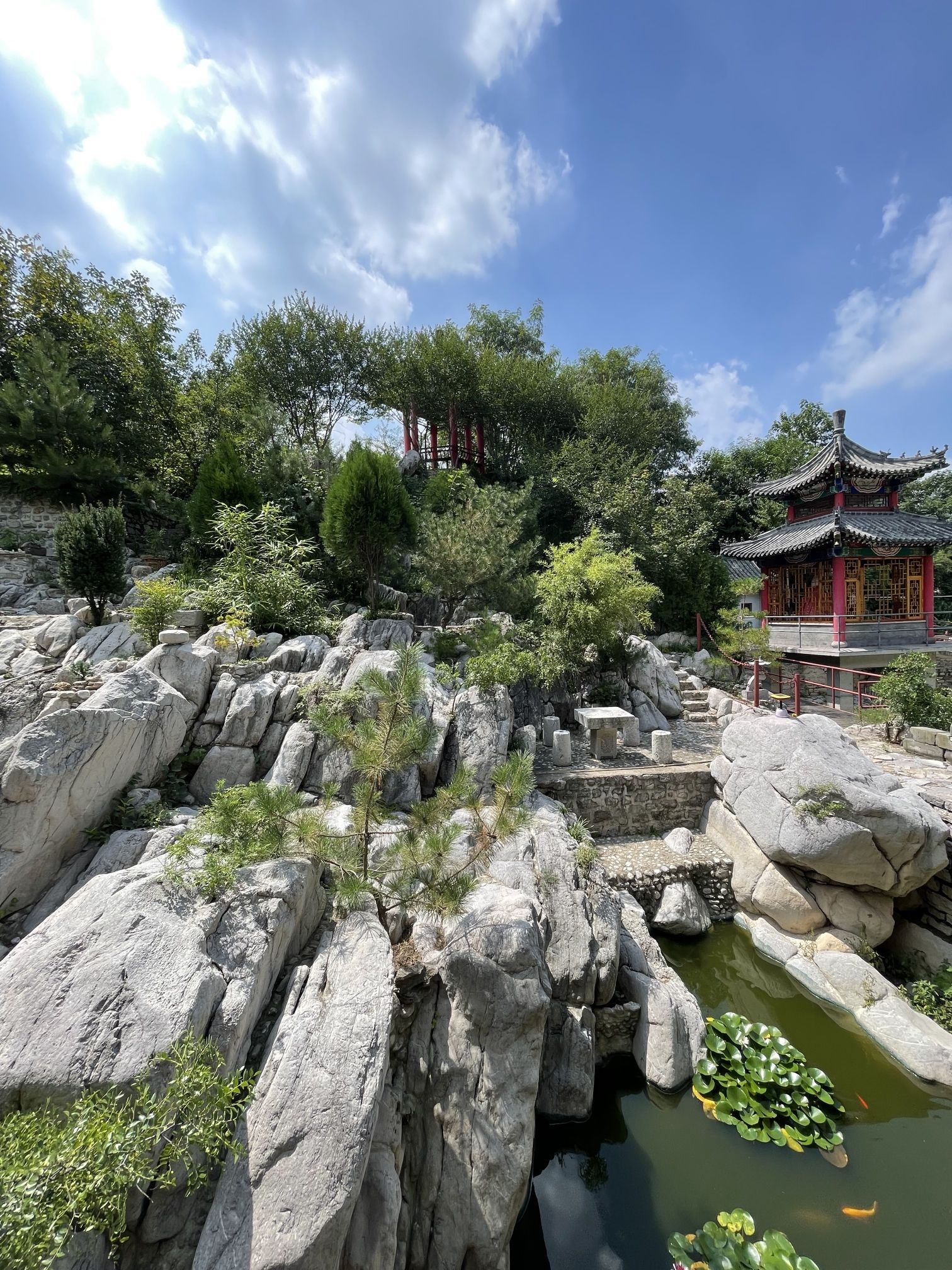
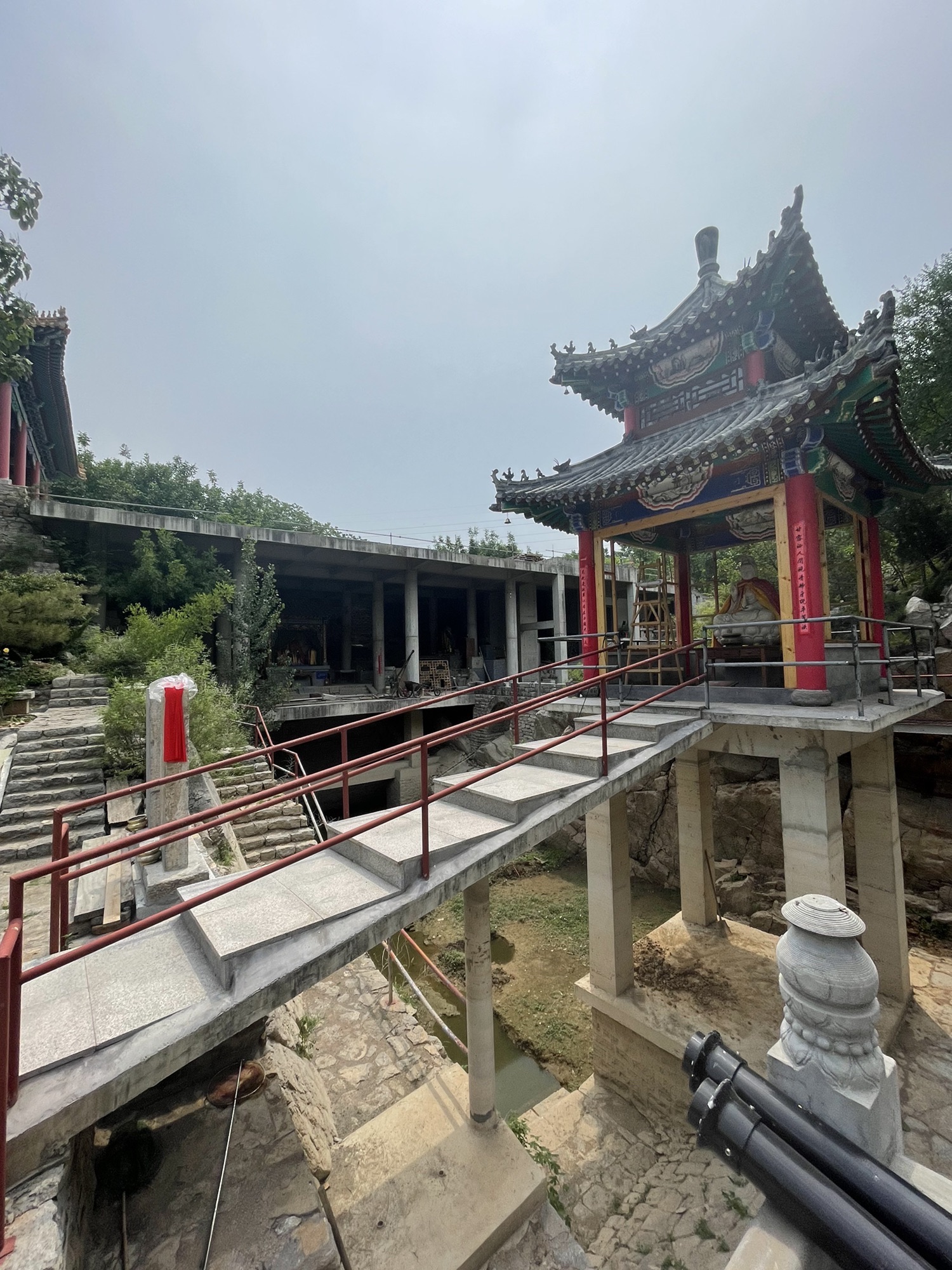
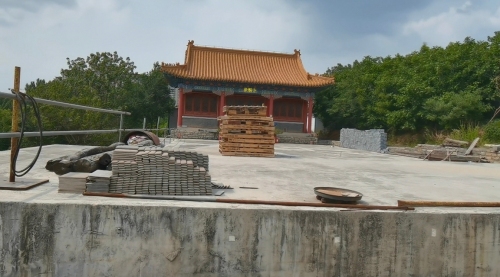
Xianglin Temple (Not Open to the Public)
📍 Address: 13662 Tourism Road
🏛️ Type: Historical and Cultural / Ancient Temple Ruins
📅 Established in: Tang Dynasty (approximately 750 AD)
🔐 Current Status: Not Open to the Public, restricted to preservation and research purposes only
🏯 Historical Background
Xianglin Temple was founded during the reign of Emperor Xuanzong of the Tang Dynasty, originally named "Xianglin Chan Monastery." It was named after the stone sculptures of elephants and qilin at the temple entrance, and it served as an important node for the spread of Buddhism in the capital region at the time. After repairs during the Song, Yuan, and Ming dynasties, it was renovated and renamed "Ci Guang Chan Lin" during the Qianlong period of the Qing Dynasty. During the Republic of China period, it fell into disrepair due to war and was later listed as a cultural heritage site by the local government.
🏛️ Architecture and Remains
- Main Structure: The existing site includes the foundation of the main gate, the base of the main hall, the earthen platforms of the bell and drum towers, and part of the brick walls.
- Stone Carvings:
- Two Tang Dynasty stone lions (left lion, right qilin), exquisitely carved, with the lion's head majestic and the qilin looking up with a pearl in its mouth, representing the style of the flourishing Tang Dynasty.
- Three broken stone tablets, recording the founding and successive renovations of the temple, one of which is inscribed with "the 27th year of the Kaiyuan period," holding significant historical value.
- Architectural Features: Adopting the central-axis symmetrical layout of the Tang Dynasty, built according to the mountainous terrain, the remaining foundation outline still reveals the remains of the corbel brackets.
🌟 Cultural Value
- As an important node on the southern route of Buddhism during the Tang Dynasty, it reflects the trajectory of cultural exchange between the Central Plains and Southwest Buddhism.
- The stone carving art blends Han territorial rituals with Western elements, providing a precious physical example for studying the evolution of Tang Dynasty religious sculpture.
- It is listed as a Provincial Key Cultural Heritage Site (Code: Ⅲ-452), holding irreplaceable historical and artistic value.
🚫 Tourism Information Notice
- ✅ Opening Status: Not Open to the Public, access to or proximity to the site is prohibited for visitors.
- ⛔ Prohibited Activities: Unauthorized climbing, photography, video recording, or destruction of remains will be legally pursued.
- 📌 Visiting Suggestions: Visitors can view the outline of the site from an external viewing platform and appreciate the charm of the ancient temple; it is recommended to use the site's map to understand the historical context.
📝 Note: The temple is currently managed by the municipal cultural relics bureau, which regularly conducts protective repairs and digital documentation. Future considerations for moderate opening will be based on conditions assessment.