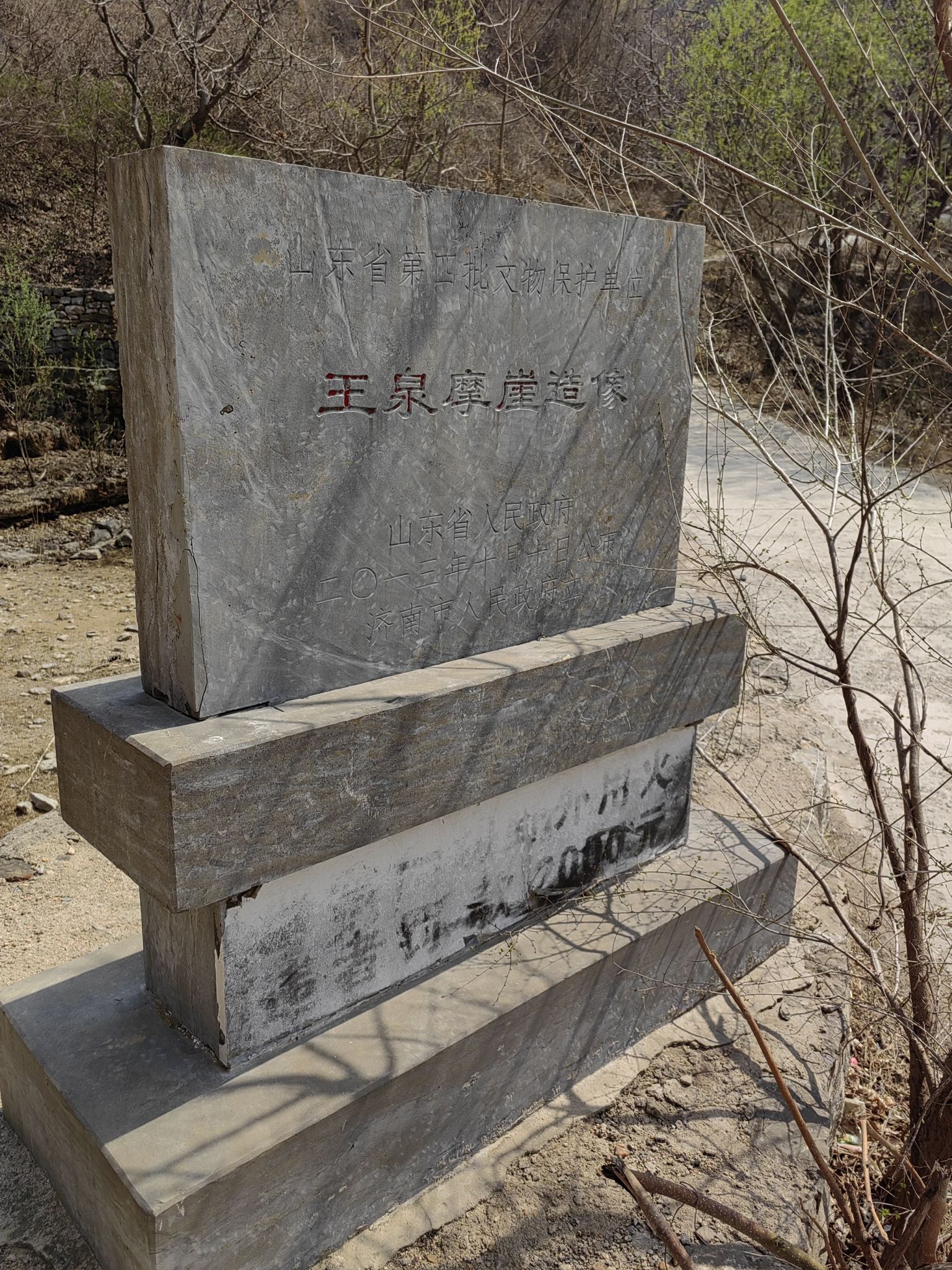
Wangquan Grotto Carvings
Laiwu💎💎💎
加载中...
📍 Location: Wangjiaquan Village, Licheng District, Jinan City, Shandong Province
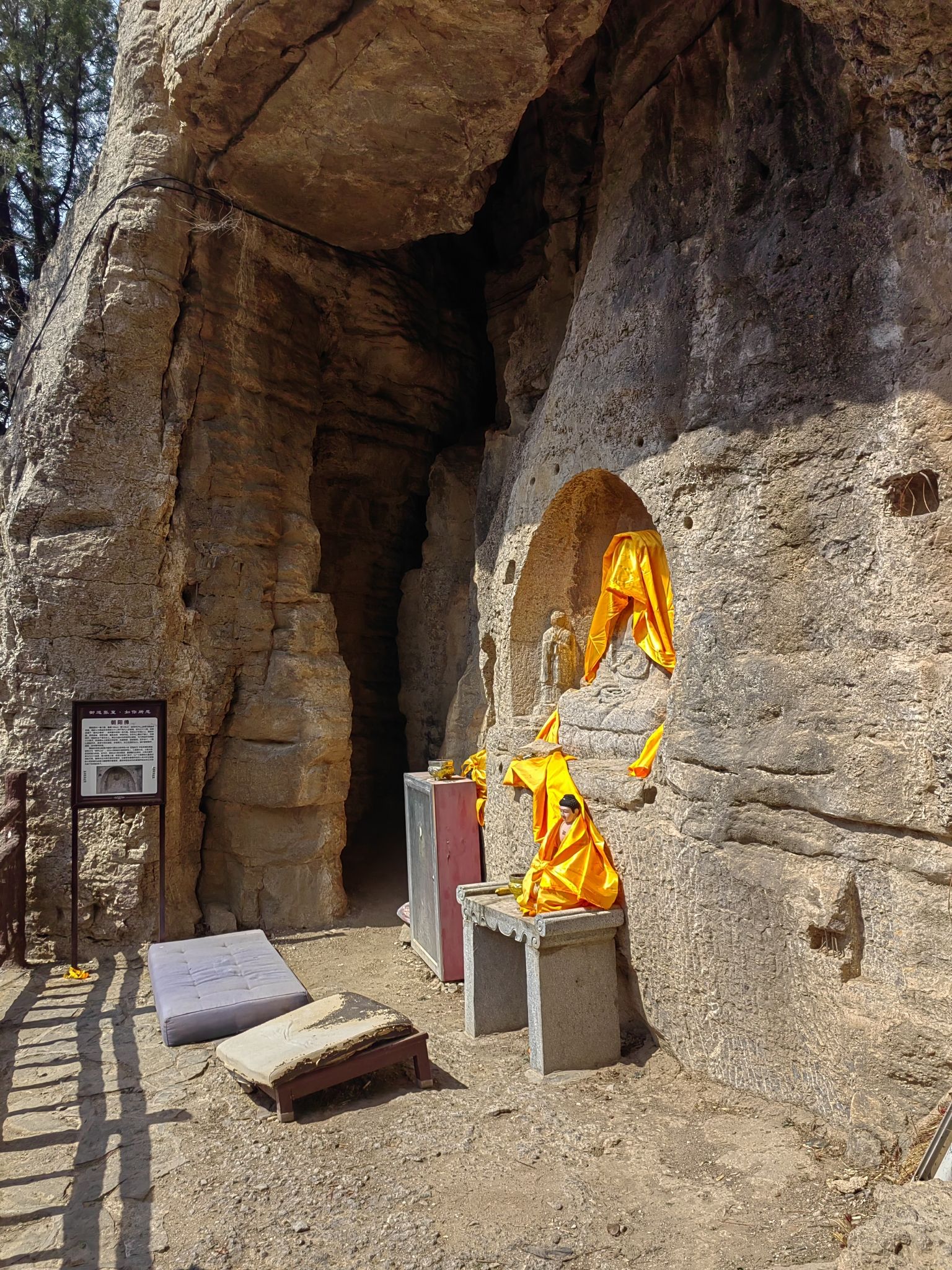
The Wangquan Grotto Carvings were carved during the Northern Qi Dynasty (550–577 CE), making them one of the earliest and best-preserved groups of rock-cut sculptures in Shandong Province. According to historical records from the Jinan Prefecture Gazetteer and on-site inscriptions, these carvings were funded by local Buddhist devotees amid a widespread religious fervor at the time, serving both spiritual and social educational purposes. Despite over a millennium of exposure to wind and rain, the carvings still retain the distinctive "ethereal bone, refined countenance" style characteristic of the Northern Qi period.
The Wangquan Grotto Carvings represent not only an important legacy of Northern Dynasties Buddhist art but also reflect the widespread popularity of Buddhism among the northern populace and its interaction with local societal structures. Their stylistic lineage echoes that of Yungang and Longmen, while incorporating distinct regional characteristics, making them of significant academic value for studying the spread of Buddhism and the evolution of grotto art in Shandong.
✨ Tip: Spring brings blooming wildflowers, autumn paints the forest in rich hues—ascending to view the carvings offers a profound sense of harmony between humanity, nature, history, and quiet contemplation.