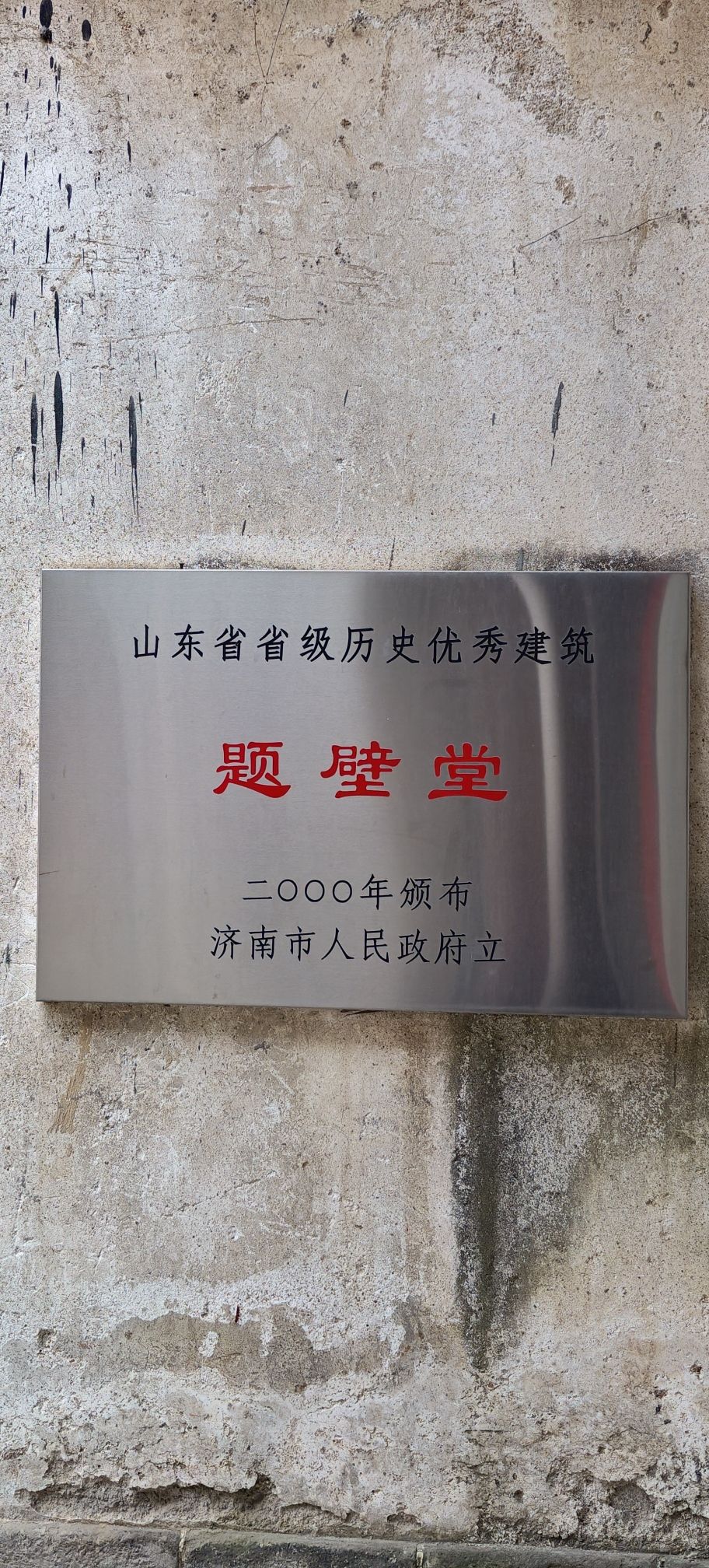
Tibi Hall
Laiwu💎💎💎
加载中...
📍 Address: No. 2 Shoukanglou Street, Lixia District, Jinan City, Shandong Province (near Quancheng Road)
🕰️ Opening Hours: 9:00–17:00 daily (closed on Mondays, except public holidays)
🎫 Admission: Free entry (requires real-name registration in advance)
Tibi Hall was originally a renowned gathering place for literati in Qing Dynasty Jinan. First built during the Qianlong period of the Qing Dynasty, it was initially named "Tibi Xuan," deriving its name from the local custom of inscribing poetry and calligraphy on walls. The name embodies the spirit of "expressing emotions through wall inscriptions, and conveying moral principles through literature." It served as a vital venue for ancient Jinan scholars to exchange poetic works and scholarly ideas. Over more than a century, it became a frequent residence for late Qing intellectuals and poets such as Wang Yirong and Yang Enshou, embodying deep cultural roots of the Qilu region.
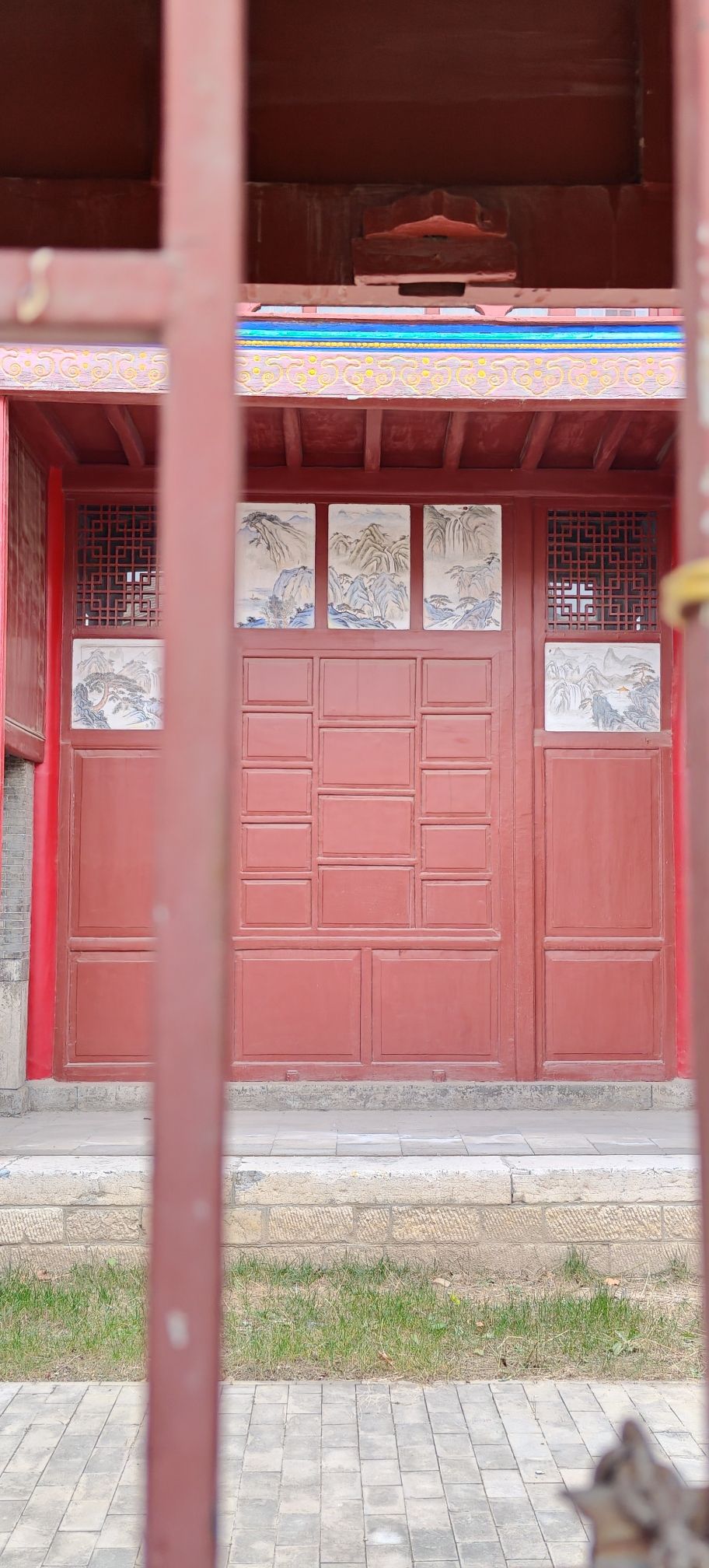
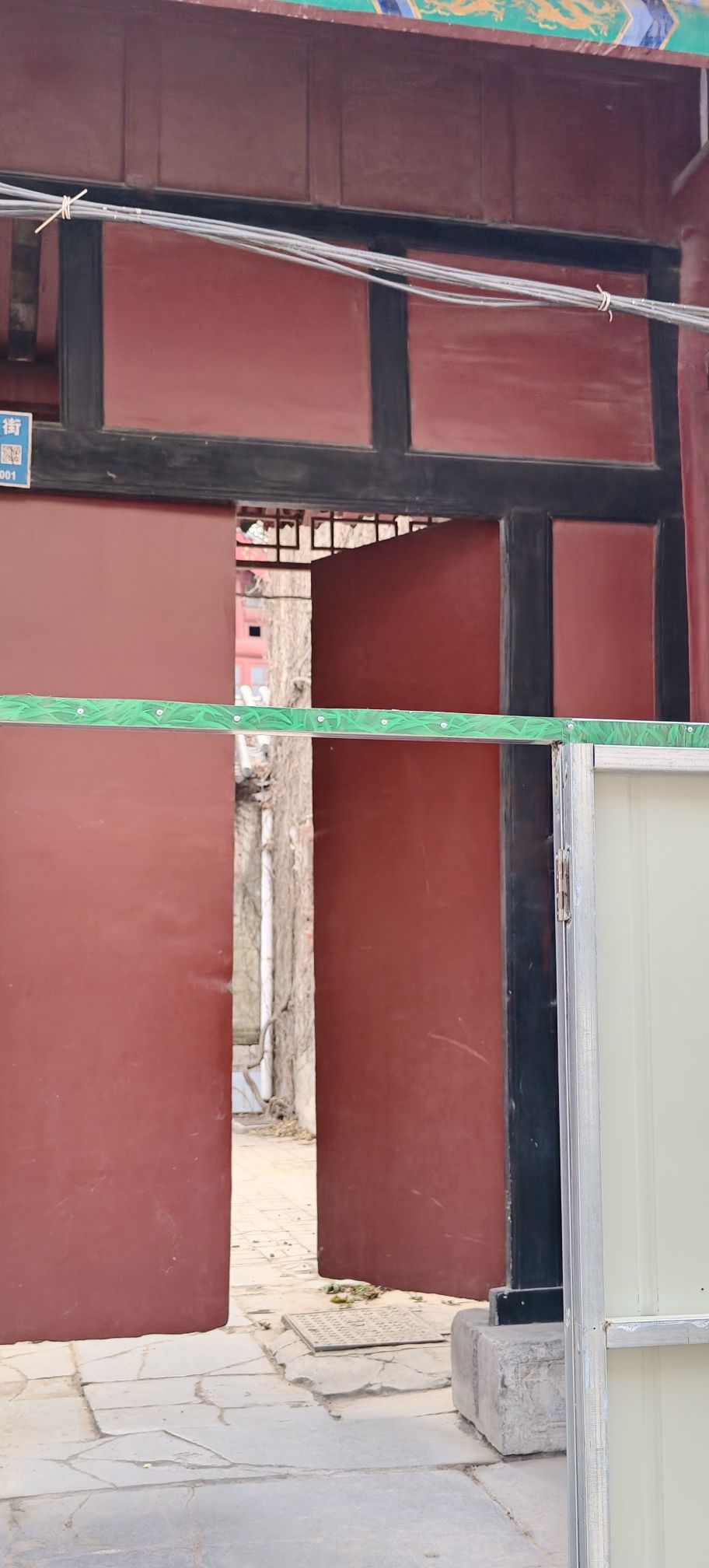
The building faces south with a typical northern Chinese courtyard layout from the Qing Dynasty, consisting of three sequential courtyards. Constructed with blue bricks and gray tiles, it features intricate wood carvings, colorful paintings, and upturned eaves with elegant roof corners, exuding timeless elegance. The main hall spans three bays, with colonnades in front and a carved plaque reading "Tibi Hall" suspended beneath the eaves—inscribed by Wei Qihou, a renowned calligrapher of modern times. A centuries-old locust tree stands within the courtyard, over 200 years old, its gnarled branches bearing witness to historical changes.
The hall houses relics primarily comprising stone inscriptions, manuscripts, and personal letters, with particular emphasis on handwritten wall inscriptions from the late Qing to Republican periods. Notable items include fragments of the Jinan Wall Inscription Records, selected passages from Wang Yirong’s handwritten Studies on Bronze and Stone Inscriptions, and several stone tablets engraved with poetic dedications. Additionally, the collection includes Ming and Qing dynasty furniture, inkstones, and brush pots—artifacts reflecting the refined lifestyle of traditional literati.
Tibi Hall is not only a significant landmark in Jinan’s cultural heritage but also an invaluable repository for studying scholar culture, the development of epigraphy, and regional literary history in Shandong Province. Its tradition of wall inscription continues today, with the annual "Quancheng Wall Inscription Gathering" attracting writers and scholars from around the world, preserving the enduring spirit of "meeting friends through literature."
📌 Tip: On pleasant spring and autumn days, the dappled shade of the ancient locust tree sways gently before the hall, and faint echoes of recited verses drift on the breeze—transporting you back through a century of literary legacy.