Tianxian Temple
Laiwu💎💎💎
加载中...
📍 Location: 042 Country Road, Yangcheng County, Jincheng City, Shanxi Province
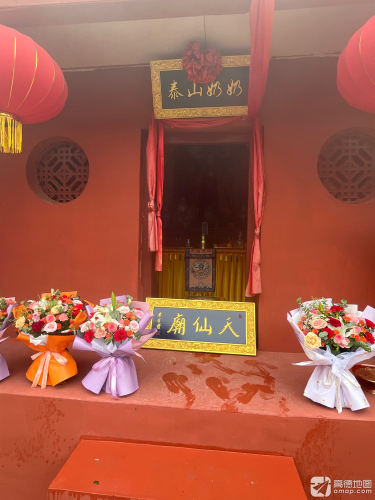
The Tianxian Temple was originally constructed during the Dazhongxiangfu period of the Northern Song Dynasty (1008–1016), boasting a history of over a thousand years. It is one of the relatively well-preserved remains of Song Dynasty Taoist architecture in the North China region. The temple was originally built to worship the "Tianxian Mother Goddess" (also known as the Bi Xiaoyunjun in folk beliefs), and was repeatedly repaired during the Ming and Qing dynasties, with the restoration in the Guangxu period of the Qing Dynasty being the most complete. It bears witness to the evolution of folk beliefs and religious culture in the southeastern region of Jin.
The main buildings are arranged in a three-compartment courtyard layout, with the existing gate, main hall, east and west side halls, and the remains of the bell and drum towers. The main hall features a single-eave hipped roof structure with a raised beam wooden frame, large brackets, and retains typical Song Dynasty style. The remnants of the murals inside the hall cover Taoist deities and filial piety stories, with simple brushwork and high artistic value. A pair of stone lions stand in front of the temple, intricately carved, and are remnants from the Qing Dynasty.
Tianxian Temple is not only an important place of Taoist worship but also a tangible source for studying the folk customs, clan society, and local economic history of the southeastern region of Jin. Its architectural style and painted decorations provide an important model for studying the folk religious architecture in the North of China from the Song Dynasty to the mid-Qing Dynasty.
🌸 A temple, a thousand-year soul; a stick of incense, a reverence for heaven and earth. Tianxian Temple stands quietly among the countryside, narrating an eternal echo of civilization.