Baolin Temple
Address
武灵镇沙咀村
Description
Baolin Temple 🏯
Address: Shazhu Village, Wuling Town, Datong City, Shanxi Province
Historical Origins 🕰️
Baolin Temple was originally established during the Northern Wei Dynasty (4th century CE), with a history spanning over 1,600 years, making it one of the oldest surviving Buddhist temples in northern China. According to the Datong Prefecture Gazetteer, it was initially known as "Baolin Chan Academy." Located at a strategic point along the ancient post road, it became a vital hub on the transportation network, attracting abundant pilgrims and flourishing religious activity. The temple underwent expansion in the Tang Dynasty, reconstruction in the Song Dynasty, and successive renovations during the Ming and Qing dynasties—consistently serving as a major center of Buddhist culture in northern Shanxi. An extant Ming Dynasty stele within the temple records: “The name Baolin signifies 'treasures gathered in the forest, the light of Dharma illuminating all,'” reflecting its profound Buddhist heritage.
Architectural Layout 🏛️
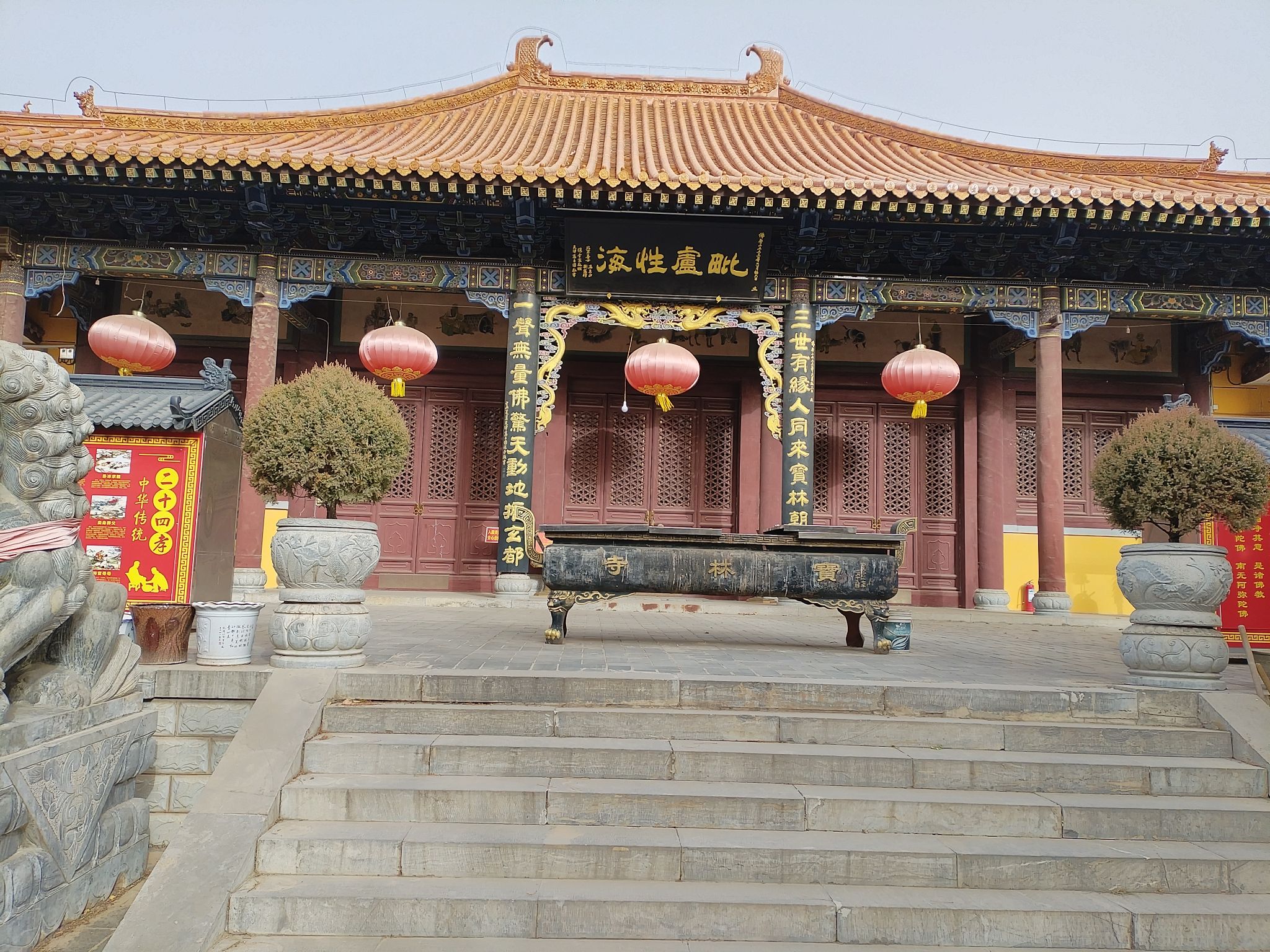
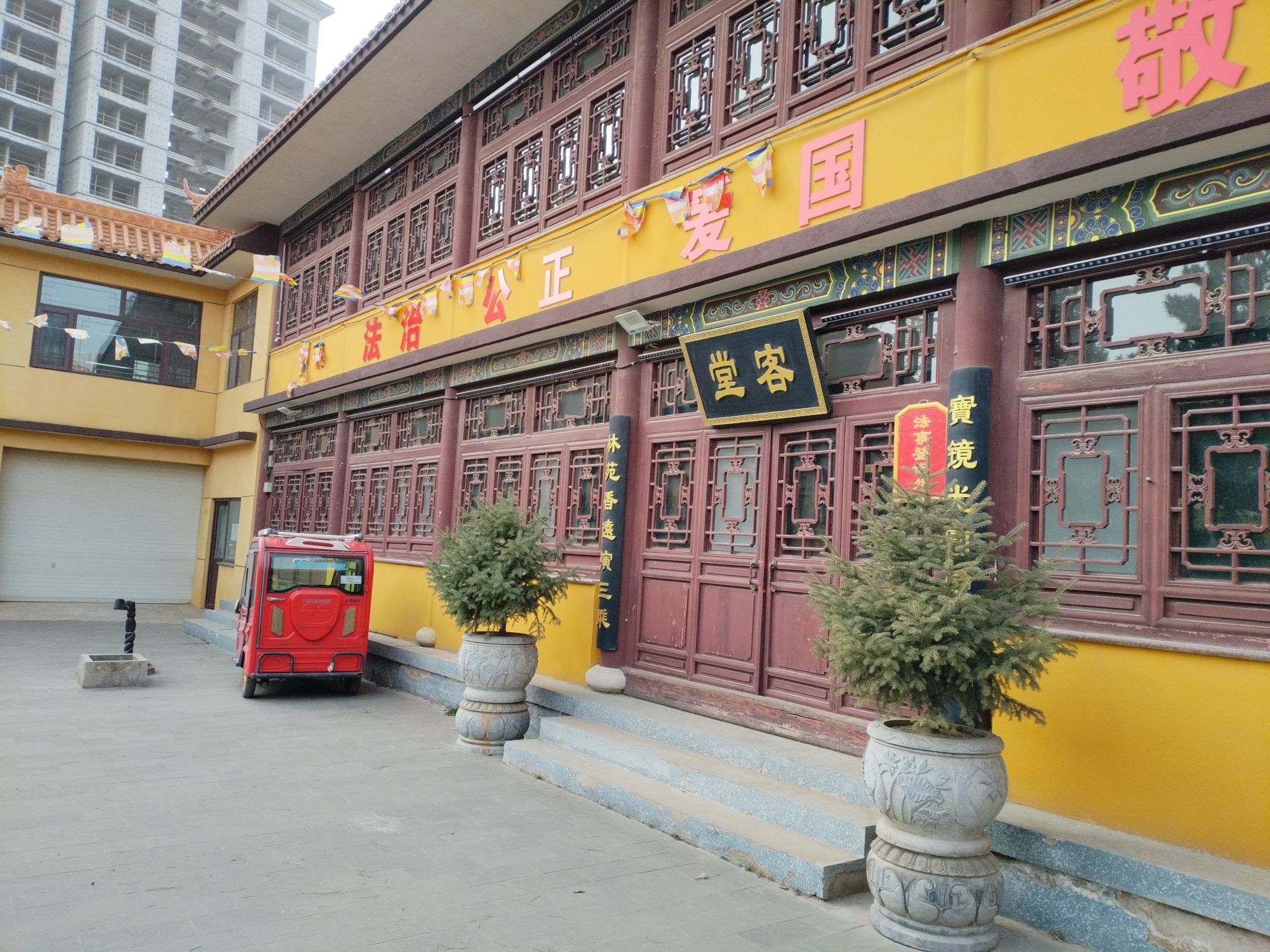
The temple is built into the mountainside, facing south with a north-south central axis and symmetrical layout, covering approximately 3,200 square meters. Key structures include the mountain gate, Hall of the Four Heavenly Kings, Great Buddha Hall, Scripture Pavilion, and east-west auxiliary halls—all retaining distinct Ming and Qing architectural styles. The Great Buddha Hall features a single-eaved hip roof with exquisite dougong brackets and well-preserved painted beams. Two imposing stone lions stand before the hall, lending an air of solemn grandeur. Ancient cedars tower throughout the grounds, most notably the famed "Thousand-Year Ginkgo," estimated to be over a millennium old. In autumn, its golden leaves cascade like a waterfall—a sight unmatched in beauty.
Cultural Relics 🏺
The temple houses a rich collection of historical artifacts:
- A 1.8-meter-tall bronze statue of Maitreya Buddha from the Ming Dynasty, fully gilded
- Fragments of the Qing Dynasty Great Buddhist Canon (37 volumes), listed on the provincial intangible cultural heritage register
- Three Northern Wei Dynasty stone Buddha niches, depicting themes such as the "Three Saints of the Western Paradise" and "Parinirvana Scenes," characterized by simple, powerful lines and significant artistic value
- A tablet inscribed by Emperor Qianlong during the Qing Dynasty, titled "Wisdom Lamp Ever Bright," still displayed above the main hall’s entrance
Cultural Significance 🌟
Beyond its role as a place of worship, Baolin Temple stands as a crucial physical testament to the spread of Buddhism in northern China, traditional architectural craftsmanship, and folk religious practices. Designated a National Key Cultural Relics Protection Unit in 2013, the temple’s architectural form, carving style, and historical records align closely, offering invaluable insights into the evolution of Buddhist temples from the Tang and Song dynasties through the Ming and Qing periods.
Visitor Information 📌
- Opening Hours: 8:00–17:30 (open year-round)
- Admission: Free (registration required upon entry)
- Transportation: Take bus No. 102 from downtown Datong to "Shazhu Village Station," then walk 5 minutes to reach the temple
- Recommended Visit Duration: 1.5 hours
- Visitor Guidelines: Please refrain from loud talking or smoking; dress respectfully and observe religious etiquette during visits
📚 Note: On the eighth day of the fourth lunar month each year, during the Buddha’s Birthday festival, the temple hosts a traditional ceremony that draws devotees from Shanxi, Hebei, and Inner Mongolia, creating a vibrant atmosphere steeped in local customs and spiritual tradition.