Xianghe Mosque, Quanjiao County
Address
南城路2号楼
Description
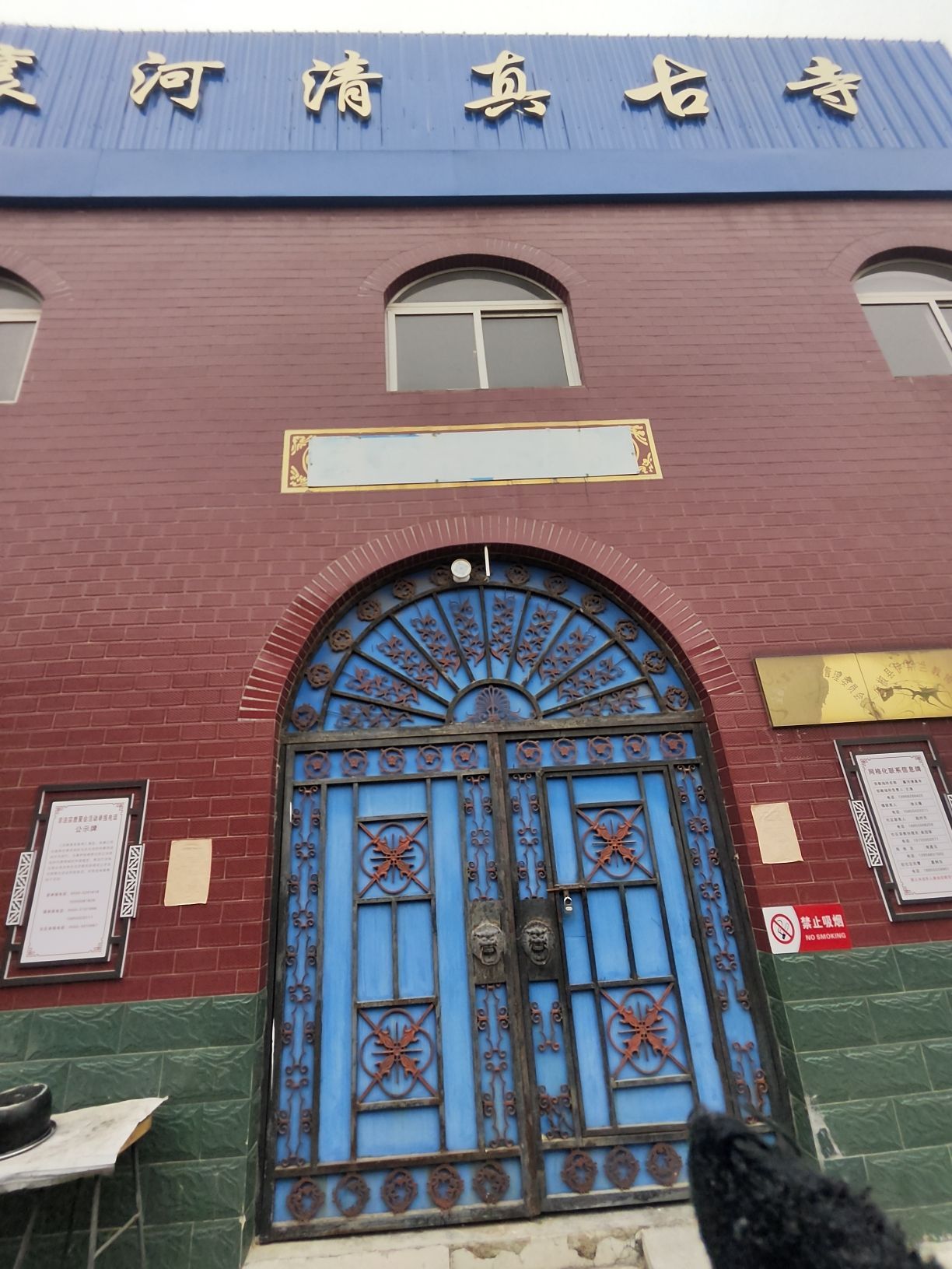
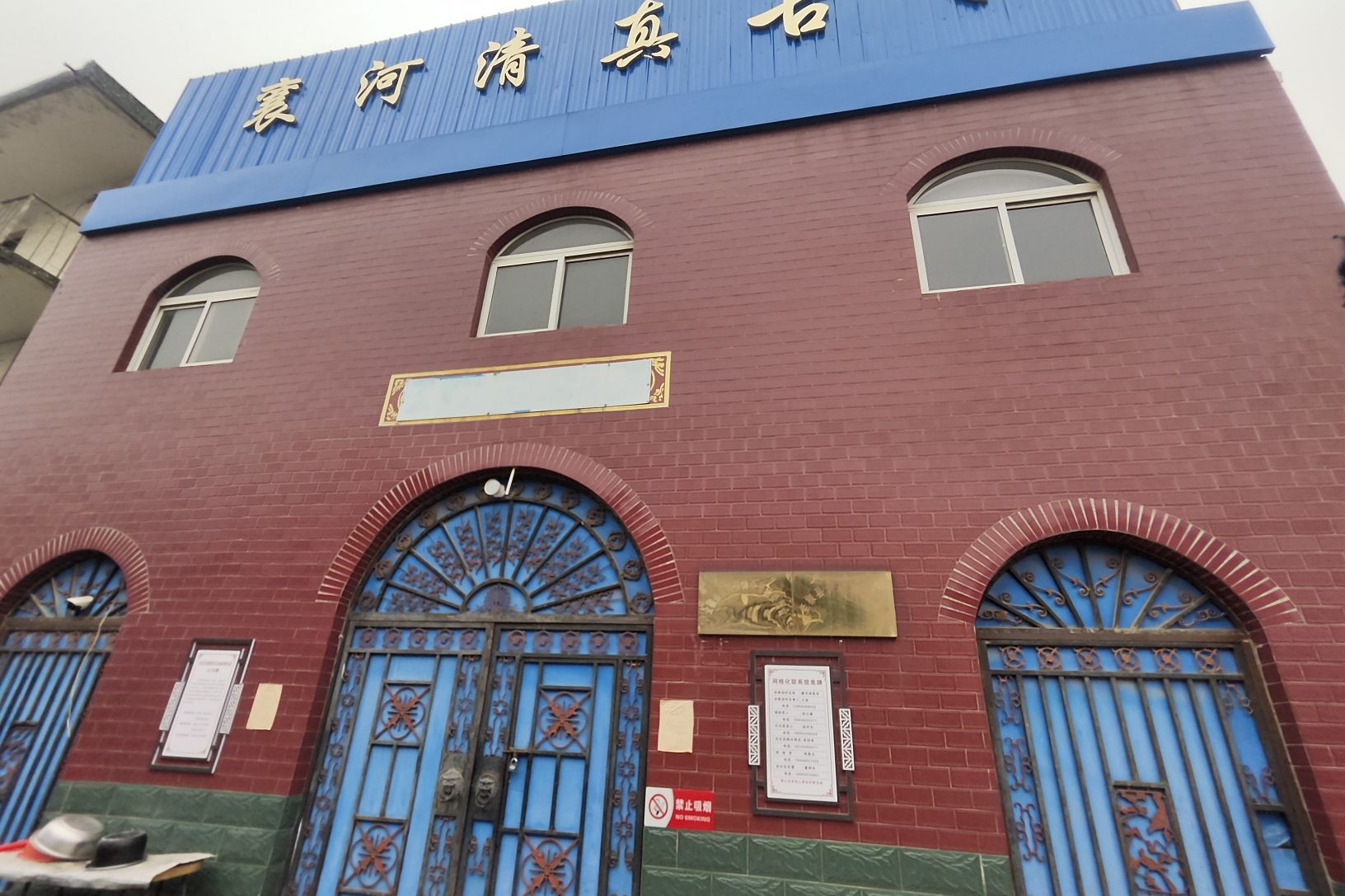
🕌 Xianghe Mosque, Quanjiao County
"Roots of Islamic Culture in Eastern Anhui, Witness to the Settlement of Hui Communities in the Huai and Jiang Areas"
📍 Basic Information
- Chinese Name: Xianghe Mosque, Quanjiao County
- Location: No. 2 Nan Cheng Road, Quanjiao County, Chuzhou City, Anhui Province (located in the heart of the old town, adjacent to the eastern bank of Xiang River)
- Original Construction Period: Early Ming Dynasty (circa 1368–1398), over 620 years old
- Current Layout: A traditional Chinese-style mosque complex reconstructed during the Qing Dynasty and subsequently preserved through restorations in the Republican era and early 21st century
- Religious Status: A place of Islamic worship, officially registered with the China Islamic Association as a legal religious activity site
📜 Historical Development
Xianghe Mosque is one of the oldest mosques in Eastern Anhui with clear documentary records and continuous operation, its historical trajectory well-documented:
- ✅ Founding in the Ming Dynasty: According to the Quanjiao County Gazetteer (Qianlong edition) and surviving inscribed stones within the temple, after the Hui Muslim soldiers under Zhu Yuanzhang pacified the Huai region, they settled along the Xiang River and collectively funded the construction of a mosque during the Hongwu era. Originally named "Qingzhen Prayer Hall," it was one of only two mosques in the entire Chuzhou Prefecture at the time.
- ✅ Prosperity in the Qing Dynasty: Expanded twice during the Kangxi and Qianlong reigns—adding a lecture hall, ablution room (bathing facility), and north and south side buildings—forming the typical Huizhou-style mosque layout of “one main hall, two courtyards, three gates.” The Record of the Restoration of the Xianghe Mosque (dated Guangxu period) meticulously documents donor lists and architectural specifications.
- ✅ Preservation Through Modern Times: During the Republic of China era, the mosque housed a “Hui Muslim Elementary School” offering bilingual education in Arabic and Chinese; during the War of Resistance Against Japan, the mosque sheltered local villagers, and imams led congregants in maintaining their faith despite hardship.
- ✅ Contemporary Conservation: Designated a County-Level Cultural Heritage Site in 2004; fully restored in 2012 following the principle of “restoring as original,” faithfully reconstructing the Qing-era wooden structure; included in the Anhui Province List of Protected Islamic Historical and Cultural Sites in 2021.
🏯 Architectural Features
The mosque covers approximately 1,200 square meters, facing east (in accordance with Islamic prayer orientation), blending Southern Chinese residential styles with Islamic functional layouts, reflecting the wisdom of “integrating Chinese culture into Islamic practice”:
-
Main Structure:
- Prayer Hall: Gabled roof with gray tiles, timber frame construction, five bays wide and three bays deep. Inside, there are no idols or figurative decorations; instead, a Mihrab (prayer niche) faces Mecca, with a carved Qing-era green brick relief inscribed with Arabic “Shahada” (Declaration of Faith), well-preserved.
- Minaret (Observation Tower): A three-story octagonal pavilion with a conical roof. The ground floor serves as an entrance hall; the second floor features call-to-prayer windows; the top once bore a copper crescent moon symbol (damaged in the 1950s), later faithfully restored according to historical design in 2012.
- North and South Lecture Halls and Ablution Rooms: Symmetrically arranged, featuring horse-head gables, latticed windows, and blue-brick flooring, combining practicality with regional aesthetic values.
-
Decorative Arts:
- Beam and rafter paintings use blue-green tones, featuring scrollwork, meander patterns, and geometric designs—strictly avoiding depictions of humans or animals, in line with Islamic principles;
- Stone tablet above the main gate bears the engraved characters “Qingzhen Gusi” (Ancient Mosque) in regular script (re-carved during the Guangxu era); paired couplets read: “The Way is rooted in moderation, embracing heaven and earth; The Religion upholds true faith, spanning past and present”—reflecting the harmonious integration of Confucian and Islamic thought;
- A century-old ginkgo tree stands in the courtyard, traditionally planted during the Qianlong era. In autumn, golden leaves carpet the path, earning the mosque the reputation of “the finest ancient ginkgo in Quanjiao.”
📜 Cultural Relics and Literary Heritage
The temple houses multiple significant historical and religious artifacts:
-
🪨 Qing Dynasty Steles:
- Record of the Restoration of the Xianghe Mosque (Year 15 of Guangxu, 1889): Details the restoration process, geographical location, and management systems—key primary source material for studying Hui social structures in Eastern Anhui during the Qing Dynasty;
- Prohibition Stele (Year 23 of Daoguang, 1843): Explicitly protects temple property and regulates religious activities, illustrating grassroots self-governance traditions within Islamic communities.
-
📜 Ancient Manuscripts:
- A fragmentary manuscript copy of the Qur’an in Persian commentary (32 pages surviving), with yellowed paper but legible script, believed to have been brought during the Jiajing era;
- A draft manuscript titled Brief History of Quanjiao Mosque (unique copy), held in the Special Collections Department of Anhui Provincial Library, digitally restored and returned to the temple for exhibition in 2020.
-
🧭 Religious Artifacts:
- A Qing-period rosewood prayer mat stand, a copper tawaf vessel (hand-washing jug), and a Xuande-style incense burner used during festive prayers—all carefully reproduced using traditional craftsmanship and displayed in authentic arrangement.
🌟 Cultural Significance
Xianghe Mosque is a vivid embodiment of China’s pluralistic yet unified civilization. Its value lies in three dimensions:
- Historical Dimension: Provides tangible evidence of the continuous settlement, agricultural livelihood, and commercial activities of Hui communities in the heartland of the Huai River region since the early Ming Dynasty, filling critical gaps in the ethnic migration history of Eastern Anhui;
- Architectural Dimension: A creative fusion of Huizhou construction techniques and Islamic spatial ethics, serving as a representative case study for understanding the “localized model” of Chinese mosques;
- Humanistic Dimension: Maintains the tradition of “interpreting scripture through Confucianism” for over six centuries—imams throughout history taught both the Analects and the Qur’an—fostering mutual cultural exchange between Han and Hui peoples. Today, the mosque continues hosting public cultural events such as “Eid al-Fitr Folk Experience” and “Ancient Mosque Guoxue Lectures.”
🧭 Traveler Information
| Item | Details | |------|--------| | Opening Hours | ⏰ Daily 8:00–17:00 (exterior viewing of main hall);<br>🕌 Prayer area accessible only to practicing Muslims; non-prayer hours allow guided tours by prior appointment (must register one day in advance via phone) | | Admission Policy | 🆓 Free entry (as a religious site, no ticket required); voluntary donations for guided tours (recommended: 20 RMB per person) | | Transportation Guide | 🚌 Take bus lines 101 from Chuzhou or line 1 from Quanjiao to the “Nan Cheng Road Stop,” then walk 150 meters; <br>🚗 A small convenience parking lot is available in front of the temple (limited to 8 spaces—encouraged to travel by eco-friendly means) | | Visitor Tips | 👗 Please dress modestly (no shorts, tank tops, or slippers);<br>📵 Photography and loud noises are prohibited inside the prayer hall;<br>🍵 A free tea station is available inside the temple, offering traditional “gaiwan tea”—welcome for quiet relaxation |
🌿 Visit Recommendation: Enjoy the blooming magnolias in spring framing the temple gate, or stroll beneath the golden canopy of ginkgo leaves in autumn. If visiting during Eid al-Fitr (first day of the tenth lunar month) or Eid al-Adha, you may apply to observe morning prayers (subject to observance of proper etiquette), experiencing the enduring spiritual warmth and everyday vitality of this thousand-year-old sanctuary.
This article is compiled based on materials from the Quanjiao County Gazetteer, Anhui Religious Gazetteer, Overview of Chinese Mosques, and joint field verification by Quanjiao County Bureau of Culture, Tourism, and the County Islamic Association in 2023. Data current as of June 2024.