Jiushan (Fengyang Mountain) National Geological Park Museum
Address
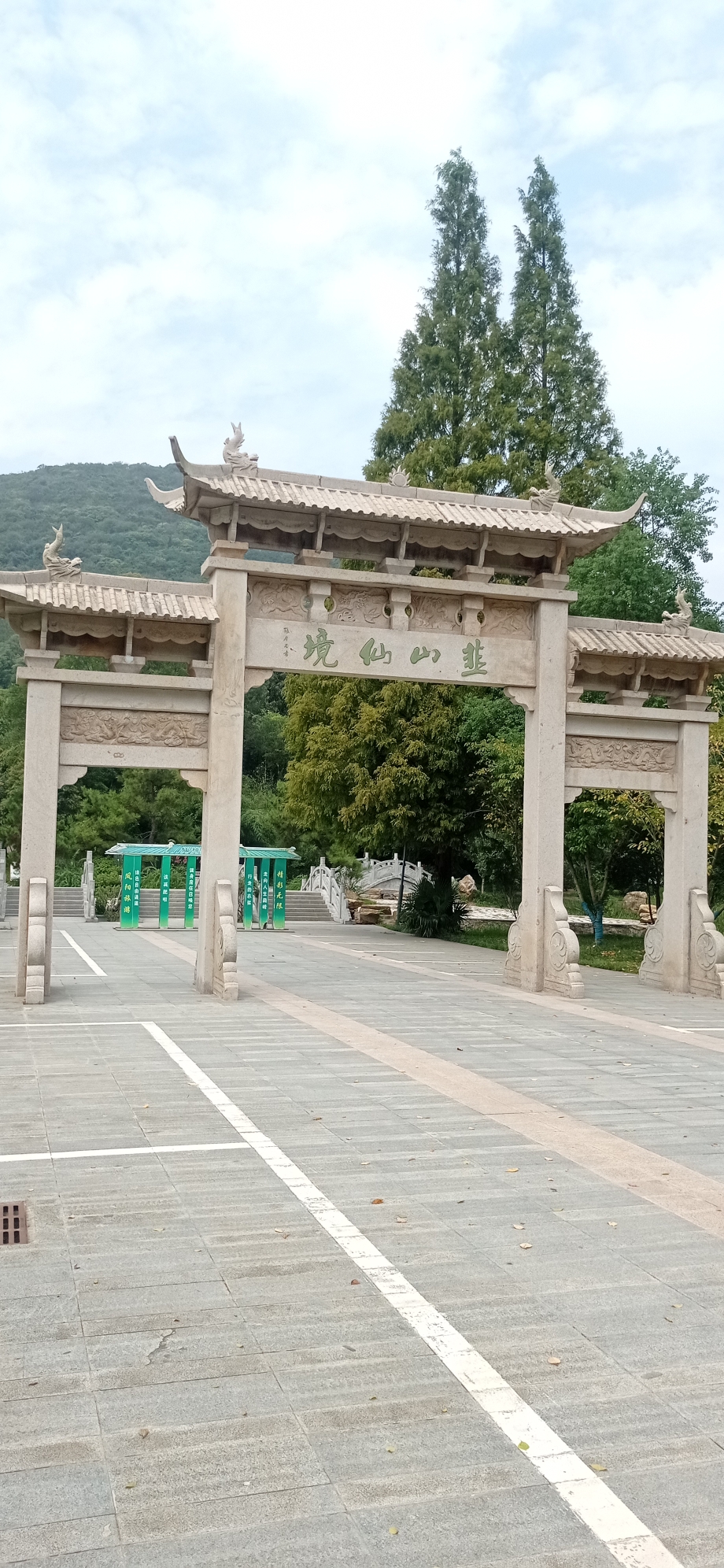
殷涧镇韭山凤阳山
Description
Jiushan (Fengyang Mountain) National Geological Park Museum
📍 Address: Within Jiushan Fengyang Mountain National Geopark, Yinjian Town, Fengyang County, Chuzhou City, Anhui Province
🏛️ Type: Integrated natural and cultural geological museum
🌍 Historical Development
Jiushan, historically known as "Fengyang Mountain," is a significant geological structure site in the Huai River basin. According to the Fengyang Prefecture Gazetteer, this region has served as a renowned Taoist retreat since the Han Dynasty. During the Ming Dynasty, it gained sacred status as the "cradle of imperial rise" due to the birthplace of Emperor Taizu Zhu Yuanzhang in Xuyi (now part of Fengyang County). In 1998, Jiushan was designated a national geopark, and in 2004 officially joined the UNESCO Global Geoparks Network, becoming the only world-class geological heritage site in eastern Anhui.
🏛️ Architecture and Layout
The museum is built into the mountainside, adopting the traditional Huizhou architectural style with Ming and Qing dynasty influences—blue bricks, gray tiles, and staggered horse-head walls harmoniously blending with the surrounding karst landscape. The complex comprises four main sections: the main exhibition hall, specialized display galleries, a digital experience zone, and an outdoor geological science trail. Core exhibitions focus on "karst evolution," "fossilized ancient life," and "crustal movements," using multimedia interactions, 3D models, and authentic specimens to systematically illustrate strata changes spanning approximately 500 million years from the Cambrian Period to the Cenozoic Era.
🪨 Key Artifacts and Significance
- Fusulinid Fossil Assemblage: Well-preserved marine sedimentary fossils revealing ecosystems of the Paleozoic Era;
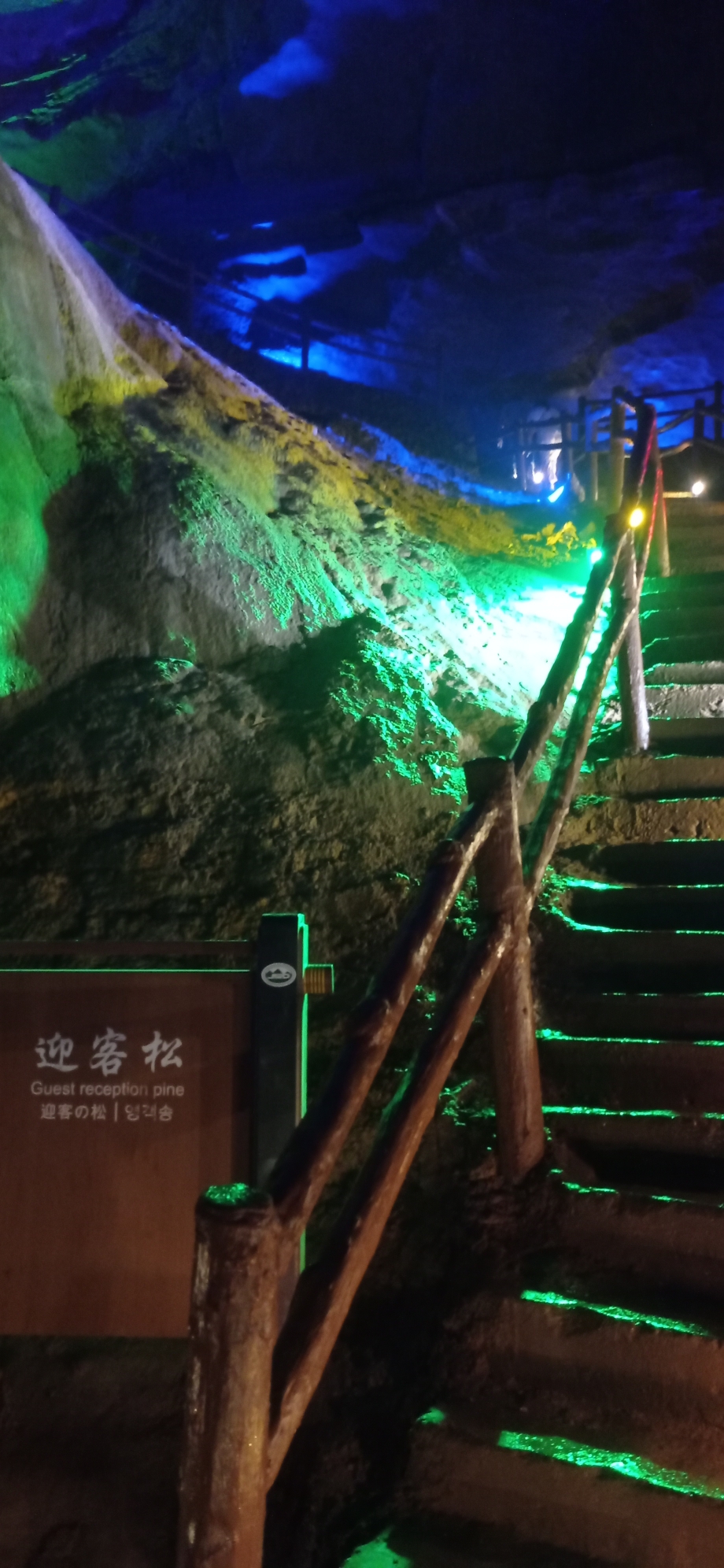
- Stalactite Specimens: Typical karst deposits sourced from Jiushan’s caves, possessing high scientific and visual value;
- Ancient Human Activity Remains: Chipped stone tools discovered at nearby Paleolithic sites indicate human presence during the Neolithic period;
- Ming Dynasty Stele: The "Record of Fengyang Mountain" stele located in the museum’s exterior plaza serves as a crucial historical document for studying regional religious beliefs and geographical understanding.
🌿 Cultural Significance
As one of the symbolic "dragon veins" of the Great Ming Dynasty, Jiushan embodies the Chinese civilization's philosophical pursuit of "harmony between humanity and nature." Its geological landscapes intertwine with historical memory, reflecting a profound dialogue between natural evolution and human culture. It stands as a comprehensive landmark integrating scientific education, ecological conservation, and cultural heritage preservation.
🚶 Visitor Information
- Opening Hours: 9:00–17:00, Tuesday through Sunday (closed Mondays)
- Admission: Free (reservation required)
- Transportation: From Hefei or Nanjing, take the Shanghai–Xi’an Expressway, transfer to the Hebei–Bengbu Expressway, exit at Fengyang, approximately 1.5 hours by car
- Recommended Visit Duration: 1.5–2 hours
- Facilities Available: Guided tours, accessible pathways, educational research base
📌 Reminder: Touching exhibits is prohibited; flash photography is not allowed when photographing fossil specimens.