Mother Temple (Niangniang Temple)

Address
汤岗子街道
Description
Mother Temple (Niangniang Temple)
📍 Location: Tanggangzi Subdistrict, Anshan City, Liaoning Province
🏯 Historical Origins
The Niangniang Temple, originally known as the Tianhou Palace, was first constructed during the Qianlong period of the Qing Dynasty (circa 1750), making it one of the significant folk religious sites in eastern Liaoning. According to the Haicheng Chronicles, it was initially built by fishermen for blessings and protection from disasters, dedicated primarily to Mazu (the Heavenly Empress). Over time, due to the popular local appellation "Niangniang" (Mother Lady), the temple came to be known as Niangniang Temple. The site has undergone multiple renovations, with the most extensive rebuilding occurring during the Guangxu era of the Qing Dynasty and the Republican period. At its peak, it served as a vital religious and cultural hub along key water and land routes in southern Liaoning.
🏛️ Architectural Features
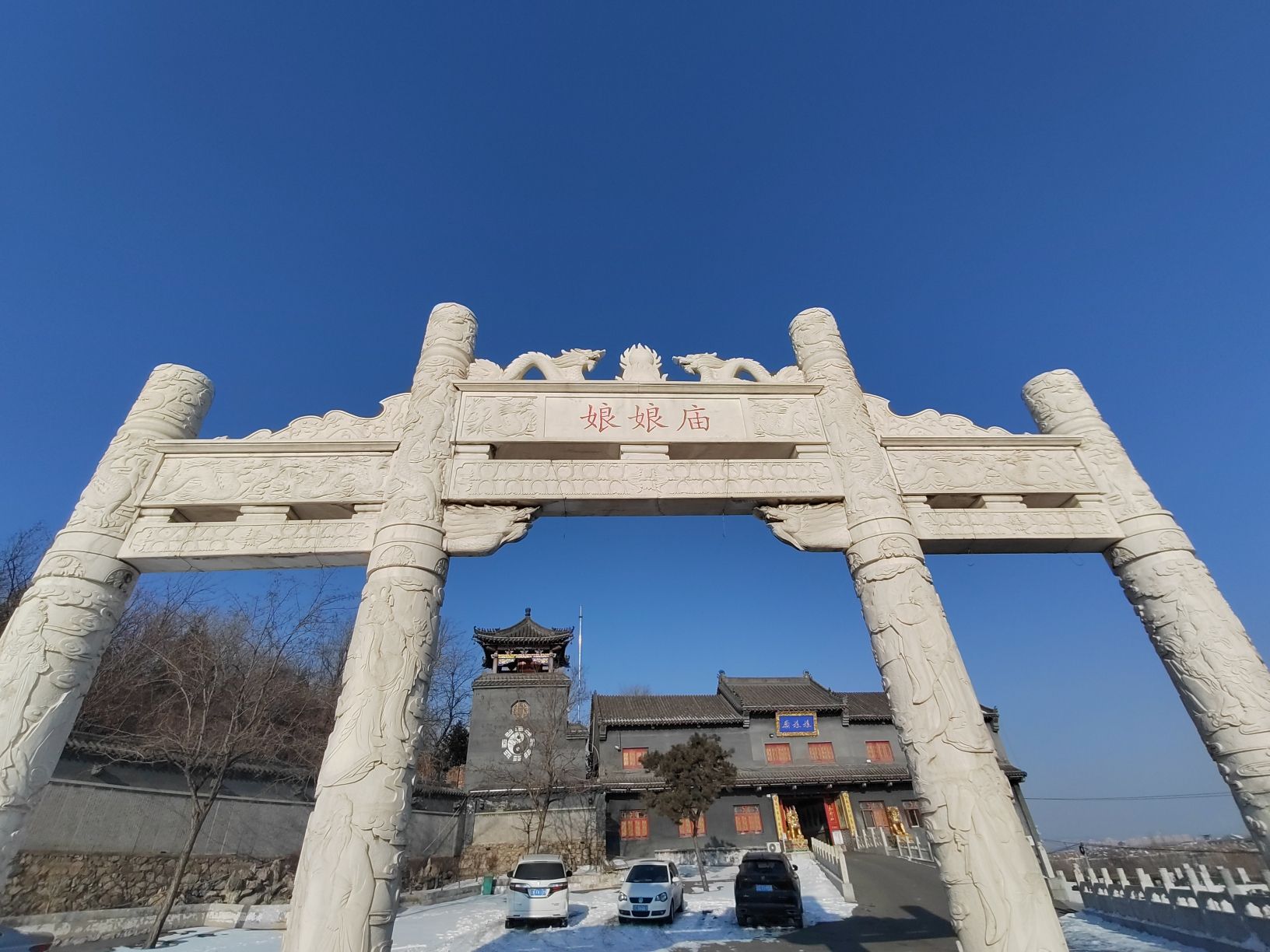
The current architectural complex was reconstructed in the 1980s on the original site in the style of the Qing Dynasty, covering approximately 3,200 square meters with a symmetrical central axis layout. The main structures include the mountain gate, bell and drum towers, main hall, side halls, and wing rooms in the rear courtyard. The main hall spans three bays, features a hip roof covered with glazed tiles, and displays exquisite painted eaves and intricately carved beams adorned with traditional motifs such as dragons, phoenixes, and auspicious clouds. Inside, a golden statue of Mazu sits in solemn repose, flanked by statues of the Thousand-Eyed and All-Hearing Deities. A bronze incense burner and stone offering altar stand before the altar, evoking a timeless atmosphere.
📜 Cultural Relics and Remnants
The temple houses a stele inscribed in 1902 (the 28th year of Emperor Guangxu’s reign), titled “Record of the Restoration of the Tianhou Palace,” which details the temple’s historical development and lists donors, holding considerable historical value. Additional artifacts include several Qing Dynasty copper bells, incense burners, and wooden shrine fittings, all officially registered and documented by cultural heritage authorities. In front of the temple, an ancient well remains—legend holds it was dug at the time of the temple’s construction. Its clear, fresh water is still potable today.
🌸 Cultural Significance
The Niangniang Temple stands as a crucial testament to the spread of Mazu worship in Northeast China, reflecting the fusion of maritime culture and inland folk traditions. Each year on the 23rd day of the third lunar month—the birthday of Mazu—a grand temple fair is held, drawing large numbers of devotees. The festivities feature dragon and lion dances, chanting rituals, and prayers for blessings, and have been designated as a municipal intangible cultural heritage project by Anshan City.
🧭 Visitor Information
- Opening Hours: 6:00 AM – 6:00 PM daily (open all year round)
- Admission: Free entry
- Transportation: Take a bus within Anshan city to the “Tanggangzi Station,” then walk about 1.2 kilometers; or drive and navigate to “Tanggangzi Niangniang Temple”
- Recommended Visit Duration: 45–60 minutes
🕊️ Gentle Reminder: Please respect religious customs—no loud talking or photography inside the halls. Use designated areas for incense burning.