Temple of the Flower Goddess
Address
通海大道
Description
Temple of the Flower Goddess 🌸
📍 Address: Tonghai Avenue, Kunming City, Yunnan Province (near the western shore of Dianchi Lake)
🏛️ Historical Background
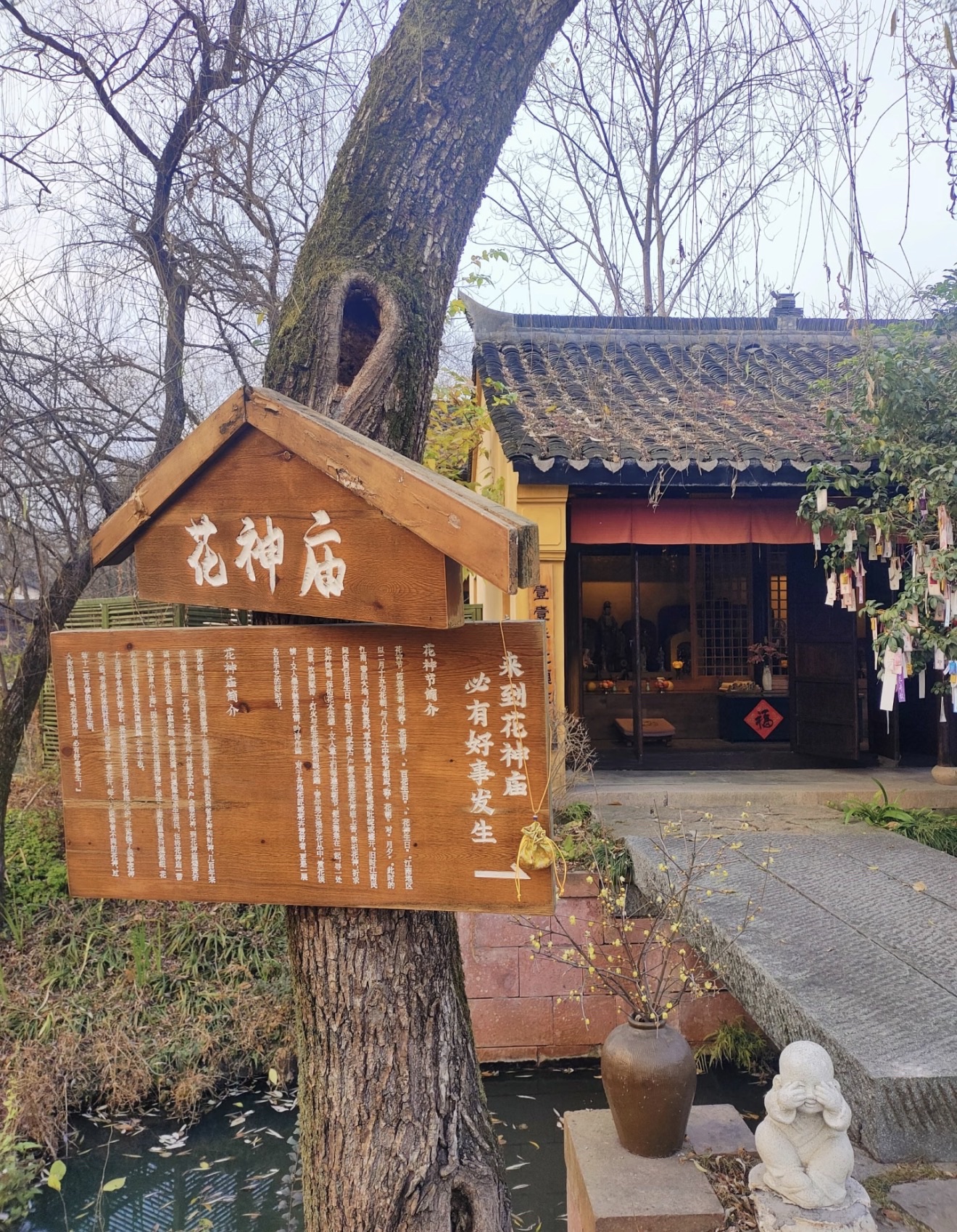
The Temple of the Flower Goddess was originally constructed during the Ming Dynasty and is one of the most intact ancient temples in Kunming dedicated to the deity of flowers. According to the Kunming Prefecture Gazetteer, the temple was initially known as the "Flower Goddess Shrine," devoted to Huagun, the goddess who governs all blossoms. During the Ming and Qing dynasties, local scholars and residents held grand sacrificial ceremonies here every year on the 12th day of the second lunar month—the Flower Festival—praying for favorable weather and abundant blooming. The temple underwent major renovations during the Guangxu era of the Qing Dynasty, preserving numerous traditional architectural elements and inscribed stone steles.
🏘️ Architectural Features
Facing south with its back to the north, the temple is built into the hillside, arranged in a three-part courtyard layout covering approximately 800 square meters. The main structures include the Great Hall, subsidiary halls, and a bell and drum tower, constructed using traditional timber-frame architecture with hip roofs covered in blue tiles. The eaves curve upward elegantly, adorned with intricate carvings and painted beams. On either side of the front stone steps stand a pair of imposing Qing Dynasty stone lions, while the entrance lintel bears a carved plaque inscribed “Temple of the Flower Goddess” in bold, powerful calligraphy. Inside the temple, a stone stele dated to the 23rd year of Daoguang’s reign records the history of the restoration in detail, holding significant historical value.
🖼️ Cultural and Heritage Significance
- A centuries-old ginkgo tree stands within the courtyard, over 300 years old, with twisted branches and golden foliage in autumn, forming a signature landmark of the site.
- The Great Hall houses a statue of the Flower Goddess, accompanied by exquisite murals depicting the “Splendor of a Hundred Flowers,” characterized by fluid lines and refined coloring—representative works of late-Qing folk religious art.
- The temple preserves a hand-copied manuscript detailing the ritual procedures for flower goddess worship from the Qing Dynasty, now recognized as a municipal intangible cultural heritage project.
🌿 Visitor Information
- Opening Hours: 8:00–18:00 daily (open all year round)
- Admission: Free entry (some exhibitions require prior reservation)
- Transportation: Take Kunming Metro Line 1 to “Erjilu Station,” then transfer to the Tonghai Special Bus; or drive directly using GPS navigation to “Temple of the Flower Goddess”
- Recommended Visit Duration: 1.5 hours
- Special Experiences: Springtime Flower Festival folk activities, ginkgo photography, and hands-on workshops featuring intangible cultural heritage crafts
✨ Tip: The best time to visit is spring (March–April), coinciding with the Flower Festival period when the temple grounds are bathed in delicate floral shadows, creating a rich atmosphere of tradition and natural beauty.
The Temple of the Flower Goddess is not only a vital repository of Kunming’s historical memory but also a living testament to the fusion of traditional agrarian culture and nature worship—well worth a thoughtful visit for every traveler passionate about history and culture.