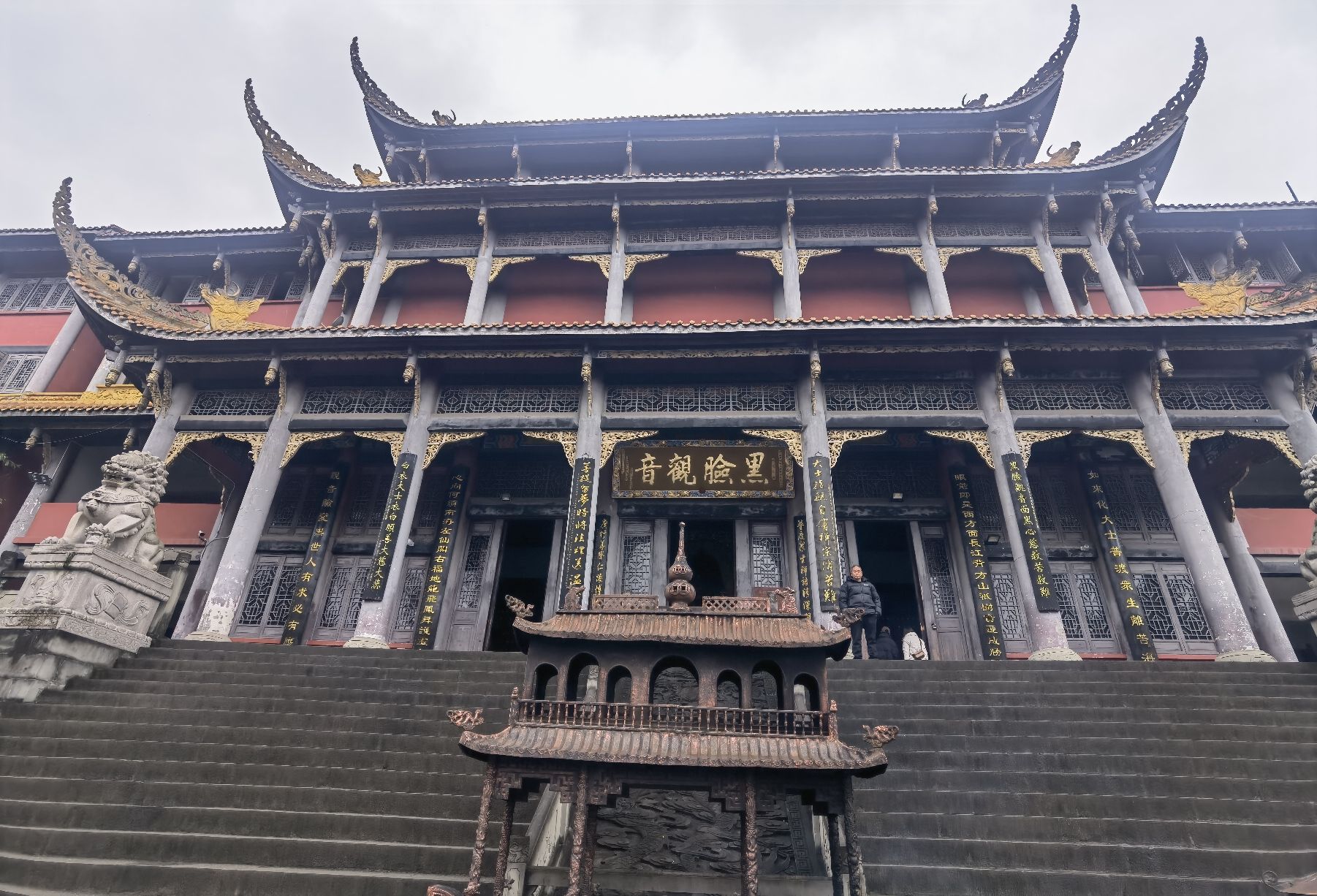
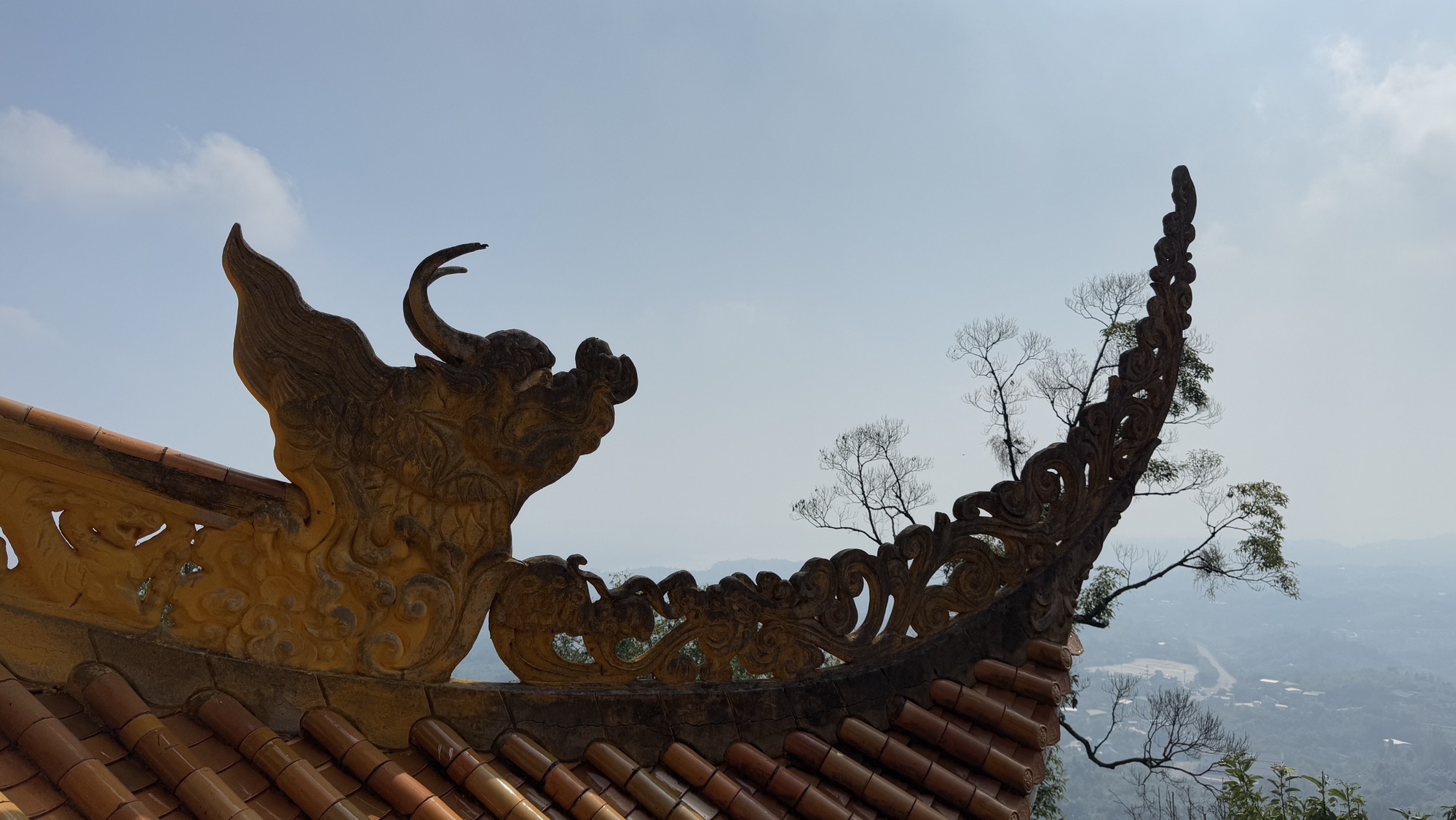
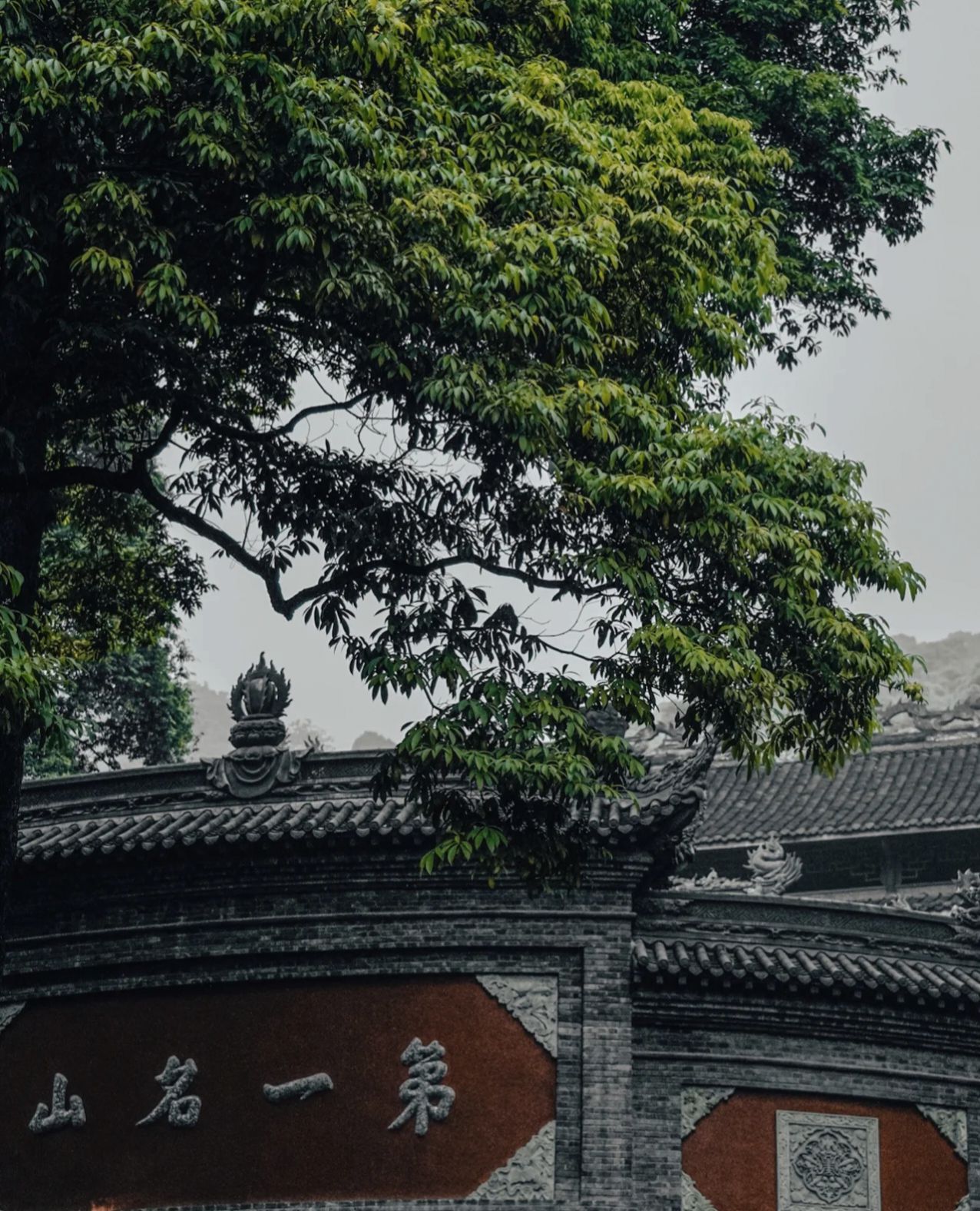
Black-Faced Guanyin of Fangshan Mountain
📍 Location: Northwest corner of Fangshan Scenic Area, Jiangning District, Nanjing City, Jiangsu Province
⏱ Opening Hours: 8:00–17:00 daily (extended to 18:00 during peak season)
🎫 Ticket Information: Free admission (some religious activity areas within the scenic zone require prior reservation)
🏯 Historical Origins
The Black-Faced Guanyin of Fangshan Mountain, also known as "Black-Faced Guanyin" or simply "Black Guanyin," is a rare surviving example of Ming Dynasty Buddhist sculpture in southern China. According to records in the Jiangning Prefecture Annals and inscriptions on steles at Fangshan Temple, this statue was originally carved during the Chenghua period of the Ming Dynasty (1465–1487). It was commissioned by local gentry and chiseled into the cliff face of Fangshan’s basalt rock as a rock-carved image dedicated to the Bodhisattva Guanyin. The distinctive blackened facial appearance results from centuries of natural weathering and smoke exposure from incense burning. Folk legends attribute miraculous powers to it—protecting the people, exorcising evil spirits, and manifesting divine intervention—earning it the revered title of "Venerable Guanyin."
🪨 Architectural and Cultural Features
- Sculptural Style: Standing approximately 2.3 meters tall, the statue depicts Guanyin seated in solemn meditation, with a deep expression, gently lowered brows, and flowing robes rendered through delicate low-relief carving directly onto the natural basalt cliff.
- Material and Craftsmanship: Carved from locally sourced basalt rock, finely polished and originally painted, the statue has remarkably survived over five centuries despite relentless exposure to wind and rain.
- Associated Remains: Surrounding the site are two Qing Dynasty restoration steles, an ancient incense burner, and remnants of stone steps, testaments to the enduring devotion of pilgrims across generations.
🌿 Cultural Significance
- It is the only extant Ming Dynasty rock-carved "Black-Faced Guanyin" in southern China, holding exceptional value for religious art and historical research.
- Reflects the evolution of the Guanyin image in Ming-era folk belief—balancing strength and compassion—highlighting the syncretic cultural characteristics of Confucianism, Buddhism, and Taoism in the region.
- Designated as a protected cultural heritage site by Nanjing Municipal Government (officially listed in 2009), it stands as a key landmark along Fangshan Mountain’s historical and cultural axis.
🚶 Travel Information
- Best Time to Visit: Early morning or late afternoon in spring or autumn, when soft lighting enhances the spiritual aura of the statue.
- Transportation Guide: Take Nanjing Metro Line 1 to "Tianlongsi Station," transfer to bus D18 heading to "West Gate of Fangshan Scenic Area"; or drive using GPS navigation to "Guanyin Rock, Northwest Corner of Fangshan Scenic Area."
- Visitor Tips: Please observe respectful behavior at religious sites; do not climb or touch the statue, and strictly prohibit bringing fire sources into the area.
✨ Travel Tip: During the 19th day of the second lunar month—the birthday of Guanyin—local devotees hold traditional blessing ceremonies. Visitors are welcome to experience authentic folk rituals.