Puzhao Mountain Temple
Luzhou💎💎💎
加载中...
📍 Address: Puzhao Mountain, Naxi District, Luzhou City, Sichuan Province
Puzhao Mountain Temple was originally established in the Liang Dynasty of the Southern Dynasties (502 AD), making it over 1,500 years old and one of the oldest surviving Buddhist temples in southern Sichuan. According to the Luzhou Prefecture Gazetteer, the temple was initially named "Puzhao Chan Yuan" (Puzhao Monastery), named for its lofty mountain location and the morning sunlight that bathes the peak. The temple has been repeatedly destroyed and rebuilt throughout history, with the most extensive reconstruction occurring during the Hongzhi era of the Ming Dynasty, followed by a major expansion in the Guangxu period of the Qing Dynasty, which shaped its current layout. More than ten inscribed steles from the Ming and Qing dynasties remain within the temple grounds, meticulously recording each renovation’s history—valuable physical evidence for studying the spread of Buddhism in southwestern China.
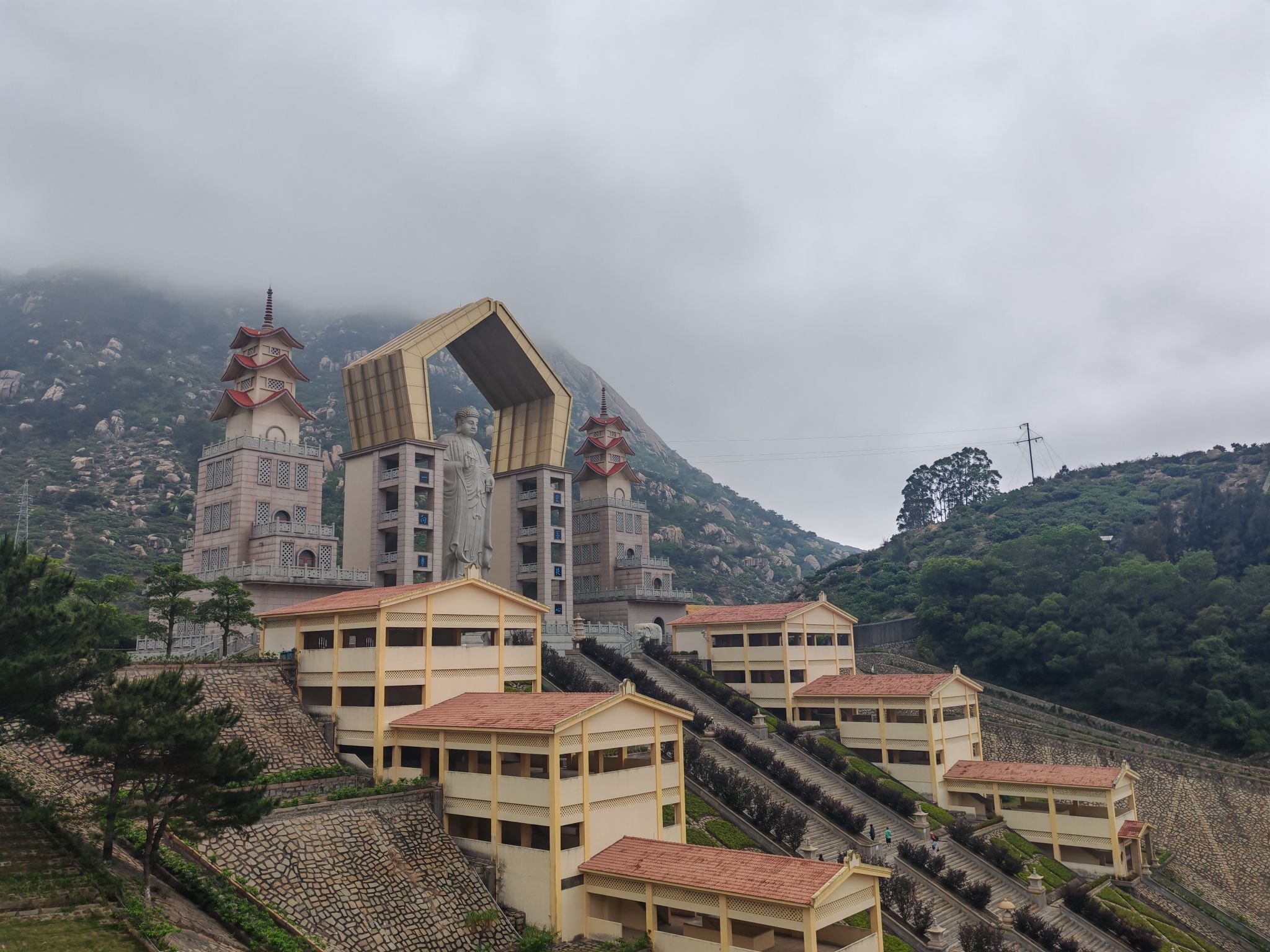
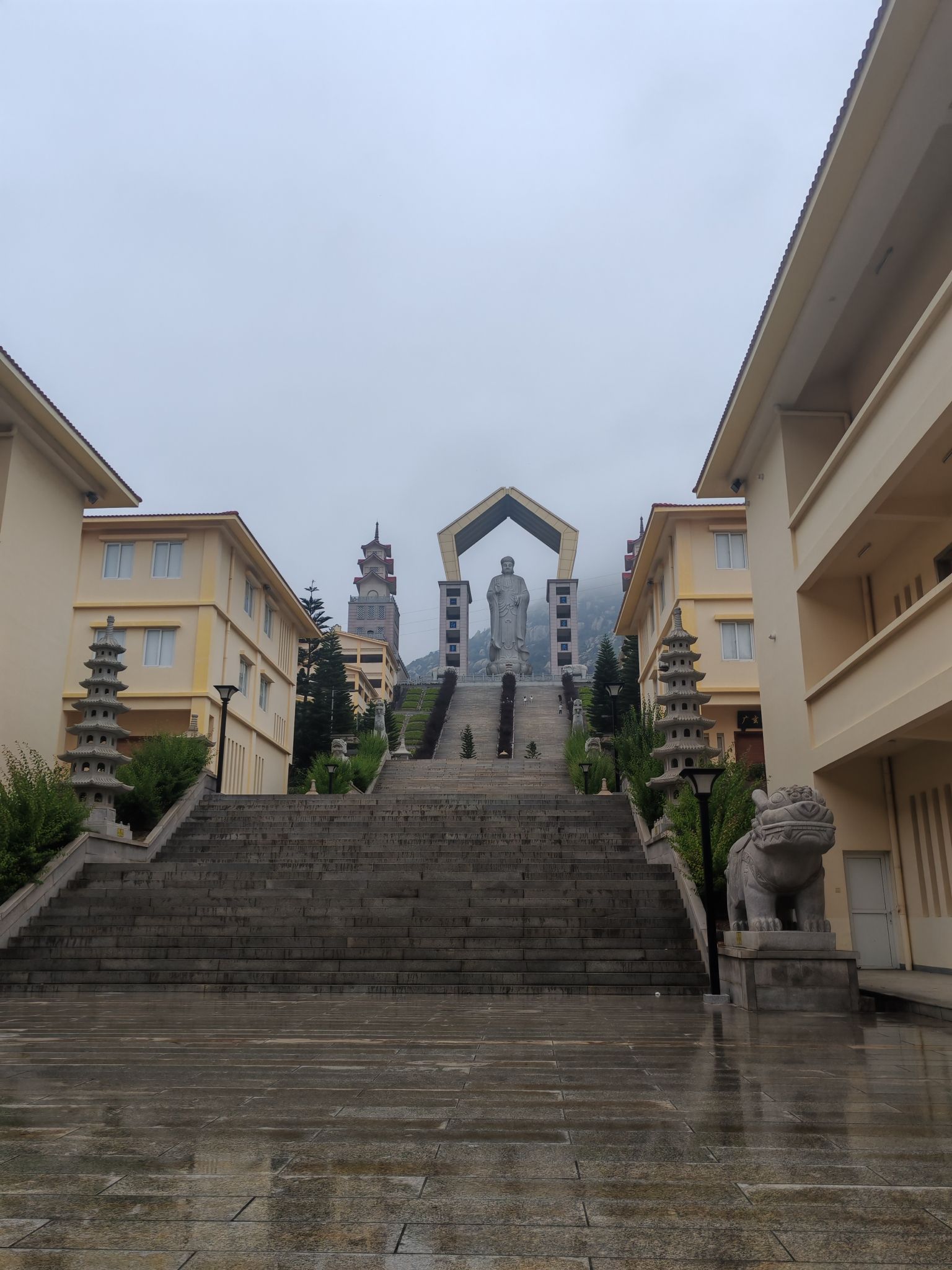
Built into the mountainside and facing south with a symmetrical axial layout, the temple complex includes the main gate, Hall of the Four Heavenly Kings, Great Buddha Hall, Guanyin Pavilion, and bell and drum towers—all constructed using traditional mortise-and-tenon wooden frameworks, tiled with blue-gray tiles, and featuring upturned eaves that exude an ancient, solemn elegance. Inside the Great Buddha Hall stand statues of the Three World Buddhas, flanked by eighteen Arhats whose exquisite clay sculptures reflect the artistic style of the Ming Dynasty. A stone tablet inscribed during the Daoguang era of the Qing Dynasty is embedded in the front steps, documenting the temple’s historical evolution and donor records—of significant historical value. Behind the temple, on a cliff face, three Tang Dynasty rock-carved niches remain, depicting Amitabha Buddha and bodhisattvas with delicate craftsmanship; these are designated as provincial-level cultural heritage sites.
Beyond its role as a center of religious practice, Puzhao Mountain Temple stands as a quintessential example of the integration of Confucianism, Buddhism, and Daoism in southern Sichuan. Historically recognized as one of the “Eight Scenic Spots of Luzhou,” it was famed as “Morning Bells of Puzhao.” The temple houses rare artifacts including a fragmentary hand-copied version of the Mahaprajna Paramita Sutra from the Ming Dynasty and a bronze incense burner from the Qing Dynasty, reflecting deep cultural accumulation. Today, it is designated a Key Cultural Heritage Site in Sichuan Province and listed among the priority projects of the “Bashu Cultural Ecological Conservation Experimental Zone.”
🌿 The pulse of human culture echoes through millennia; one incense stick captures the essence of southern Sichuan.