Fangshan Scenic Area · Baofeng Temple
Luzhou💎💎💎
加载中...
📍 Address: Southeast corner of Fangshan Scenic Area, Fangshan Town, Tongshan District, Xuzhou City, Jiangsu Province
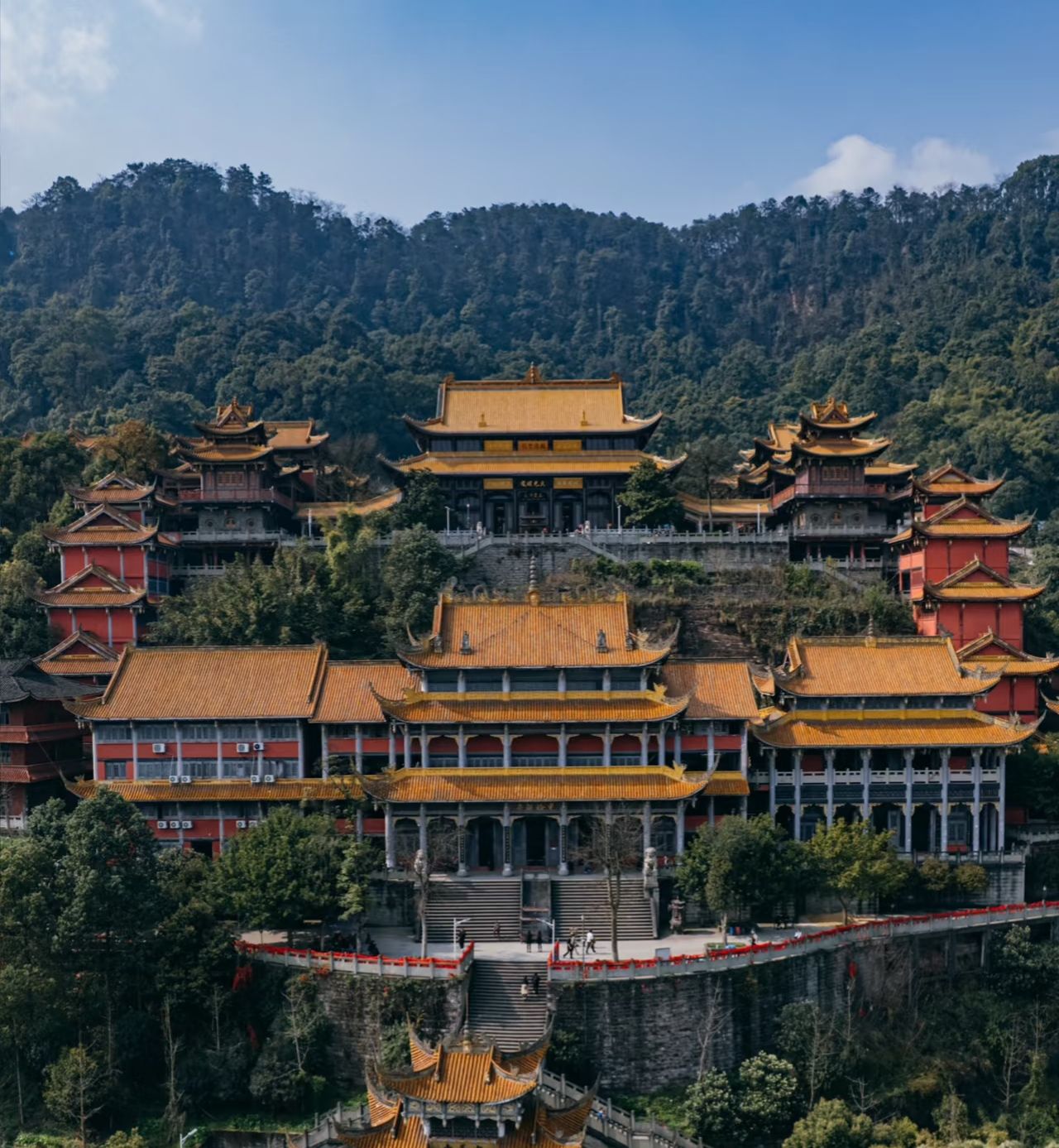
Baofeng Temple was originally established during the Northern and Southern Dynasties period, over 1,500 years ago, making it one of the most significant Chan Buddhist temples in northern Jiangsu. According to the Xuzhou Prefecture Annals, the temple was initially named "Baofeng Yuan," derived from its location atop Fangshan Mountain, surrounded by towering peaks. During the Tang Dynasty, a disciple of the renowned monk Huineng preached here. The temple underwent multiple renovations throughout the Song, Ming, and Qing dynasties, reaching its greatest scale during the Kangxi era of the Qing Dynasty, when it featured nine halls and over a hundred monk residences, serving as a major center for Buddhist activities in the Huaihai region.
The existing structures are primarily from the Ming Dynasty, arranged in a three-part courtyard layout along a central axis, consisting of the Heavenly Kings Hall, Great Buddha Hall, and the Sutra Repository. The Great Buddha Hall spans three bays with a single-eaved hip roof, featuring well-preserved bracket systems and beam frameworks that exemplify typical Ming imperial architectural style. Inside, the hall enshrines a statue of the Buddha Shakyamuni, flanked by eighteen clay sculptures of Arhats, vividly portrayed in dynamic poses—masterpieces of Qing Dynasty polychrome craftsmanship.
Two Ming Dynasty stone steles remain within the temple grounds: one recording the founding history of the temple, the other documenting contributions made during restoration. The inscriptions display strong, elegant calligraphy, holding considerable historical and artistic value. Additionally, a Qing Dynasty bronze bell hangs in the bell tower, inscribed with the complete text of the Diamond Sutra. Its deep, resonant tone can still be heard echoing through the mountains at dawn and dusk.
Beyond its role as a place of worship, Baofeng Temple embodies a profound tradition of integration among Confucianism, Buddhism, and Daoism. Around the temple lie cultural sites such as the “Xinyin Spring” and “Ting Song Pavilion,” believed to have been places of meditation for generations of monks. The scenic view known as “Moonlight Over Fangshan Mountain” is one of the Eight Views of Xuzhou, historically celebrated by poets and scholars who left behind numerous poems and inscriptions carved into stone.
📌 Baofeng Temple — A thousand-year-old chant echoes among the hills, a thread of Chan mindfulness woven into the misty clouds.