Guan Di Temple
Address
纳达齐牛录乡察布查尔镇伊昭公路
Description
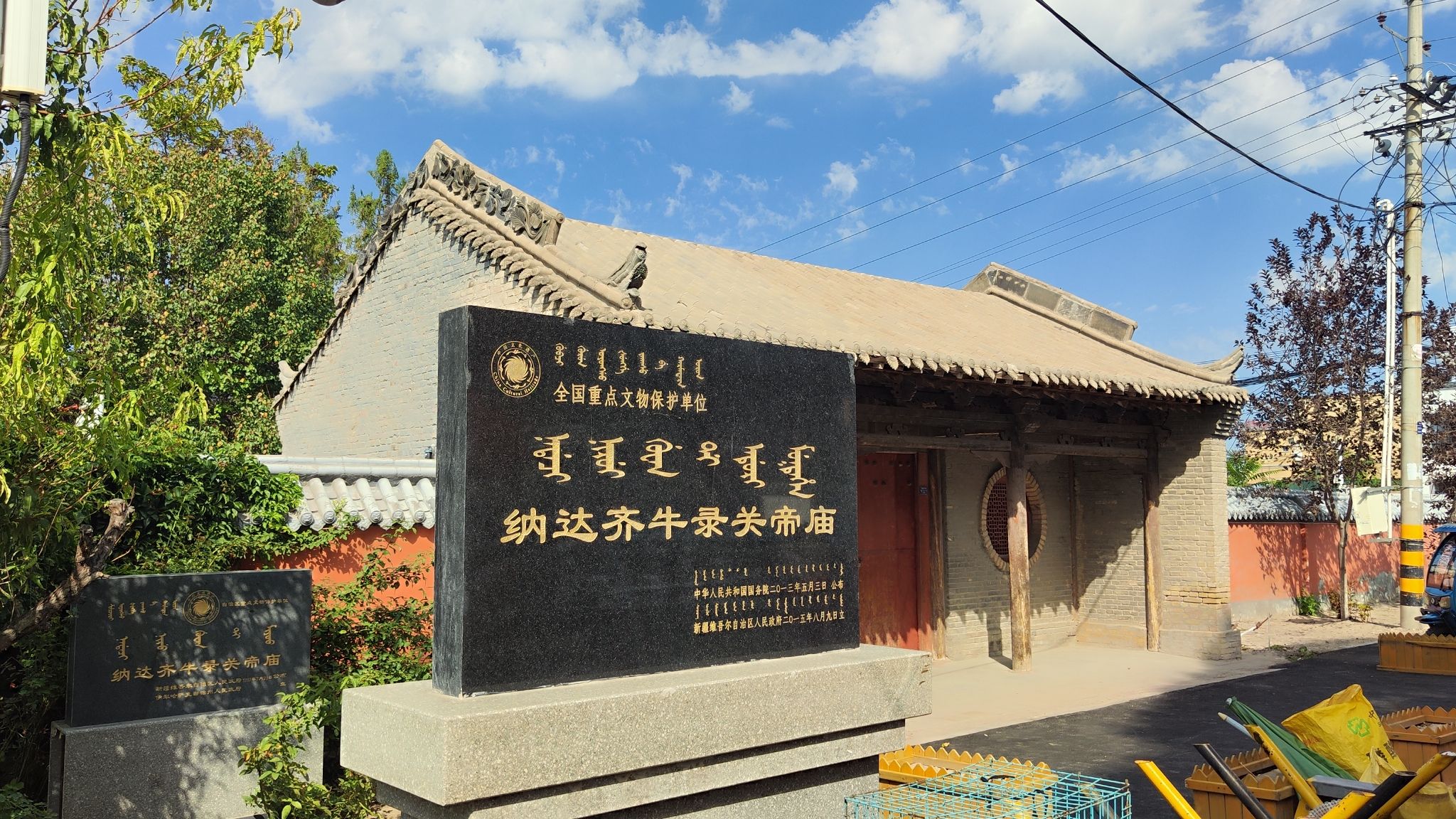
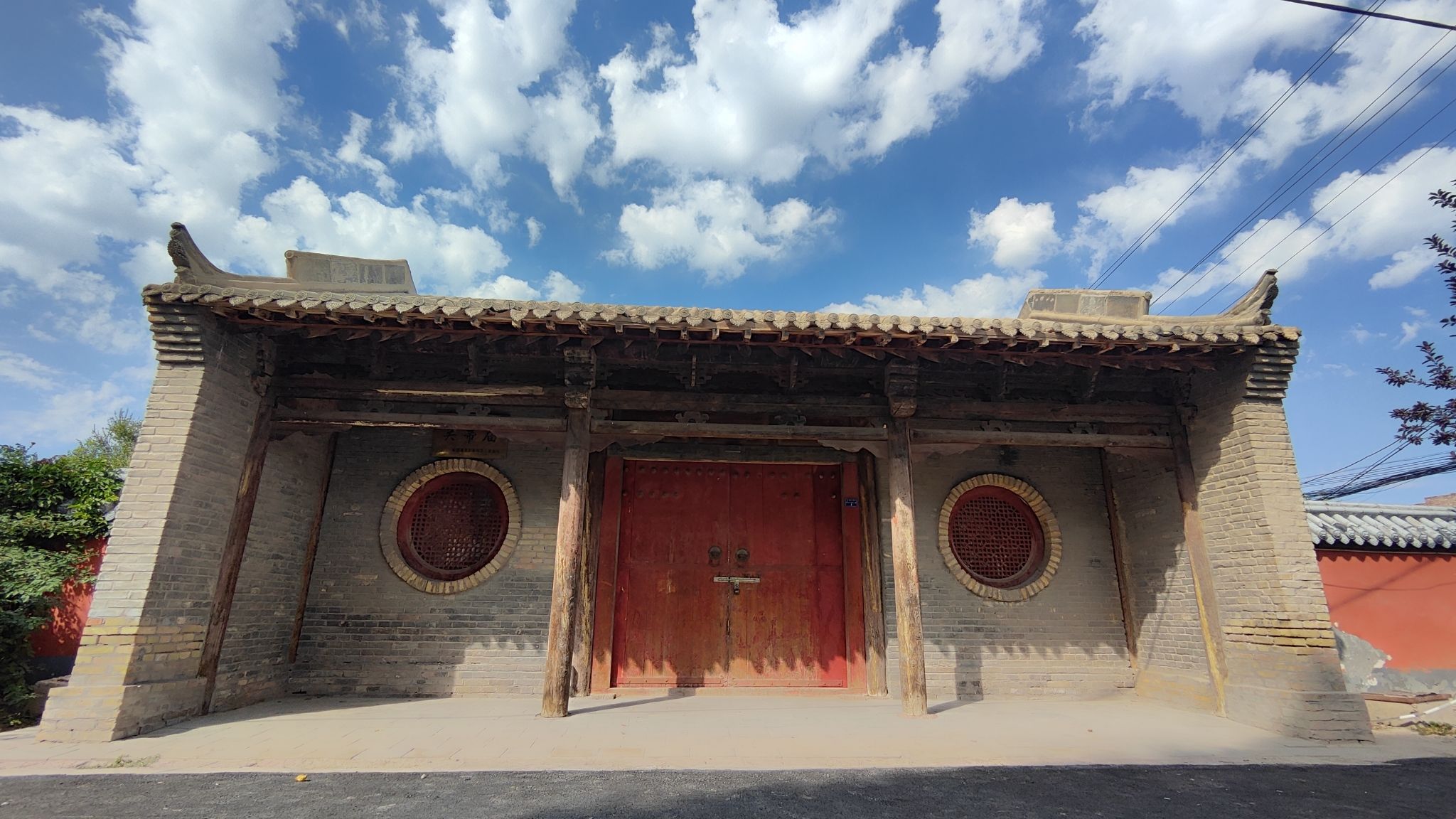
Guan Di Temple 🏯
Address: Along Yizhao Road, Zhaobuchalai Town, Zhaobuqilong Township, Qapqal Xibo Autonomous County, Ili Kazak Autonomous Prefecture, Xinjiang Uygur Autonomous Region
Historical Origins
Built during the Qing Dynasty, Guan Di Temple is one of the most significant historical and cultural heritages in the region inhabited by the Xibo people. As an important testament to the westward transmission of Central Plains culture, the temple embodies the reverence of Qing-era border garrison soldiers and civilians for the ideals of loyalty and righteousness. During the reign of Emperor Qianlong, Xibo troops were dispatched to the western frontier for border defense. They brought with them the veneration of Guan Yu, constructing this temple at their station to honor valor and inspire military spirit. After more than a century of storms and changes, the temple has undergone several restorations and still preserves its authentic Qing Dynasty architectural style and enduring folk religious traditions.
Architectural Features
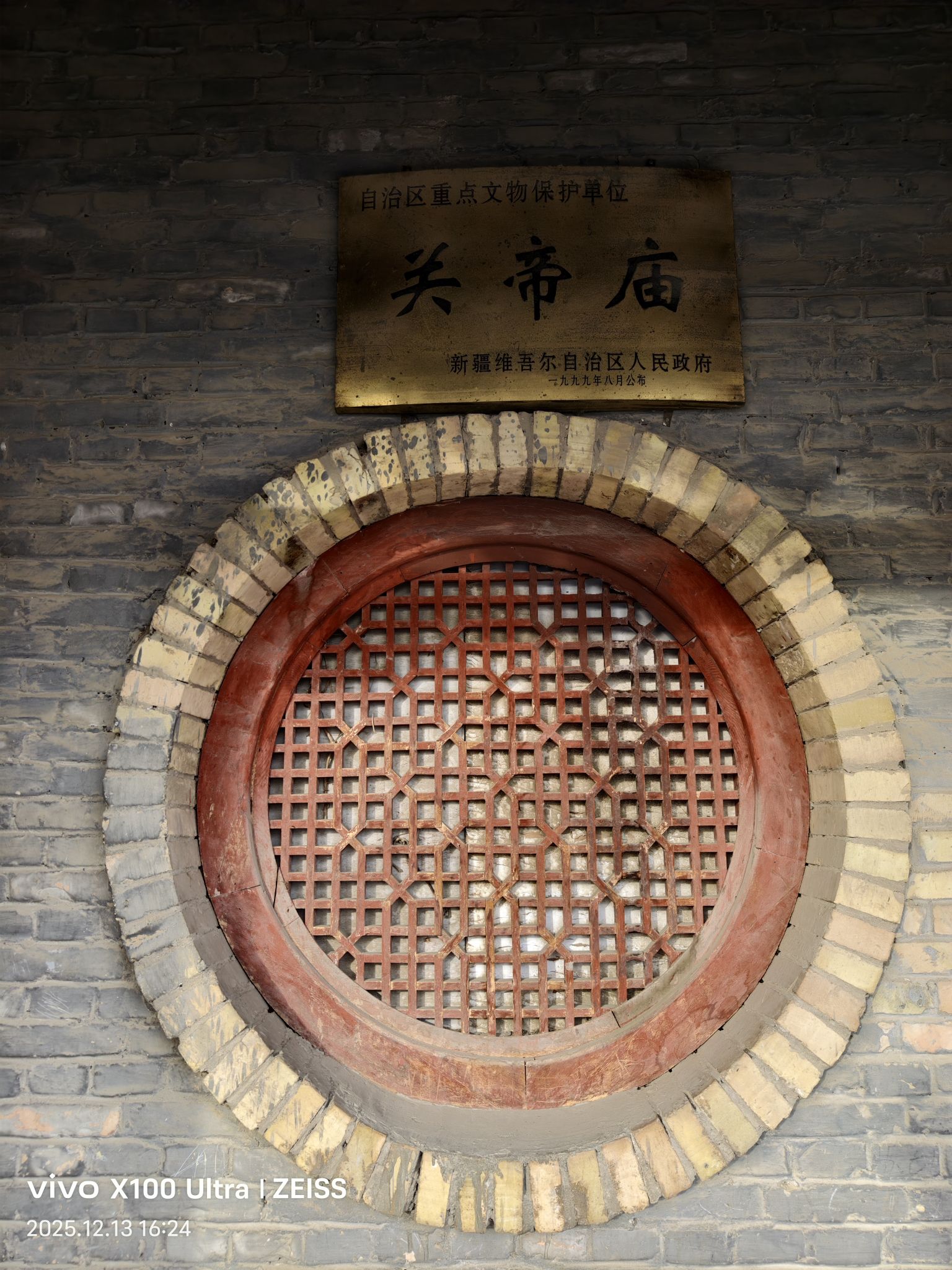
The temple faces south, built against the mountains, covering approximately 600 square meters, following the classic layout of traditional northern Chinese temples. The main structure consists of a mountain gate, main hall, and two side halls. Constructed with blue bricks and gray tiles, it features upturned eaves and ornate roof corners, with beams and rafters adorned with simple yet elegant painted decorations. Inside the main hall stands a golden statue of Lord Guan, flanked by statues of Zhou Cang and Guan Ping. The altar is finely carved, reflecting the high level of craftsmanship in folk art during the Qing Dynasty. Stone tablets in front of the temple bear inscriptions such as "Loyalty and Righteousness Through the Ages" and "Mighty Across China," with bold, powerful calligraphy widely admired through generations.
Cultural and Historical Significance
The temple houses a stele from the Guangxu era of the Qing Dynasty titled "Record of the Restoration of Guan Di Temple," which details the construction history and lists donors. This invaluable artifact provides crucial evidence for studying Xibo history, migration culture, and the integration of diverse religions. Every year on the 24th day of the sixth lunar month—the birthday of Guan Gong—local residents hold grand sacrificial ceremonies featuring dragon dances and traditional Xibo folk songs, perpetuating the millennia-old legacy of loyalty and righteousness and demonstrating the profound influence of Chinese culture in border regions.
Visitor Information
- Opening Hours: Open year-round (9:00–18:00 daily)
- Admission: Free
- Transportation: Approximately 70 kilometers from Yining City; travel along Yizhao Road (G218) to Zhaobuchalai Town, then follow signs for about 3 kilometers
- Recommended Visit Duration: 45–60 minutes
🌿 More than a place of worship, this site is a living museum of ethnic integration and cultural heritage—worth visiting with quiet reflection.