Dongliang Central Temple
Address
喀尔墩乡东梁街
Description
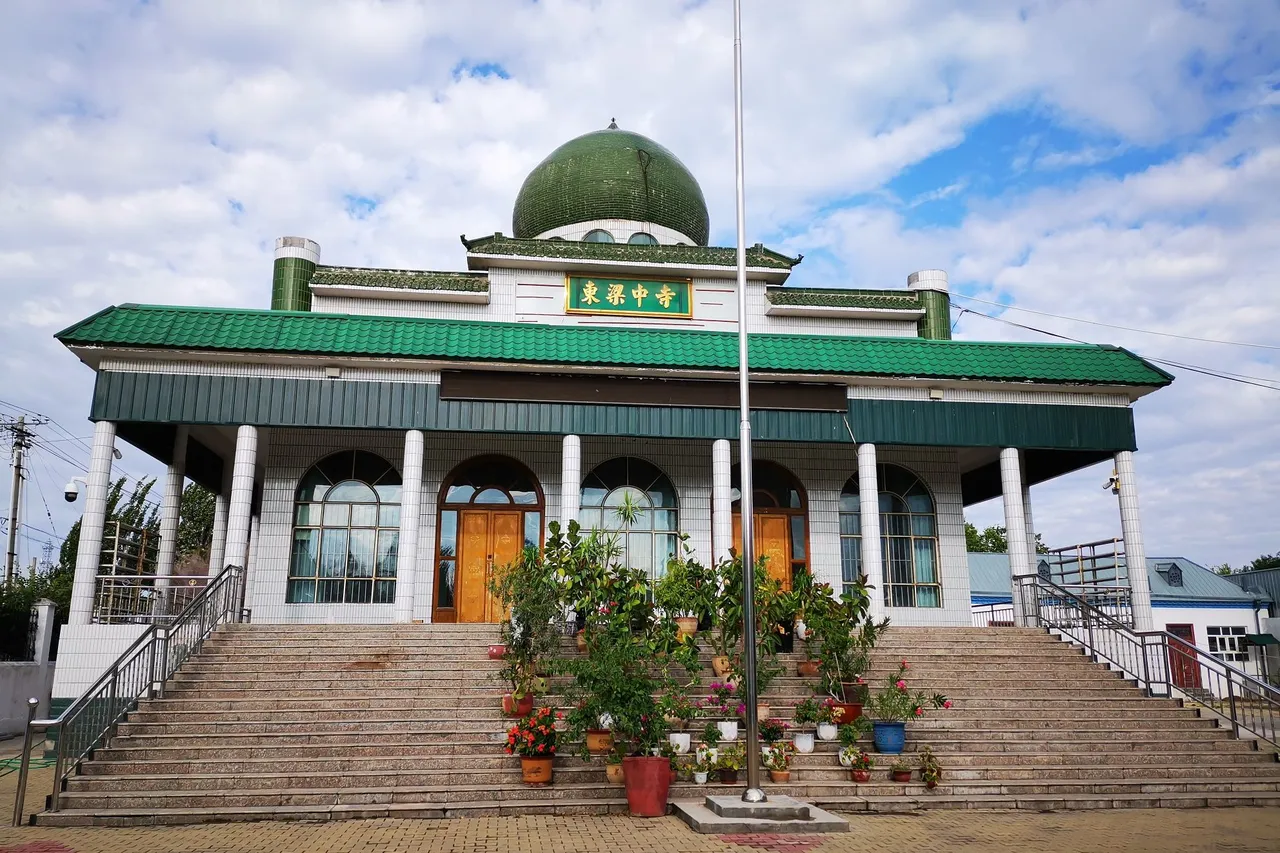
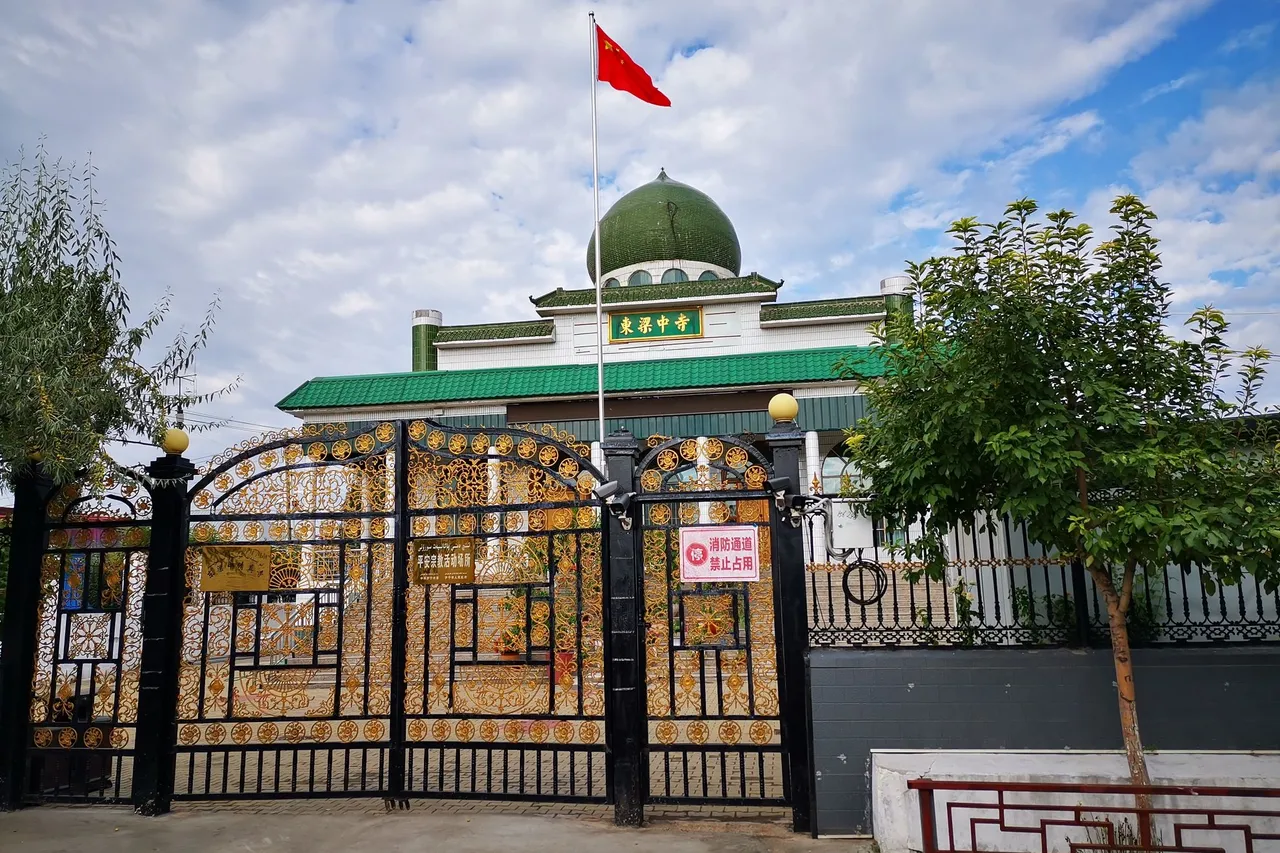
Dongliang Central Temple 🏯
📍 Location: Dongliang Street, Kardun Town, Hohhot County, Yili Prefecture, Xinjiang Uyghur Autonomous Region
📜 Historical Background
The Dongliang Central Temple was established during the Tang Dynasty, with a history of over 1,300 years. It is one of the important Buddhist relics along the Northern Silk Road. According to the "Records of the Western Regions" and local chronicles, the temple was once one of the religious centers of the ancient Gaochang Uyghur Kingdom, with over a hundred monks in its heyday, and its fame spread throughout the southern and northern Tianshan Mountains. Although it has undergone wars and changes during the Ming and Qing dynasties, it has continued to serve as an important venue for regional religious activities to the present day.
🏛️ Architectural Style
The temple faces south and is built on a mountain slope, with an overall layout of a "three-compartment courtyard" structure. The existing structures include the main hall, the library, the bell and drum tower, and the ruins of monk's quarters. The main buildings are constructed of rammed earth, brick, and wood, with glazed tiles on the ridge, copper bells hanging at the eaves, creating a clear sound in the wind, and leaving a lingering resonance. The surviving murals in the hall depict Buddhist birth stories, with smooth lines and colors predominantly in ochre and green, showcasing the typical style of the Western Hexi region during the Tang Dynasty.
🖼️ Cultural Relics
- Tang Dynasty Stone Sculpture Buddha Statues (fragmentary pieces): Excavated from the base of the rear hall, the faces are benevolent, and the clothing patterns are simple, providing physical evidence for the study of early Han Buddhist art.
- Bilingual Inscriptions in Han and Uyghur Script: Erected at the entrance of the mountain, they record the reconstruction process during the Yuan Dynasty and are precious documents for studying the cultural exchanges between multiple ethnic groups.
- Qing Dynasty Copper Bell: Approximately 1.2 meters tall, with inscriptions that read "Pray for national peace and the welfare of the people, forever blessing the people," currently displayed on the temple square.
🌟 Cultural Value
The Dongliang Central Temple is a microcosm of the confluence of diverse civilizations along the Silk Road, witnessing the historical trajectory of Buddhism's spread from the Central Plains to the Western Regions. Its architectural style, mural art, and multilingual inscriptions reflect the deep integration of the Han, Uyghur, Mongolian, and other ethnic groups in religion, art, and language, and hold high historical, artistic, and archaeological value. It was listed as a provincial-level cultural heritage site in 2014.
🚶♂️ Tourist Information
- Opening Hours: 9:00–18:00 (open year-round, no rest on holidays)
- Admission: Free (requires real-name registration)
- Transportation: Take a bus or taxi from Hohhot County for about 20 minutes to reach the temple
- Suggested Visiting Duration: 1.5 hours
- Notes: Please respect the religious site, no noise, and do not touch the cultural relics when taking photos. Keep the environment clean.
🌿 A stream of Buddhist chants winds through the mountains, and the ancient temple reflects the slanting sun. Come here to listen to the wind chime at the eaves, observe the wall traces of time, and feel the profound breath of Silk Road civilization.