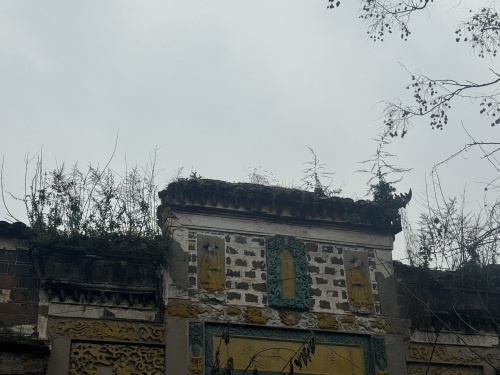
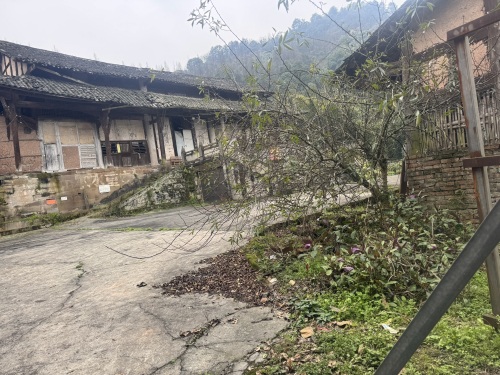
Dama Temple 🏯
📍 Location: Near 012 Country Road, Huayang Street, Tianfu New Area, Chengdu, Sichuan Province
📅 Historical Background: The Dama Temple was originally constructed during the Dazhong Xiangfu period of the Northern Song Dynasty (1008 AD), originally named "Dama Yard," named after its location at the foot of Dama Mountain. After several renovations during the Yuan, Ming, and Qing dynasties, it is one of the relatively well-preserved Song Dynasty Buddhist temples in the western Sichuan region and is now a city-level cultural relic protection unit.
🏛️ Historical and Cultural Value
- The existing main buildings were reconstructed in the Qing Dynasty, retaining the architectural styles and construction techniques from the Song Dynasty to the Ming and Qing dynasties.
- The temple houses three Ming Dynasty stone statues of Buddha, Avalokiteshvara, and Mahasthamaprapta, which are solemn and majestic in appearance, finely carved, and possess high artistic and religious research value.
- The "Dama Temple Stele Record" notes that it was an important transmission site for the Linji school of Chan Buddhism in western Sichuan, with numerous great monks emerging over the generations, leaving a profound influence.
🏘️ Architecture and Cultural Relics
- Main Hall: The Great Buddha Hall features a single-eaved, hipped roof, with a raised beam wooden structure, regular eave brackets below, and surviving colored paintings.
- Bell and Drum Towers: Standing opposite each other, they are made of brick and stone, with the drum tower's top still displaying the Qing Dynasty inscription "Wind and Rain Blessing."
- Ancient Well: Behind the temple is a spring, traditionally believed to have been dug by a Song Dynasty monk, with crystal-clear water still used by pilgrims today.
- Stele Group: There are five existing Ming and Qing Dynasty steles, covering topics such as temple construction records, renovation annals, and donation records, serving as important physical materials for studying local religious and social history.
🌿 Cultural and Tourism Information
- Opening Hours: 7:00–18:00 daily (year-round)
- Admission: Free admission (voluntary donation for incense)
- Transportation: Take Line 1 of the subway to "Huayang Station," transfer to bus 163 to "Dama Temple Station," and walk about 500 meters.
- Touring Suggestions: Allow approximately 1.5 hours; you can combine the visit with a walk around the nearby "Dama Mountain Forest Park" to experience the beauty of the fusion of nature and culture.
📌 Tips: Smoking and noise are strictly prohibited in the temple. Please maintain silence and respect religious etiquette during your visit.
The Dama Temple is not only a thousand-year-old ancient temple but also a living history inscribed in bricks and tiles, eagerly awaiting those who are destined to pause and read it.