Lingqiu Yuantong Temple
Address
东河南镇东河南村
Description
Lingqiu Yuantong Temple 🏯
📍 Location: Dongnan Town, Dongnan Village, Lingqiu County, Datong City, Shanxi Province
📜 Historical Background
The Lingqiu Yuantong Temple was originally constructed during the Taihe period of the Northern Wei Dynasty (477-499 AD), making it one of the earliest extant Buddhist temples in the North China region, with a history of over 1,500 years. According to the "Lingqiu County Record," it was initially named "Yuantong Yuan" and was named after the worship of the Goddess of Mercy. The temple has been repeatedly reconstructed over the centuries, with the most significant expansion occurring during the Chenghua and Wanli periods of the Ming Dynasty. The temple was once one of the cultural centers of Buddhism in the northern part of Shanxi Province, and it is an important branch of the Wutai Mountain Buddhist system.
🏛️ Architectural Features
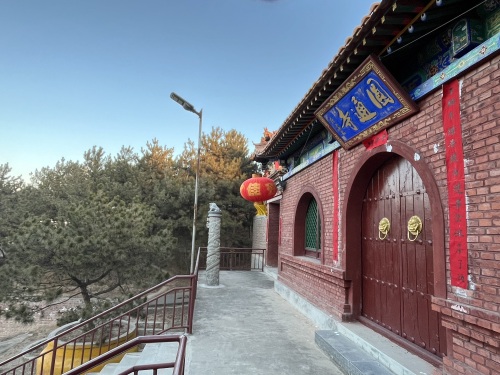
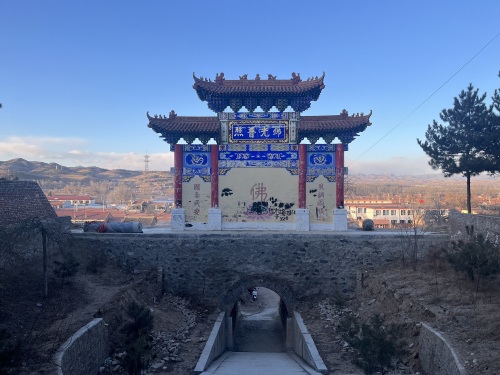
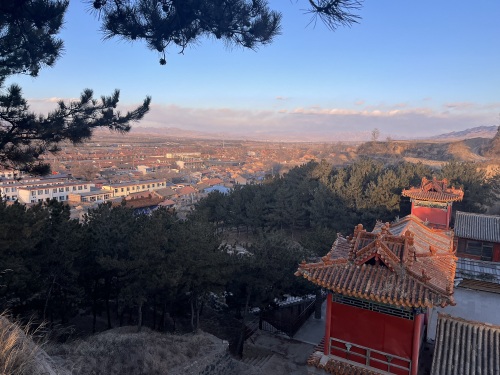
The temple is situated to the north and faces south, built against the mountains, with a strict overall layout and central axis symmetry. The main existing buildings include:
- Hall of the Heavenly Kings: With a width of three bays, a single-eaved hipped roof, and carved stone Buddha figures on the front eaves, the painted beams and lintels are well-preserved.
- Mahavira Hall: The main hall, reconstructed in the Qing Dynasty, features large brackets and a glazed tile roof. Remnants of Ming Dynasty murals are present inside.
- Bell and Drum Towers: Opposite each other to the east and west, these ancient structures are simple in form. The bell tower houses a Ming Dynasty iron bell with a deep, resonant sound that can be heard for miles.
- Guanyin Pavilion: Located in the rear courtyard, it enshrines the thousand-armed and thousand-eyed Guanyin, a fine Qing Dynasty wood carving.
🏺 Cultural Relics
- Tang Dynasty Stone Buddha Heads: Excavated from the temple site, these have benevolent expressions and are representative of the flourishing Tang Dynasty style.
- Three Ming Dynasty Stele Inscriptions: They record the history of the temple and its reconstruction, with strong calligraphy and significant historical value.
- Two Ancient Ginkgo Trees: It is believed that they were planted during the Northern Wei Dynasty, with an age of over a thousand years. Their golden leaves in autumn create a spectacular sight known as "Lingqiu's Unique Scenery."
🌟 Cultural Value
The Yuantong Temple is a precious physical witness to the spread of Buddhism, architectural art, and the evolution of local beliefs from the Northern Wei Dynasty to the Ming and Qing Dynasties. It embodies the unique style of the integration of Han Buddhist culture and the culture of the northern ethnic minorities, reflecting the blending of central and frontier civilizations. It was listed as a National Key Cultural Relic Protection Unit in 2013.
🚶 Tourism Information
- Opening Hours: 8:00–17:30 (open year-round)
- Admission: Free (registration required to enter the temple)
- Transportation Suggestion: Take a bus from the Datong city area to Lingqiu County, then transfer to a rural bus to Dongnan Village. Walk about 1 kilometer to reach the temple.
- Best Visiting Season: Spring and autumn (April to May, September to October), with pleasant weather and a profound ancient temple atmosphere.
🕊️ Tourist Tips: Please respect the religious site, avoid loud noises, and do not climb ancient buildings.