Gailan Temple Ancient Shrine
Address
安徽省滁州市天长市
Description
Gailan Temple Ancient Shrine 🏯
📍 Address: Tianchang City, Chuzhou City, Anhui Province
🕰️ Historical Development:
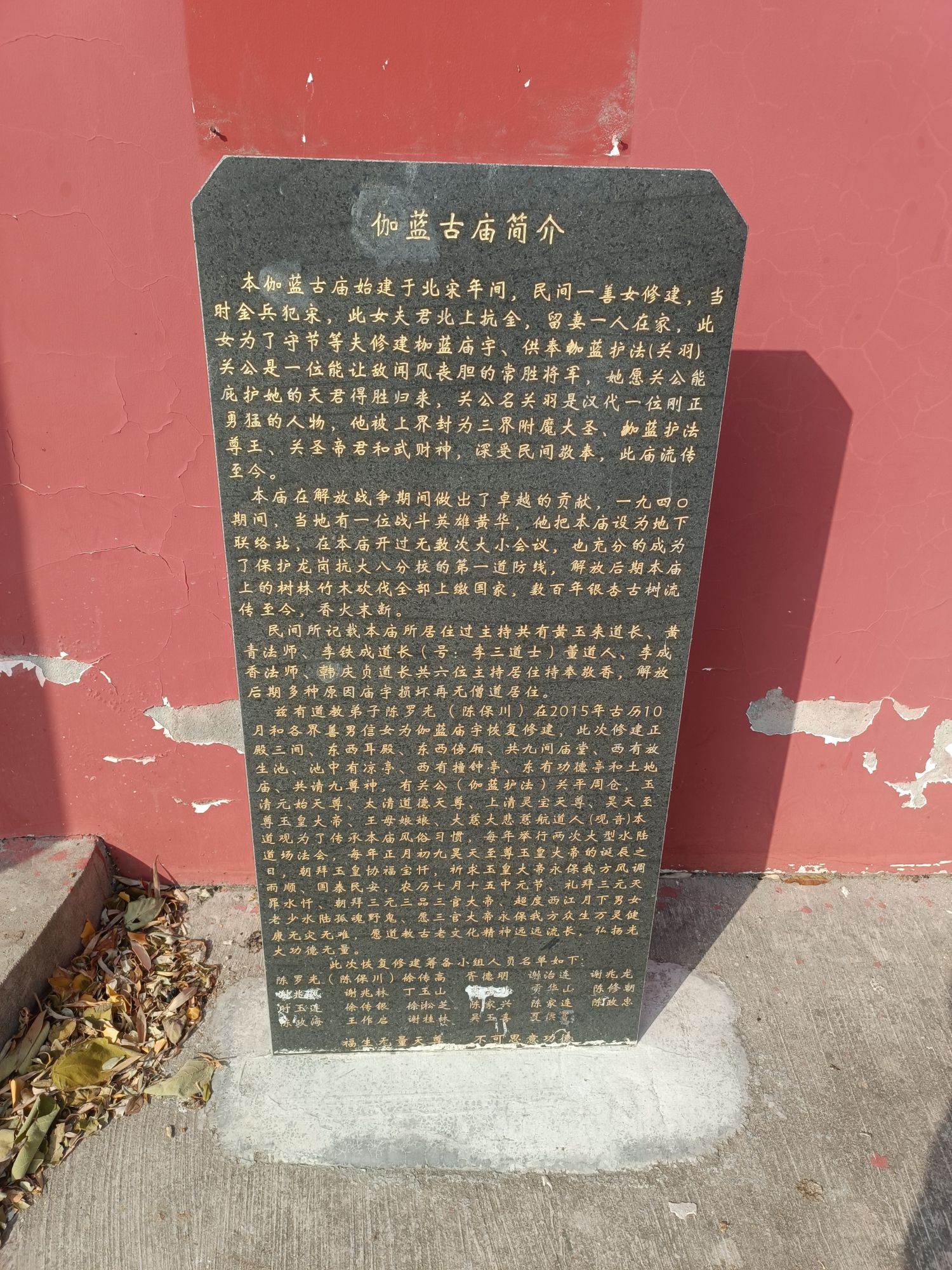
Gailan Temple was originally established during the reign of Emperor Wu of the Southern Liang Dynasty (502–549 AD), making it over 1,500 years old and one of the oldest surviving Buddhist temples in eastern Anhui. Initially named Lingying Chan Monastery, it later took its current name, "Gailan Temple," due to its veneration of the Guardian Bodhisattva (Galan). The temple has undergone multiple renovations through the Tang, Song, Yuan, Ming, and Qing dynasties, with the most significant reconstruction occurring during the Chenghua period of the Ming Dynasty. It was further restored during the Guangxu era of the Qing Dynasty, preserving its present form.
🏛️ Architectural Features:
The existing structures reflect Ming and Qing architectural styles, facing south and built into the hillside with a symmetrical central axis layout. Key buildings include:
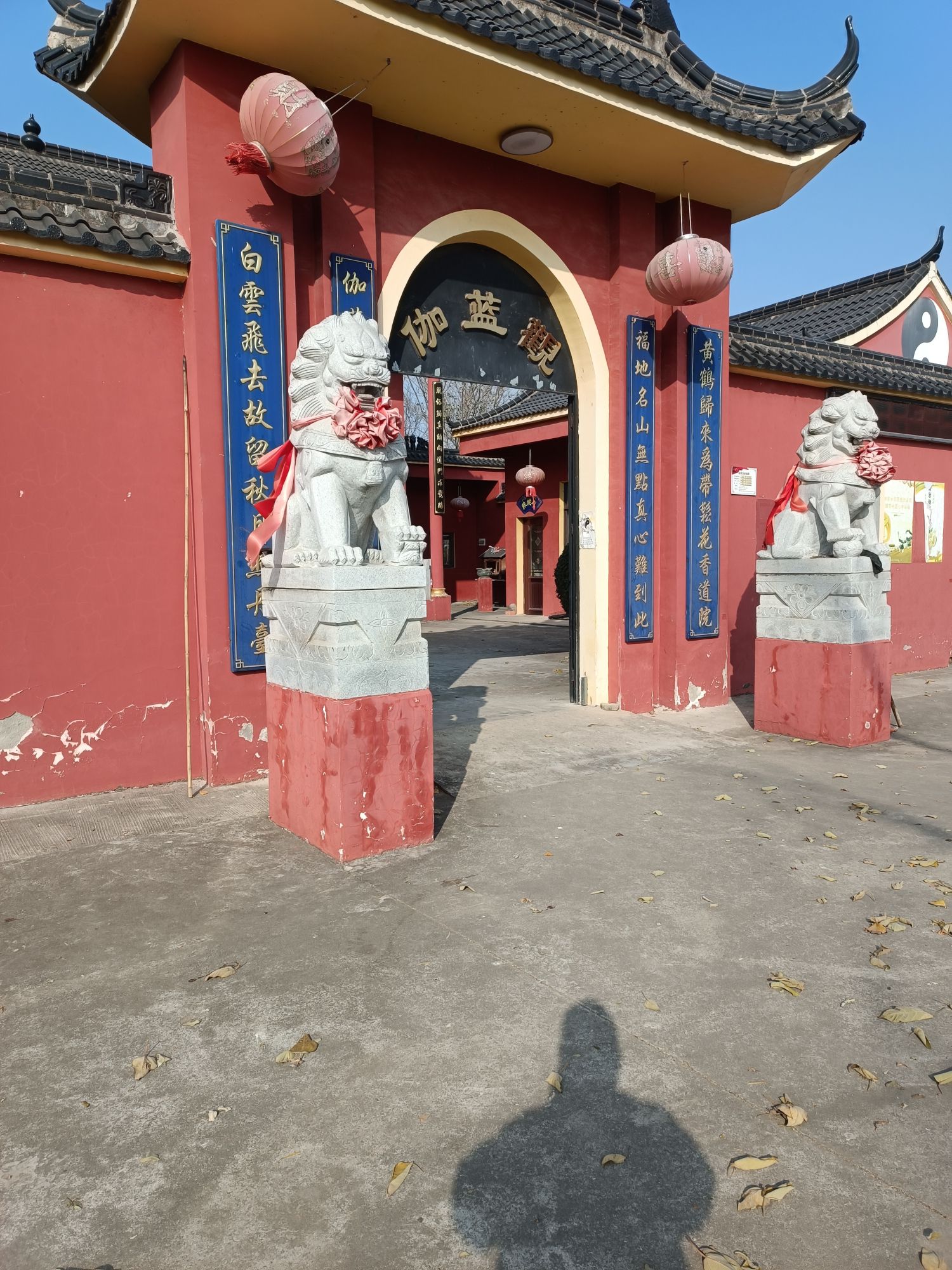
- Mountain Gate Hall (featuring a prominent plaque inscribed “Gailan Temple” in bold regular script)
- Heavenly Kings Hall (housing statues of the Four Heavenly Kings, with well-preserved colorful murals)
- Great Buddha Hall (a single-eaved hip-roof structure with intricate bracket systems; enshrined within are the Three World Buddhas)
- Sutra Repository (originally used by monks for storing scriptures, now converted into a Buddhist culture exhibition hall)
📜 Cultural Relics and Remnants:
- Tang Dynasty Stone Carved Buddha Statue (approximately 1.8 meters tall, with an inscription on the lotus base reading “Year Datan III”)
- Ming Dynasty Bronze Bell (cast in the 17th year of Chenghua, inscribed with details of the temple’s restoration history)
- Hand-copied Manuscript of the Gailan Temple Chronicles from the Qing Dynasty (a unique copy documenting the lineage of abbots and doctrinal transmission across generations)
- Over ten stele inscriptions, among which the stele titled “Record of the Restoration of Gailan Temple” from the 23rd year of Guangxu is particularly valuable.
✨ Cultural Significance:
Gailan Temple serves as a vital physical testament to the spread of Buddhism in the Huai River region, ancient architectural craftsmanship, and folk religious traditions. Its distinctive “one temple, two religions” configuration—where Buddhism and Daoism coexist—exemplifies the typical religious syncretism found in southern China. In 2013, it was designated a National Key Cultural Relics Protection Unit.
🎫 Visitor Information:
- Opening Hours: 8:00 AM – 5:30 PM (last entry at 5:00 PM)
- Admission: Free (donations for incense are voluntary)
- Transportation: Take a bus from Chuzhou to Tianchang, transfer to a local shuttle at Tianchang city center, then walk about 15 minutes to the village in front of the temple
- Recommended Visit Duration: 1.5 to 2 hours
- Important Notes: Smoking is prohibited inside the temple grounds; photography of Buddha images is not allowed. Please observe religious etiquette.
📌 Tip: During the fourth day of the fourth lunar month—the Buddha’s Birthday—large-scale rituals are held at the temple, drawing countless pilgrims and offering a vivid display of traditional folk customs.