Fengle Pavilion
Address
南京太仆寺
Description
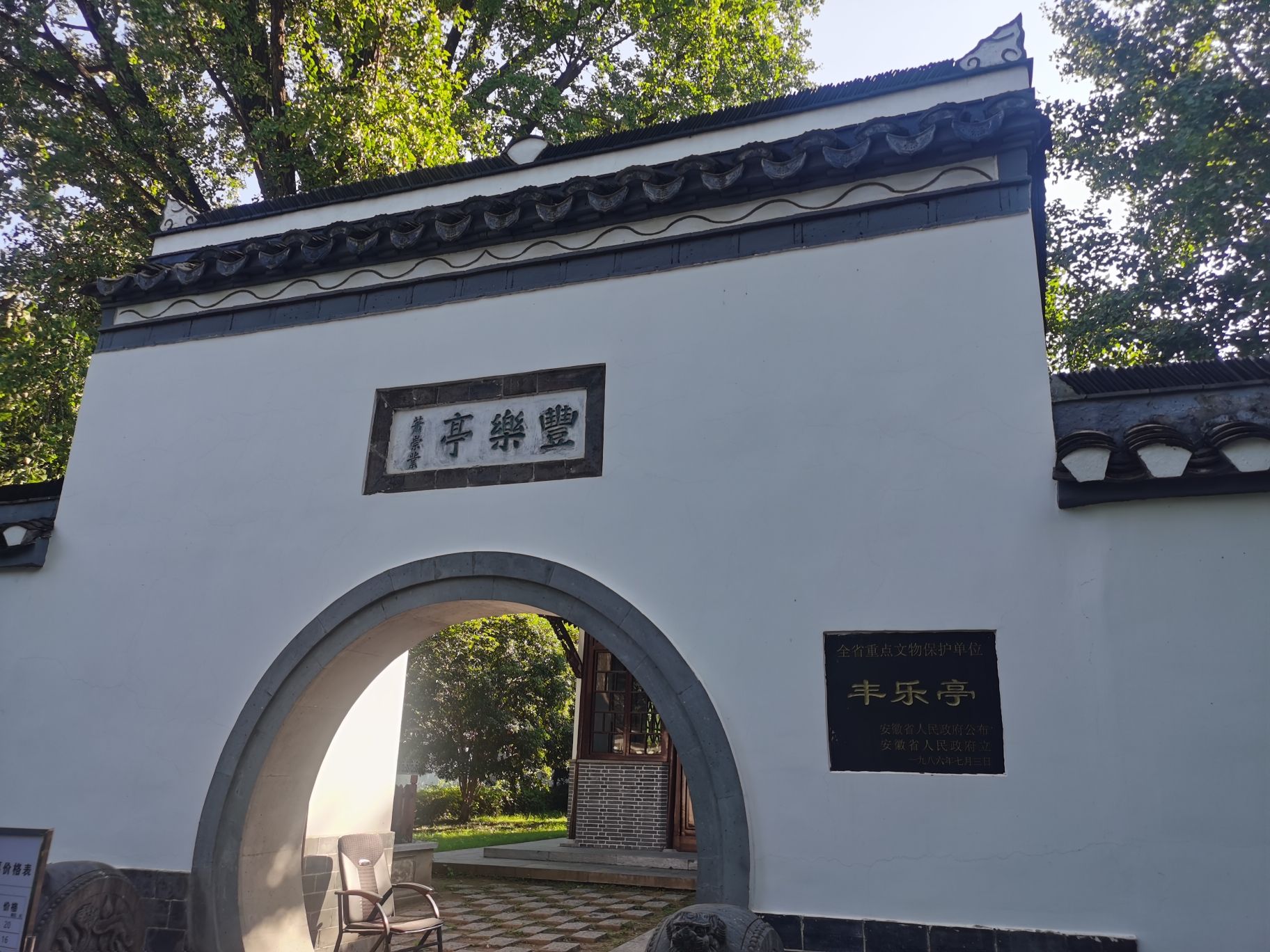
Fengle Pavilion
📍 Address: Taipu Si Street, Qinhuai District, Nanjing City, Jiangsu Province (formerly the site of the ancient Taipu Si)
🏛 Historical Origins
Fengle Pavilion was originally constructed in the 8th year of Qingli during the Northern Song Dynasty (1048), under the supervision of Ouyang Xiu, then Prefect of Chuzhou. Named to symbolize "joy in times of abundant harvest," it was built to commemorate local prosperity and the well-being of the people. Though named "Fengle" (Abundant Joy), the pavilion actually served as a symbolic expression of Ouyang Xiu’s political ideals and humanistic sentiments during his period of exile. It has undergone successive renovations through the Yuan, Ming, and Qing dynasties and stands as one of the rare well-preserved examples of a Song Dynasty scholar's garden in southern China.
🏘 Architectural Layout
The pavilion is a single-eaved hip roof wooden structure, measuring three bays wide and two bays deep, with a total height of approximately 7 meters. Its eaves rise gracefully upward, and the beams and rafters still display traces of Song Dynasty decorative styles. In front of the pavilion lies a stone platform, flanked by Ming Dynasty inscribed steles bearing Ouyang Xiu’s original text of the Fengle Pavilion Inscription. The calligraphy is powerful and elegant, and the stele has been designated a Provincial Cultural Heritage Site in Jiangsu Province. Several ancient cypresses remain within the garden, traditionally believed to have been planted by Ouyang Xiu himself—each over a thousand years old.
🖼 Cultural and Historical Significance
- Stele of the Fengle Pavilion Inscription: Carved in regular script on green stone, the inscription details the customs of Chuzhou and its administrative governance, serving as a vital historical document for studying local administration and the spirit of literati officials during the Song Dynasty.
- Handwritten Calligraphy Reproductions by Ouyang Xiu: A Qing Dynasty copy held in the collection showcases his distinctive style—simple yet methodical and refined.
- The name "Fengle" embodies the Confucian principle that "food is paramount to the people," reflecting the political philosophy of "sharing joy with the common people," making it highly significant both historically and literarily.
🌿 Current Status & Visitor Information
Today, the pavilion is a key protected site within Nanjing’s Historic Cultural District, managed by the Nanjing Municipal Bureau of Cultural Relics, and open to the public year-round. Spanning about 2,000 square meters, the site integrates classical gardens, stele carvings, and ancient architecture, making it a cultural landmark ideal for academic study, heritage exploration, and quiet reflection.
🎫 Admission: Free
🕒 Opening Hours: 8:00–17:30 daily (closed on Mondays)
🚇 Transportation: Take Metro Line 3 to "Changfujie Station," a 10-minute walk; or take bus lines 1 or 5 to "Taipu Si Street Station"
📌 Tip: We recommend visiting in the morning or afternoon to avoid crowds and better experience the serene atmosphere described in the verse: "Mountain light delights the birds, the pool’s shadow clears the heart."