Baolin Temple
Address
仁和集镇芦龙社区王桥村
Description
Baolin Temple
📍 Address: Wangqiao Village, Lulong Community, Renheji Town, Feidong County, Hefei City, Anhui Province
🏯 Historical Origins
Baolin Temple was originally established in the Liang Dynasty (502 CE), making it over 1,500 years old and one of the oldest surviving Buddhist temples in central Anhui. According to the Feidong County Gazetteer, the temple was initially named "Baolin Chan Yuan" (Baolin Zen Monastery), named for its serene mountain setting and natural beauty. Though it has undergone multiple cycles of destruction and reconstruction throughout history, the temple was restored during the Guangxu era of the Qing Dynasty and has remained intact to this day, serving as a significant cultural relic of Buddhist heritage in the Huai River region.
🏛️ Architecture and Cultural Relics
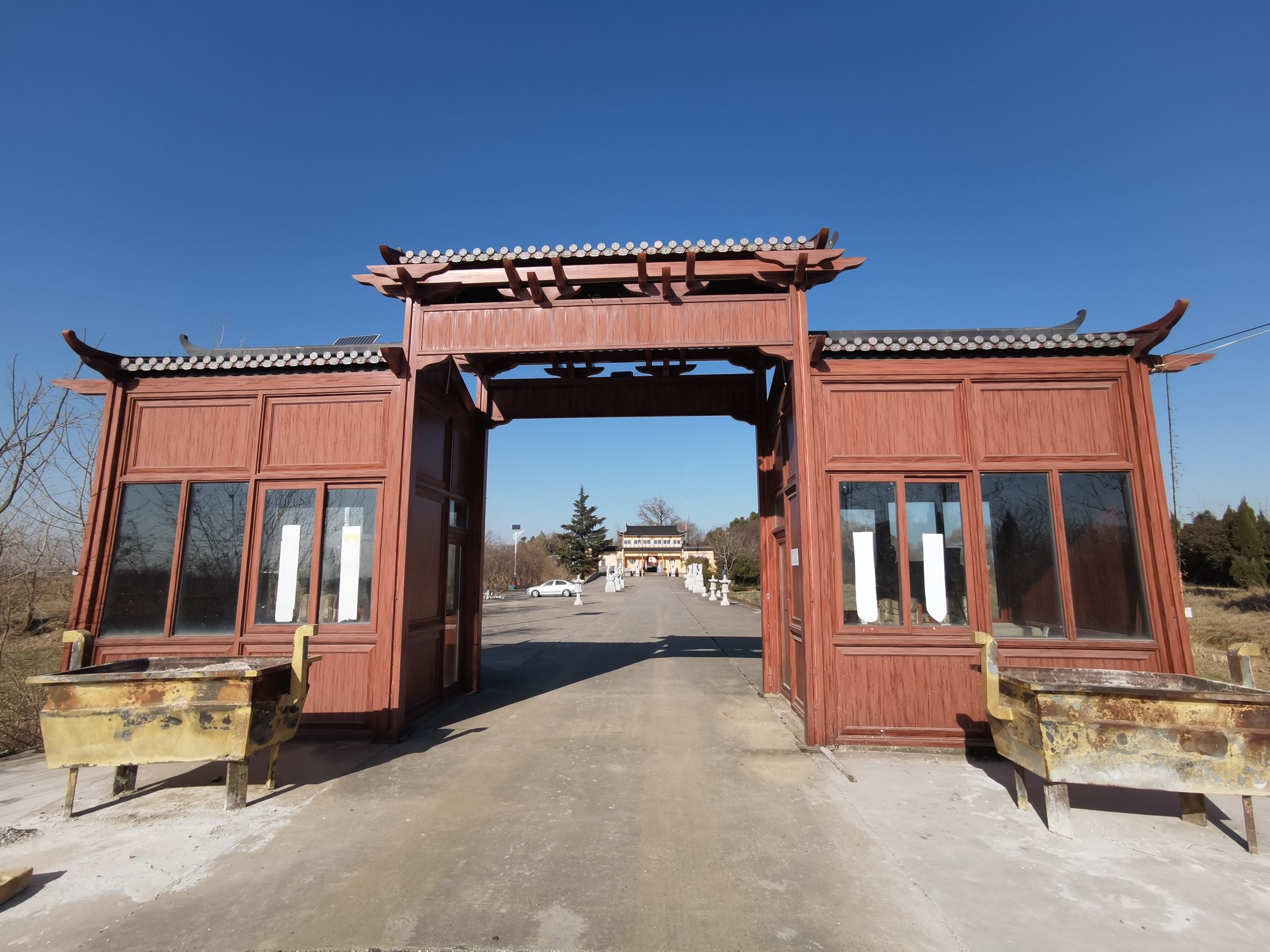
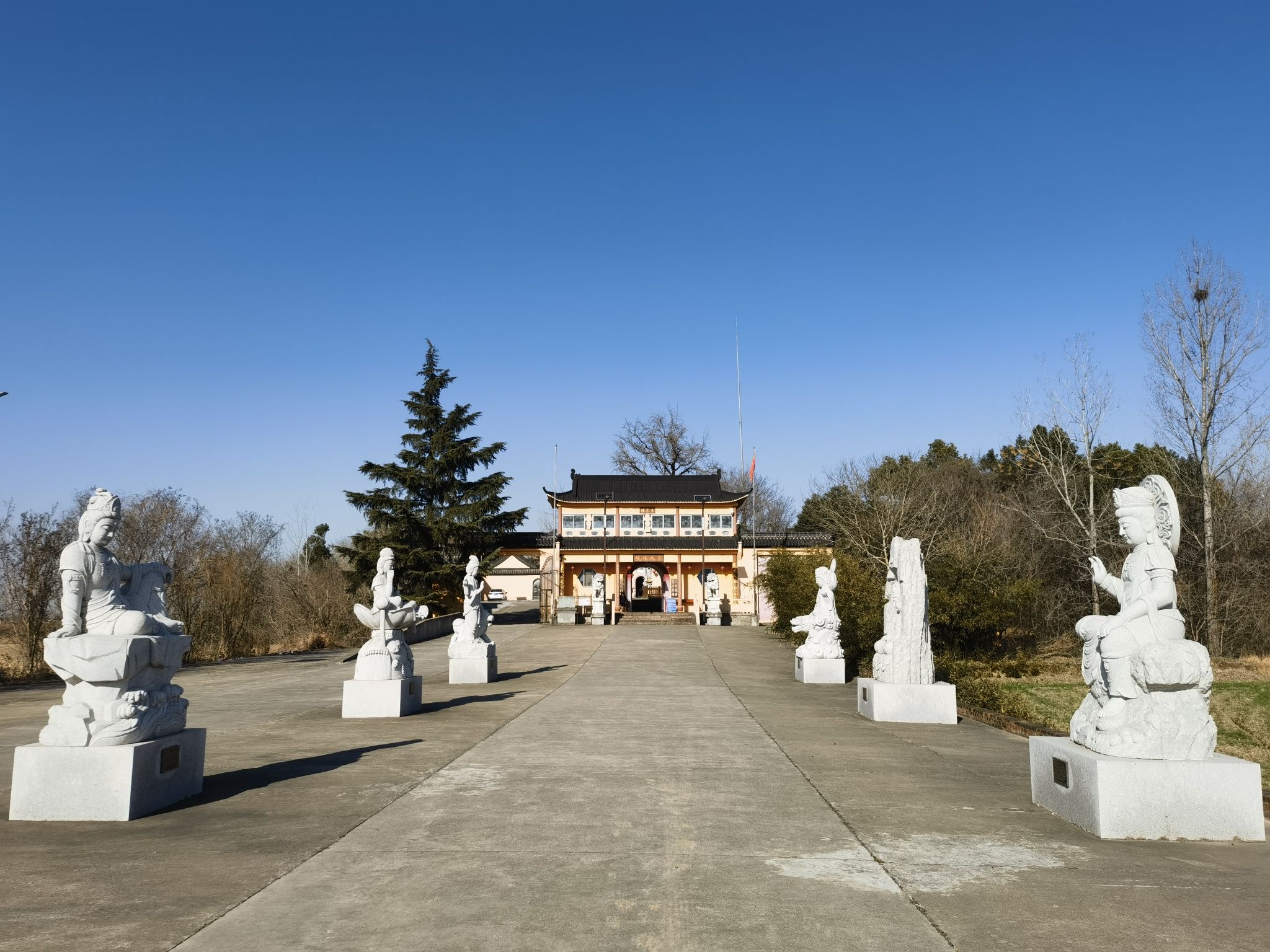
The temple faces south, built into the mountainside, covering approximately 3,000 square meters. The main structures reflect Qing Dynasty architectural style, including the Heavenly Kings Hall, the Mahavira Hall, the Guanyin Pavilion, and the Bell and Drum Towers. Inside the Mahavira Hall, three statues of the Three World Buddhas are enshrined. Before the hall stands a pair of stone columns inscribed with the couplet: “Divine sounds pass ancient melodies; Baolin illuminates today’s hearts”—the bold calligraphy penned by a scholar from the Republican era. The temple houses a Ming Dynasty bronze incense burner, a Qing Dynasty wooden Buddha niche, and three steles. One of them, a stele dated to the Daoguang period, records the temple’s restoration history in detail, holding considerable historical value.
🌿 Cultural Significance
Beyond its role as a place of religious practice, Baolin Temple serves as a vital carrier of local cultural heritage. Every year on the eighth day of the fourth lunar month, during the Buddha’s Birthday Festival, devotees gather for grand ceremonies. Traditional folk performances such as local operas and lion dances—recognized intangible cultural heritages—are staged here, creating a unique cultural landscape where religious tradition and folk customs intertwine. The temple’s spatial layout, intricate carvings, and ritual practices exemplify the fusion of southern Jiangnan and northern Anhui Buddhist cultures.
🚶 Visitor Information
- Opening Hours: Daily 7:00–18:00 (may be adjusted during major festivals or religious events)
- Admission: Free entry (donations for incense are voluntary)
- Transportation: Take a bus from downtown Hefei to Feidong County, then transfer to a rural shuttle to Renheji Town; walk about 1.5 kilometers to reach the temple
- Recommended Visit Duration: 1.5 hours
- Important Notes: Please remain quiet and refrain from taking photos inside the halls; respect religious customs and do not climb or touch historic buildings
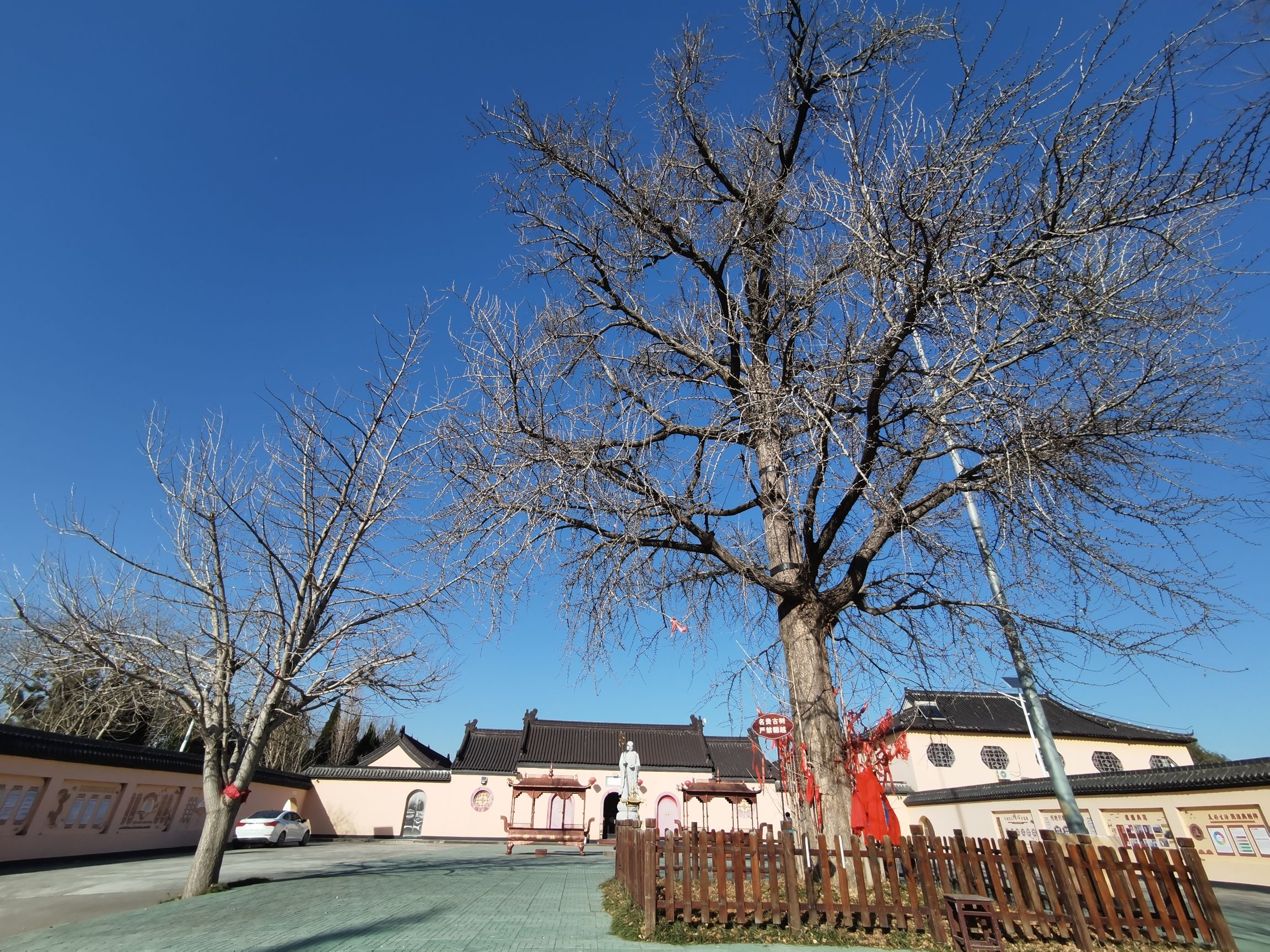
📌 Tip: Behind the temple, at the foot of the hill, stands an ancient ginkgo tree over 600 years old. In autumn, its golden leaves cascade like a waterfall—ideal for photography.