The Ruins of Tumu Fortress
Address
京银线
Description
🏯 The Ruins of Tumu Fortress
“The Tumu Incident marked the turning point of the Ming dynasty’s decline; the crumbling walls and broken stones echo with the vastness of a thousand years.”
—— A Ming frontier military stronghold that witnessed the fate of an empire
📍 Basic Information
- Official Name: Tumu Fortress Ruins
- Location: Tumu Town, Hailai County, Zhangjiakou City, Hebei Province (along G110 National Highway, approximately 120 km from Beijing)
- Cultural Heritage Status: Key National Cultural Relic Protection Unit (designated by the State Council in March 2013)
- Historical Period: Originally constructed during the early Ming Dynasty under the Hongwu reign (late 14th century), flourished under the Yongle to Zhengtong emperors, and destroyed at the transition between late Ming and early Qing
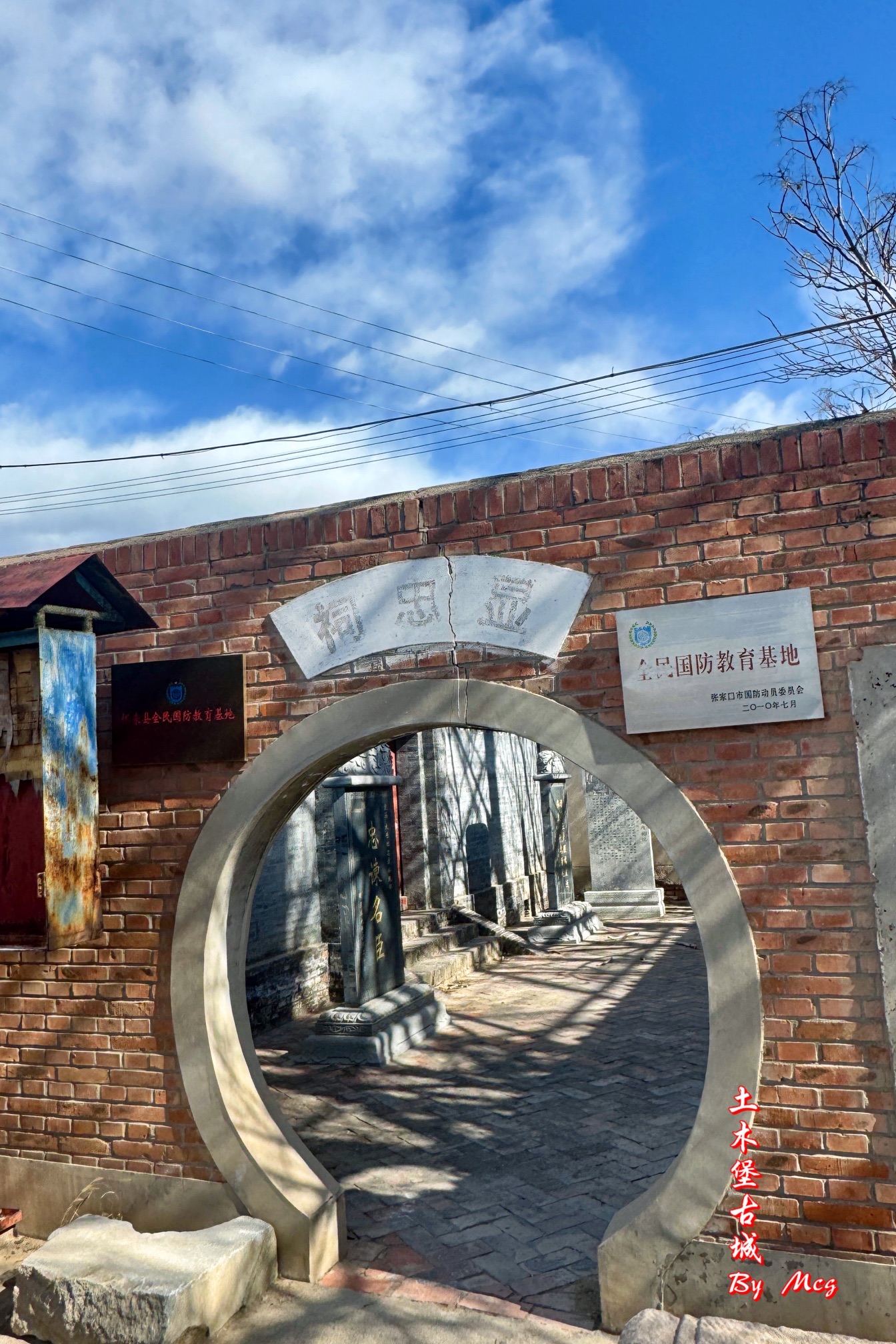
- Current Remains: Sections of rammed-earth city walls, foundation remains of the southern gate's inner enclosure, traces of moats, Ming-era stone inscriptions, and fragments of unearthed weapons
📜 Historical Significance: A Pivotal Moment in Imperial Fate
Tumu Fortress was no ordinary border outpost—it stands as a crucial geographical landmark marking the Ming dynasty’s shift from prosperity to decline:
- ✅ Strategic Position: Part of Xuanfu Garrison (one of the Nine Frontiers of the Ming Dynasty), serving as the northwestern gateway to the capital. It controlled the vital passage beyond Juyong Pass, strategically positioned at the intersection of the Yanshan mountain range and the Yanghe River valley.
- ✅ Historical Turning Point: On August 15, 1449, during the 14th year of the Zhengtong era, Emperor Yingzong Zhu Qizhen personally led a campaign against the Oirat forces but was ambushed and defeated at Tumu Fortress—
- The Ming army of 500,000 troops collapsed; dozens of high-ranking officials were killed, including Minister of War Kuang Ye and Minister of Revenue Wang Zuo;
- The emperor was captured—an event known in history as the Tumu Incident, which directly triggered the Defense of Beijing and the subsequent restructuring of central power (with Yu Qian assuming leadership and Jingtai ascending the throne).
- ✅ Subsequent Development:
- After JingTai Year 1 (1450), the fortress was gradually abandoned and its military function diminished;
- During the late Ming period, when Li Zicheng’s rebel forces passed through, most structures had already fallen into ruin;
- From the Qing Dynasty through the Republic of China era, the site became farmland and village foundations, leaving only faint outlines of rammed earth visible.
⚠️ Note: Tumu Fortress was not an independent castle but rather a military farming settlement built upon natural terraces, incorporating barracks, granaries, beacon towers, and farmland. It exemplifies the hierarchical structure of the Ming frontier defense system—“fortress–garrison–commandery.”
🏗️ Current State of Remains: The Ming Skeleton Beneath the Loess
Based on archaeological surveys and protective investigations conducted in the 2010s, the following key remains have been confirmed:
- Wall Remains:
- The southern wall is best preserved, measuring approximately 320 meters in length, with a base width of about 12 meters and remaining height ranging from 1.5 to 3.2 meters;
- Constructed using layered rammed earth, with each layer measuring 12–15 cm thick, interspersed with fragments of broken bricks and gray pottery—consistent with the construction standards outlined in the Yingzao Fashi (Ming architectural manual) for frontier fortifications.
- Foundation of Southern Gate Inner Enclosure:
- Oval-shaped plan, with a diameter of around 45 meters; clear rammed-earth platform remains, including partial traces of Ming-era blue brick paving and iron door pivot base stones.
- Unearthed Artifacts (partly housed in Hailai County Museum):
- ▪️ Fragment of a bronze hand cannon inscribed with “Left Guard of Xuanfu Garrison” (caliber 28 mm)—one of the earliest surviving examples of standardized military firearms used on the Ming frontier;
- ▪️ Bottom fragment of a “government-marked” blue-and-white porcelain bowl and shards of black-glazed jars dating to the Zhengtong era;
- ▪️ Partial stone boundary marker carved with the characters “Tumu Fortress Boundary” in regular script (erected in the 37th year of Wanli).
- Landscape and Topography:
- Located on a secondary terrace along the north bank of the Yanghe River, with the Yanshan foothills to the north and an open river valley to the south—the terrain still reflects the classic Ming military strategy of “using mountains as defense and rivers as barriers, controlling major thoroughfares.”
🌟 Cultural Value: A Multidimensional Historical Artifact
| Dimension | Core Value Explanation | |---------|------------------------| | Military History | A living fossil of Ming frontier defense engineering, providing tangible evidence of the operational logic behind the “fortress-based points, road-connected lines, garrison-networked” Great Wall defense system. | | Political History | The Tumu Incident directly catalyzed the strengthening of the Grand Secretariat system, the rise of the civil official class, and the upgrading of Beijing’s city defenses (including the expansion of the outer city). It serves as a critical geographic anchor for studying the transformation of central governance in the Ming dynasty. | | Archaeological Value | Clear stratigraphic layers reveal continuous cultural deposits from early to late Ming periods, offering a benchmark profile for understanding the evolution of northern frontier settlements. | | Memory and Legacy | Embodies the Chinese nation’s historical reflection on “preparedness in times of peace” and “cautious warfare, prioritizing people.” The spirit expressed in Yu Qian’s poem Ode to Limestone—“I fear not to be ground to dust, so long as my integrity remains”—finds spatial resonance here. |
🧭 Travel Guide: A Deep Walk Through Silence
🚗 Transportation Options
- By Car: Take G110 National Highway → Tumu Town, Hailai County → follow signs for “Tumu Fortress Ruins” and drive west for 1.2 km (dedicated parking lot available)
- Public Transit: Take the 919 Express Bus from DeShengmen in Beijing to “Shacheng Station,” then transfer to Hailai rural buses bound for Tumu Town. Get off at “Tumu Fortress Village” and walk 500 meters
🕒 Opening Hours
- Open Year-Round Free of Charge, daily from 8:00 to 17:00 (the site is an open-field landscape with no enclosed management)
- Recommended Visit Duration: 1.5–2 hours (including guided tour and observation of surrounding village culture)
- Guided Services: Twelve bilingual (Chinese-English) interpretive panels are installed onsite; free audio guide devices are available for rental at Hailai County Museum (require valid ID as deposit)
📸 Etiquette Reminders
- ❗ The ruins consist of fragile rammed earth—climbing, carving, or removing soil is strictly prohibited;
- ❗ Drone photography is forbidden (this area falls within a historically sensitive military control zone);
- ❗ Traditional courtyard houses in the village have been continuously inhabited since the Ming and Qing dynasties; please respect local customs and refrain from entering private courtyards without permission for photography.
🍃 Nearby Suggested Attractions
- Hailai County Museum (15 km from the site): Features a permanent exhibition on the Tumu Incident, showcasing unearthed firearms, Ming-era maps, and a reconstructed battlefield model;
- Ji Mingyi Ancient Post Station (28 km from the site): The largest and best-preserved Ming-era relay station in China, part of the same defensive network as Tumu Fortress;
- Guan Ting Reservoir Wetland Park (10 km from the site): A modern ecological continuation of the historical “Yanghe Terraced Farming” landscape from the Ming period.
🌄 Closing Reflection:
Tumu Fortress lacks grand towers and soaring pavilions—only loess lies quietly, like an open scroll of history;
It speaks neither of victory nor defeat, yet measures the distance between courage and vigilance through its broken walls;
Those who come here should bend low to examine a handful of rammed earth—
Therein lies the stardust of the Ming Dynasty:
Time-stilled admonitions, unfired arrows, and the eternal moment when a nation recalibrated its compass at the edge of peril.