Fahuasi Temple
Address
康庄道39号
Description
Fahuasi Temple 🏯
📍 Address: No. 39 Kangzhuang Road
🕰️ Founded: Tang Dynasty (756 CE)
🏛️ Type: Buddhist Temple · Historical Cultural Heritage Site
Historical Evolution ✨
Fahuasi Temple was originally established during the reign of Emperor Suzong of the Tang Dynasty, initially named "Fahua Jing She," one of the prominent centers for Buddhist scholarship in the capital region at the time. According to the Great Qing Comprehensive Gazetteer, the temple’s name derives from the Prajñāpāramitā Sūtra: The Lotus Sutra, symbolizing “the true nature of all phenomena, perfectly harmonious and without obstruction.” The temple underwent multiple renovations through the Five Dynasties, Song, Yuan, Ming, and Qing periods, with a major expansion during the Chenghua era of the Ming Dynasty, establishing its symmetrical axial layout. It fell into disrepair during the late Qing Dynasty due to warfare. In the 1980s, it was restored with government funding and is now a nationally designated key cultural relic protection unit.
Architectural Layout and Style 🏰
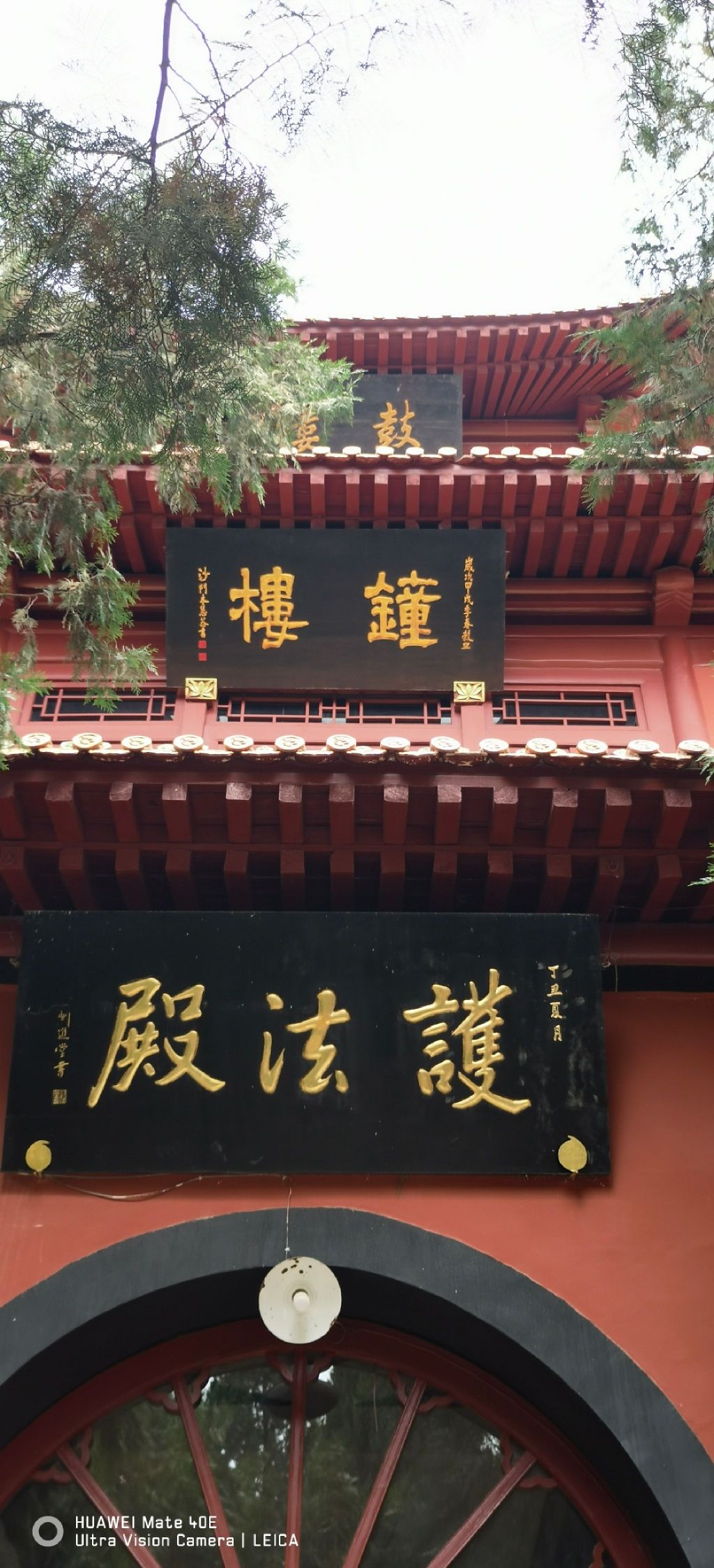
The temple faces south, built along the slope of a hill, covering approximately 4,200 square meters. Key surviving structures include:
- Mountain Gate Hall: Three bays wide, with a hip roof covered in glazed tiles, flanked by stone lions at the entrance, exuding ancient elegance.
- Hall of the Four Heavenly Kings: Houses statues of the Four Heavenly Kings; well-preserved murals represent fine examples of Qing Dynasty colored paintings.
- Mahavira Hall: The spiritual heart of the temple, featuring a single-eaved gable-and-hip roof with typical Ming Dynasty official architectural framing. The front stone steps are carved with intricate dragon-and-phoenix motifs.
- Sutra Repository Tower: A two-story wooden pavilion originally housing part of the handwritten copies of the Chinese Great Buddhist Canon; now converted into a Buddhist literature exhibition hall.
Cultural Relics and Significance 📜
- The courtyard houses a Tang Dynasty stone stupa inscribed with the opening section of the Lotus Sutra. Its bold calligraphy provides crucial physical evidence for studying the spread of Buddhism in the Tang period.
- A Ming Dynasty stele titled "Record of the Restoration of Fahuasi Temple" is embedded in the rear wall of the Mahavira Hall, documenting the history of various renovations and holding significant historical value.
- The temple houses 12 bronze Buddhist statues from the Ming and Qing dynasties and one ancient bell, including the "Wanli Bronze Bell" whose inscriptions remain clear and whose chime produces a deep, resonant tone.
Visitor Information 🗺️
- Opening Hours: 8:00–17:30 (closed on Mondays, except public holidays)
- Admission: Free (requires real-name registration)
- Transportation: Exit B of Kangzhuang Station on Metro Line 3, walk about 5 minutes; Bus lines 301 and 506 stop at "Fahuasi Station"
- Recommended Visit Duration: 1.5 hours
- Special Notes: Loud talking is prohibited inside the temple. Visitors are kindly requested to wear modest-colored clothing and observe religious etiquette.
🌿 Fahuasi Temple is not only a witness to a thousand years of Buddhist tradition but also a cultural landmark embodying the spiritual essence of China. Ascend this ancient sanctuary, where every brick and tile echoes the enduring resonance of civilization.