Zhengtan Temple
Address
河北省张家口市涿鹿县
Description
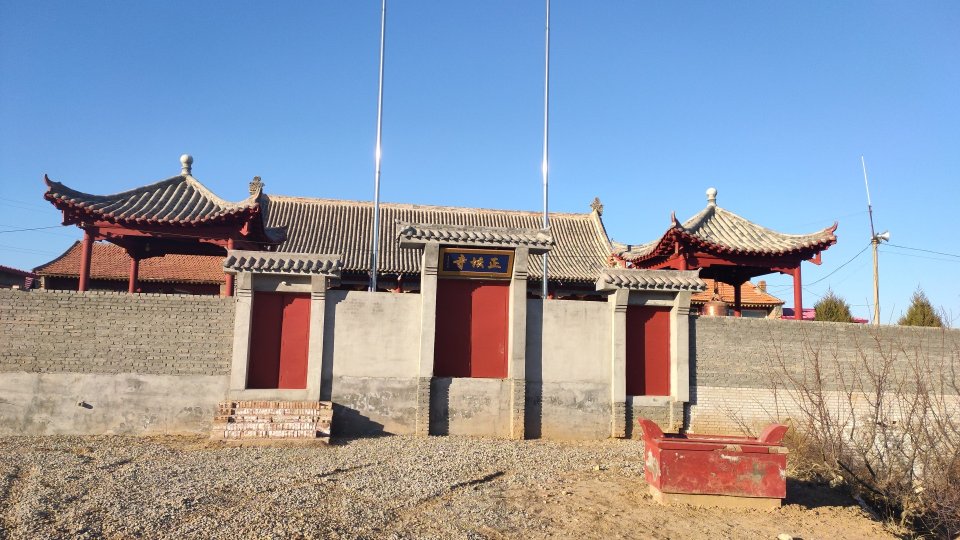
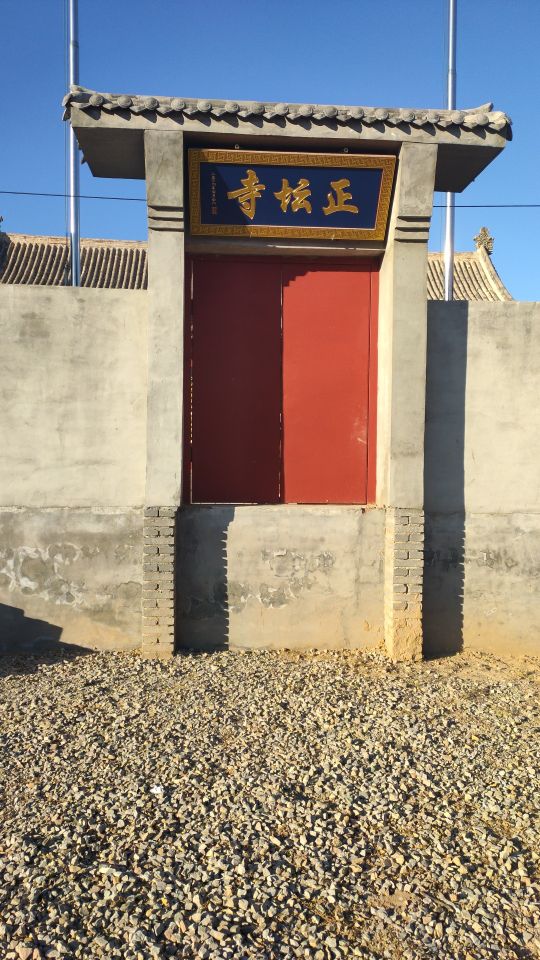
Zhengtan Temple 🏯
Address: Zhuolu County, Zhangjiakou City, Hebei Province
📜 Historical Origins
Zhengtan Temple was originally established during the Northern Wei Dynasty (386–534 AD), making it one of the few surviving early Buddhist temples in northern China, with a history spanning over 1,500 years. According to the Zhuolu County Chronicles, the temple was initially named "Zhen Tan Si," but due to the similar pronunciation of "Zhen" and "Zheng," the name gradually evolved into "Zhengtan Temple." Located on the eastern side of the Yellow Emperor’s City Ruins, adjacent to the mausoleum of the legendary cultural ancestor Huangdi, the site has long been regarded as a vital religious and cultural node symbolizing the ancestral roots of the Chinese nation.
🏰 Architectural Layout and Style
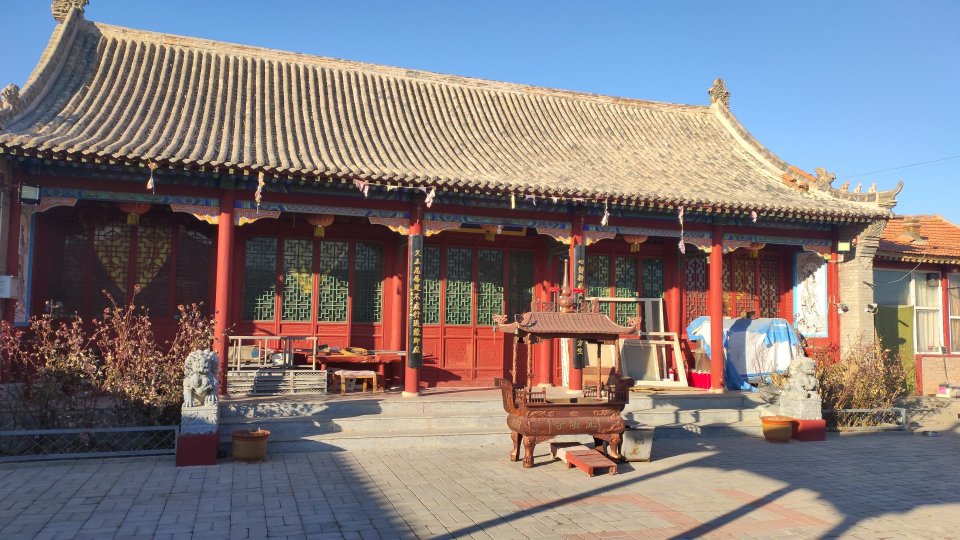
The temple faces south and is built into the mountainside, following a traditional “three-hall” courtyard layout. The central axis features the mountain gate, the Hall of the Four Heavenly Kings, the Great Buddha Hall, and the Sutra Repository. The main structures are primarily constructed using Ming Dynasty brick-and-wood techniques, with visible traces of Qing Dynasty renovations. The Great Buddha Hall spans three bays, with a hip roof covered in glazed tiles, prominent bracket arms, and colorful paintings beneath the eaves that still reflect the artistic style of the Ming and Qing dynasties. Ancient cypress trees tower throughout the grounds, among which a thousand-year-old ginkgo tree stands out—its golden leaves in autumn cascading like a waterfall, earning it the title of “the First Tree of the Hometown of the Yellow Emperor.”
🏺 Treasures and Cultural Relics
- Tang Dynasty Stone Buddha Head: Discovered at the temple’s front terrace, standing about 45 centimeters tall, this dignified sculpture embodies the grandeur of the prosperous Tang era; now housed in the Zhuolu County Museum.
- Ming Dynasty Bronze Statue of Guanyin with a Thousand Hands: Standing 2.1 meters tall with 42 arms, each holding a different ritual implement, this masterpiece showcases exquisite craftsmanship and is designated a provincial-level cultural heritage site.
- Qing Dynasty Inscription on the Rebuilding of Zhengtan Temple: This stele records the temple’s various restoration projects in detail, serving as a crucial historical document for studying folk Buddhism in northern China.
🌿 Cultural Significance
Beyond its role as an important relic of Buddhist transmission, Zhengtan Temple embodies the enduring spiritual legacy of the “Ancestor of Human Culture.” Together with the Yellow Emperor’s City and the Mausoleum of Chiyou, it forms the core spatial framework of the “Three Ancestors Culture,” offering tangible evidence for research into the origins of Chinese civilization. In 2013, it was listed as a National Key Cultural Heritage Site.
🗺️ Tourism Information
- Opening Hours: 8:00–17:30 (open year-round)
- Admission: Free (registration required upon entry)
- Transportation: Take a high-speed train to Zhangjiakou Station, transfer to local bus to Zhuolu County, then take a taxi or shuttle bus to the temple (approximately 25 km away)
- Recommended Visit Duration: 1.5 hours
📍 Note: Please observe respectful behavior at this religious site—no loud talking, and avoid flash photography. Traditional Buddhist ceremonies are often held during festivals, offering visitors the chance to experience intangible cultural heritage chanting rituals.