Fuguang Garden
Address
河北省廊坊市永清县
Description
Fuguang Garden 🏯
📍 Address: Yongqing County, Langfang City, Hebei Province
🕰️ Historical Development:
Fuguang Garden was originally established during the Northern Wei Dynasty (4th century CE) as a Chan Buddhist temple. It flourished through the Sui and Tang dynasties, declined during the Song and Yuan periods, and underwent restoration in the Ming and Qing dynasties. Today, it stands as one of the better-preserved ancient Buddhist sites in northern China. According to the Yongqing County Chronicles, the name "Fuguang" derives from a legendary phenomenon known as "Buddha’s Radiant Light," where, on clear mornings, a golden aura was said to appear above the Buddha’s head—an event that inspired the site’s name.
🏛️ Architecture and Layout:
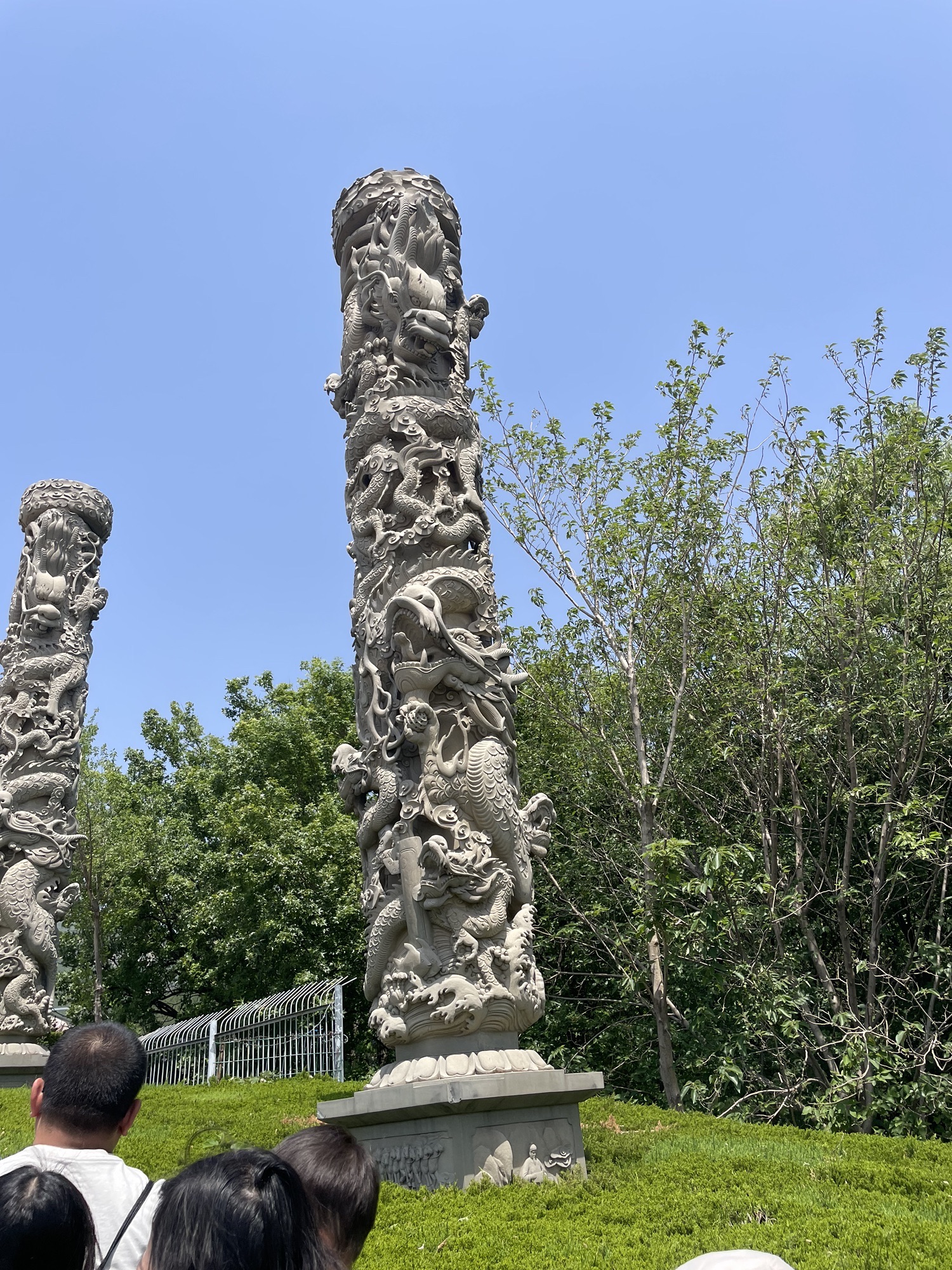
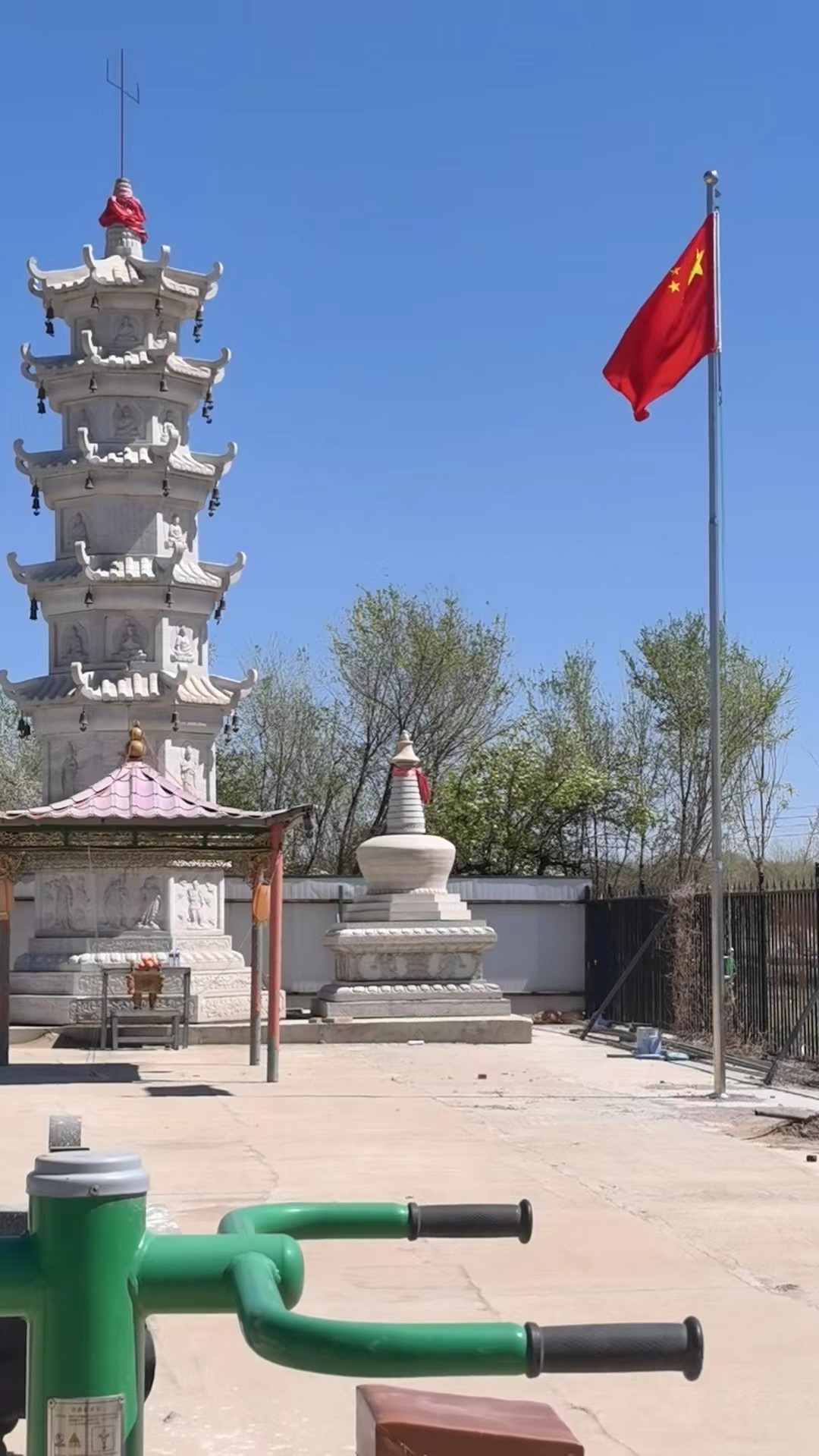
The current site is a reconstructed classical-style Buddhist cultural park built in 2010, nestled against hills and beside water, featuring a symmetrical central axis that blends the grandeur of northern palace architecture with the serene elegance of southern Chinese gardens. Key structures include:
- Hall of the Four Heavenly Kings: Majestic and imposing, housing statues of the Four Guardian Kings, with murals depicting protective deities in action
- Mahavira Hall: Featuring a double-eaved hip-and-gable roof, enshrining the Three World Buddhas (Past, Present, and Future), flanked by colorful sculptures of the Eighteen Arhats
- Sutra Pavilion: Modeled after Ming Dynasty pavilions, housing a facsimile edition of the Taishō Shinshū Daizōkyō and local Buddhist manuscripts
- Bell and Drum Towers: Standing opposite each other, they continue the ancient tradition of morning bells and evening drums, marking ritual times for worship
🎨 Cultural Relics and Artistic Treasures:
- A forest of stone steles stands before the halls; among them, the Ming Dynasty stele titled Record of the Restoration of Fuguang Chan Temple is designated as a county-level protected cultural relic
- The inner walls of the Mahavira Hall feature well-preserved Qing Dynasty Buddhist-themed murals, including scenes such as the Story of the Five Hundred Robbers Attaining Buddhahood and The Jataka Tales of Shakyamuni Buddha
- A centuries-old ginkgo tree grows within the courtyard, believed to have been planted during the Tang Dynasty over 1,200 years ago. In autumn, its golden leaves shimmer like a sea, earning it the poetic title “Buddha’s Light at Dusk”
💎 Cultural Significance:
Fuguang Garden serves as a vital physical testament for studying the spread of Chan Buddhism in northern China, the evolution of Buddhist architecture, and folk religious practices. It is also a prominent destination for religious culture and educational tourism in the Beijing-Tianjin-Hebei region.
🎫 Visitor Information:
- Opening Hours: 8:00–17:30 (open year-round)
- Admission: Free (special exhibitions require prior reservation)
- Transportation: Approximately 60 kilometers from Beijing Daxing International Airport; accessible by bus or private car to Yongqing County, then transfer to local shuttle services
- Recommended Visit Duration: 1.5 to 2 hours
✨ Visitor Tips: Please observe religious etiquette—dress modestly, remain quiet, and refrain from loud conversations or photography in sacred areas.